Swedish Candy Profit Margins: What Retailers Actually Make
See the real candy profit margin math on Swedish candy: case cost to shelf price, pick-and-mix per-pound economics, and why buying import-direct pays.
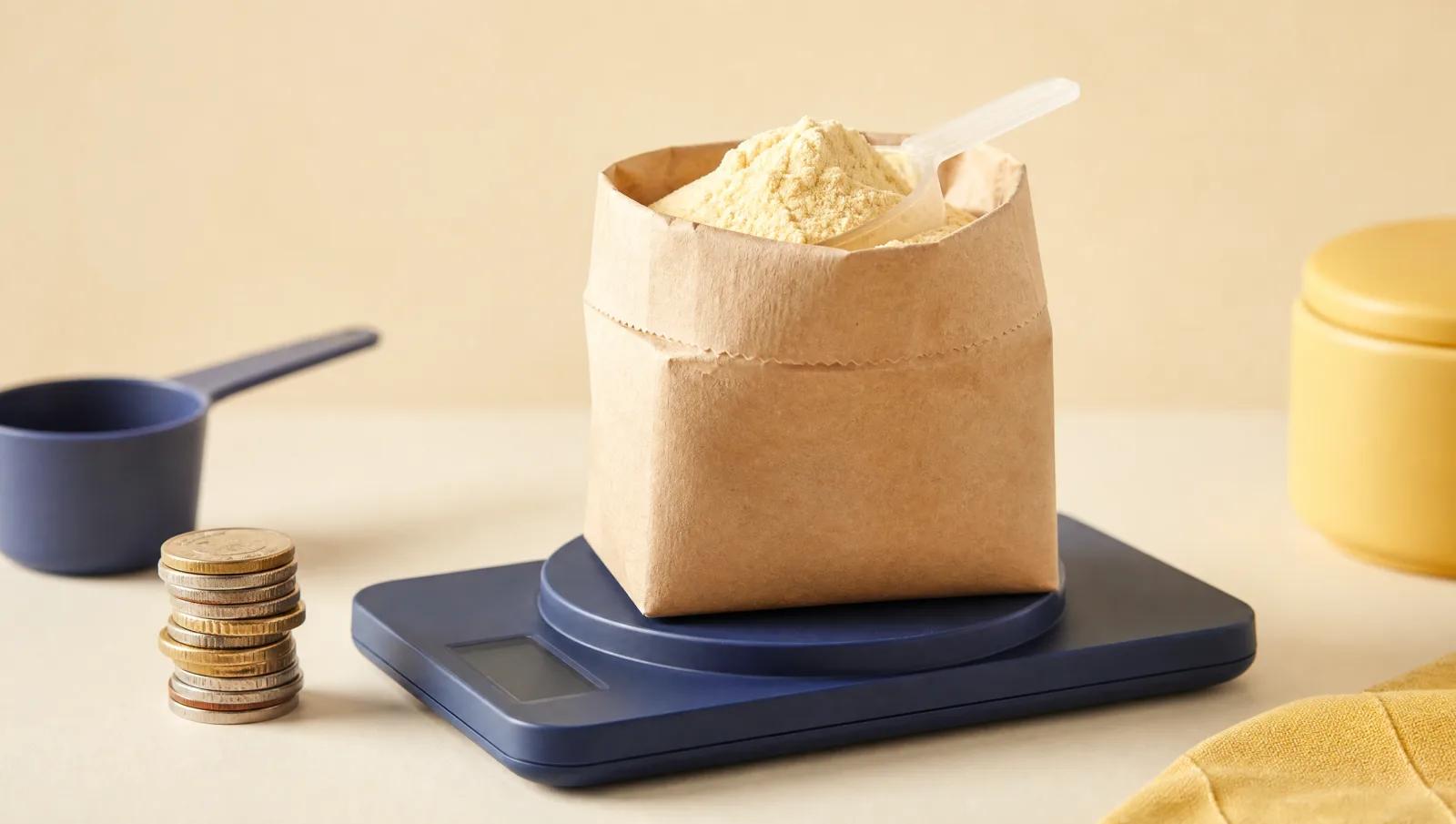
Most retailers run roughly a 70 percent gross margin on Swedish candy. A case that lands at a low single-dollar cost per unit typically resells for $4 to $6, which is better than a standard 3x markup. Pick-and-mix sold by weight can earn even more per pound. Buying import-direct lowers your landed cost and widens that margin.
We founded TheSweetsTruck after running candy shops in Sweden for years, so we look at margin from the buyer's side of the counter. Here is how the numbers actually work when you stock Swedish candy for resale.
How candy margin actually works
Gross margin is the share of the retail price you keep after the cost of the goods. If a bag costs you $1.50 landed and you sell it for $5, your gross margin is 70 percent (the $3.50 you keep divided by the $5 sale). Retailers often talk in "markup" instead, which is the multiple on cost. A 3x markup on that same $1.50 bag is a $4.50 shelf price and a 67 percent margin. Swedish candy comfortably clears both because it reads as a premium import, not a commodity gummy.
Two things set the ceiling on your margin: what the product lands at (your cost), and what the shelf will bear (your price). Because we import direct and ship DDP with duties paid, your landed cost starts lower than it would through a domestic middleman, which is the whole reason import-direct widens the gap. More on that below.
The per-unit math on a case (worked example)
Treat these as illustrative numbers, not our list prices, so you can run the same math on any SKU in the catalog.
Say a case of a fast-moving sour SKU holds a set number of retail bags and lands in the low single dollars per bag once you divide the case price by the bag count. Price each bag at $4 to $6 and you are sitting at roughly a 65 to 75 percent margin per bag. The exact figure moves with your rent, labor, and shrink, but the shape holds across the range.
The category anchors this well. Bubs Lemon/Raspberry Skulls from BUBS are a vegan, gelatin-free foam-and-gum skull that moves fast at the register. The big embossed sour discs from S-Marke, like Sour Strawberry, are a vegan, halal classic that customers recognize on sight. Matthijs Swedish Skulls from Matthijs are gluten-free, halal, vegan, and vegetarian, which lets one SKU serve several shopper needs. And gelatin SKUs like Sour Watermelon Bombs fill out a bright, high-turn sour wall.
High-margin sour anchors
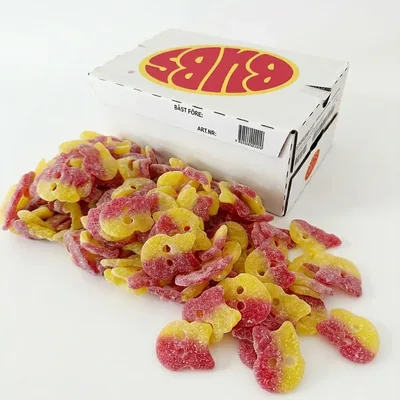
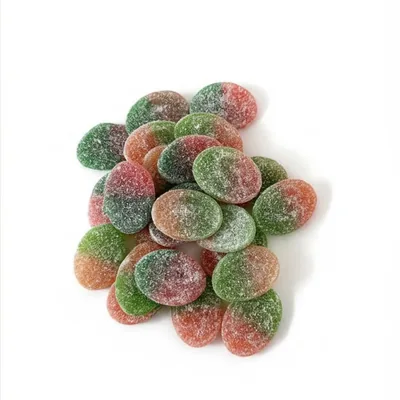

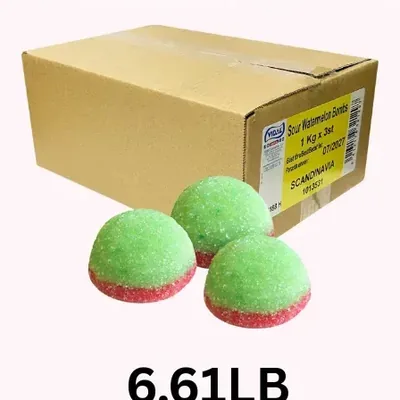
The takeaway: you do not need many SKUs to build a profitable set. A tight wall of proven sour and foam candy at a 70 percent margin beats a sprawling shelf of slow movers. For the full assortment logic, see how to stock Swedish candy.
Pick-and-mix: margin by the pound
Weigh-and-pay changes the math in your favor. Instead of pricing per bag, you buy bulk cases, portion them into bins, and sell by weight. Because the customer builds their own bag, your effective margin often runs higher than pre-packed, and slow-selling scoops get blended in rather than sitting as dead stock.
The economics are simple. Take your landed cost per pound (the case price divided by its weight), then set a per-pound retail price that lands you above your target margin once you account for the candy that gets eaten, spilled, or over-scooped. Bright, self-serve-friendly SKUs like the big S-Marke sour discs and Matthijs skulls suit bins because they hold their shape and photograph well on a wall. We walk through the full setup in how to run a profitable pick-and-mix, and the consumer-facing tradition behind it in smagodis pick-and-mix walls.
Pick-and-mix also lifts basket size. A customer filling a bag by weight rarely stops at one scoop, so your dollars-per-transaction climb even at the same margin percentage.
Why import-direct widens your margin
Every hand a case passes through takes a cut. When you buy from a domestic distributor who bought from an importer who bought from the brand, that markup is already baked into your cost before you set a shelf price. We remove those layers:
- We import direct. We land the product ourselves from Sweden and Europe, so case prices come in under most US distributors.
- Duties and labels are handled. We ship DDP with US labels and duties already paid from our Santa Fe Springs, California warehouse, so there is nothing for you to clear and no surprise fees eating your margin.
- Public Tier 1 pricing, with room to grow. Everyone sees list pricing on the catalog. Approved accounts unlock Tier 2/3 (volume and strategic) pricing plus NET payment terms for selected partners, based on order history, which lowers your cost per unit as you scale.
- Mix and match by the case. there is no order minimum at all, so you can test SKUs without overcommitting to any one.
Lower landed cost is the single biggest lever on candy margin, and it is the one most retailers leave on the table by buying a step removed from the source. If you are weighing suppliers, candy distributor vs importer breaks down the difference.
For the complete buying picture, start with our pillar guide, wholesale Swedish candy: the complete buyer's guide, then price your own set with how to price imported Swedish candy.
Ready to build a high-margin candy set? Apply for a wholesale account or start a bulk order. Want help picking your first assortment? Get in touch.
Frequently asked questions
What profit margin can I expect on Swedish candy?+
Most retailers run around a 70 percent gross margin. A case landing at a low single-dollar cost per unit commonly resells at $4 to $6, which beats a standard 3x markup. Pick-and-mix by weight can push effective margins higher.
How do I calculate my landed cost per unit?+
Divide the case price by the number of retail units (or the case weight for pick-and-mix). Because we ship DDP with duties and US labels already paid, there are no extra customs or clearance fees to add on top.
Does pick-and-mix really make more money than pre-packed bags?+
Often, yes. Selling by weight lets you blend slower SKUs in, raises basket size because customers rarely stop at one scoop, and lets you set a per-pound price above your target margin after accounting for shrink.
Why is buying import-direct better for my margin?+
Every distributor layer adds a markup to your cost before you set a price. We import direct and ship from California, so case prices come in under most US distributors, which lowers your landed cost and widens your margin.
Do I need a lot of SKUs to hit these margins?+
No. A tight wall of proven sour and foam candy usually outperforms a sprawling shelf of slow movers. Start narrow with best-sellers, then expand into the winners.
Keep reading

Gustav Lindqvist · Candy Master
Gustav grew up in Sweden on a strict Saturday-candy schedule, mixing his lördagsgodis bag at the lösgodis wall before he could spell salmiak. He has spent years tasting his way across Scandinavian candy, and now curates the range at TheSweetsTruck, from BUBS sour skulls to the saltiest licorice most people cannot finish.
Last updated 8/4/2026