Bulk Swedish Candy in Canada: Container Freight, GST/HST and Labels
How Canadian retailers buy bulk Swedish candy by the container: the $4,000 USD minimum, freight and duties quoted by email, the GST/HST you charge on resale, and a CFIA labelling checklist for bins and in-store bags.
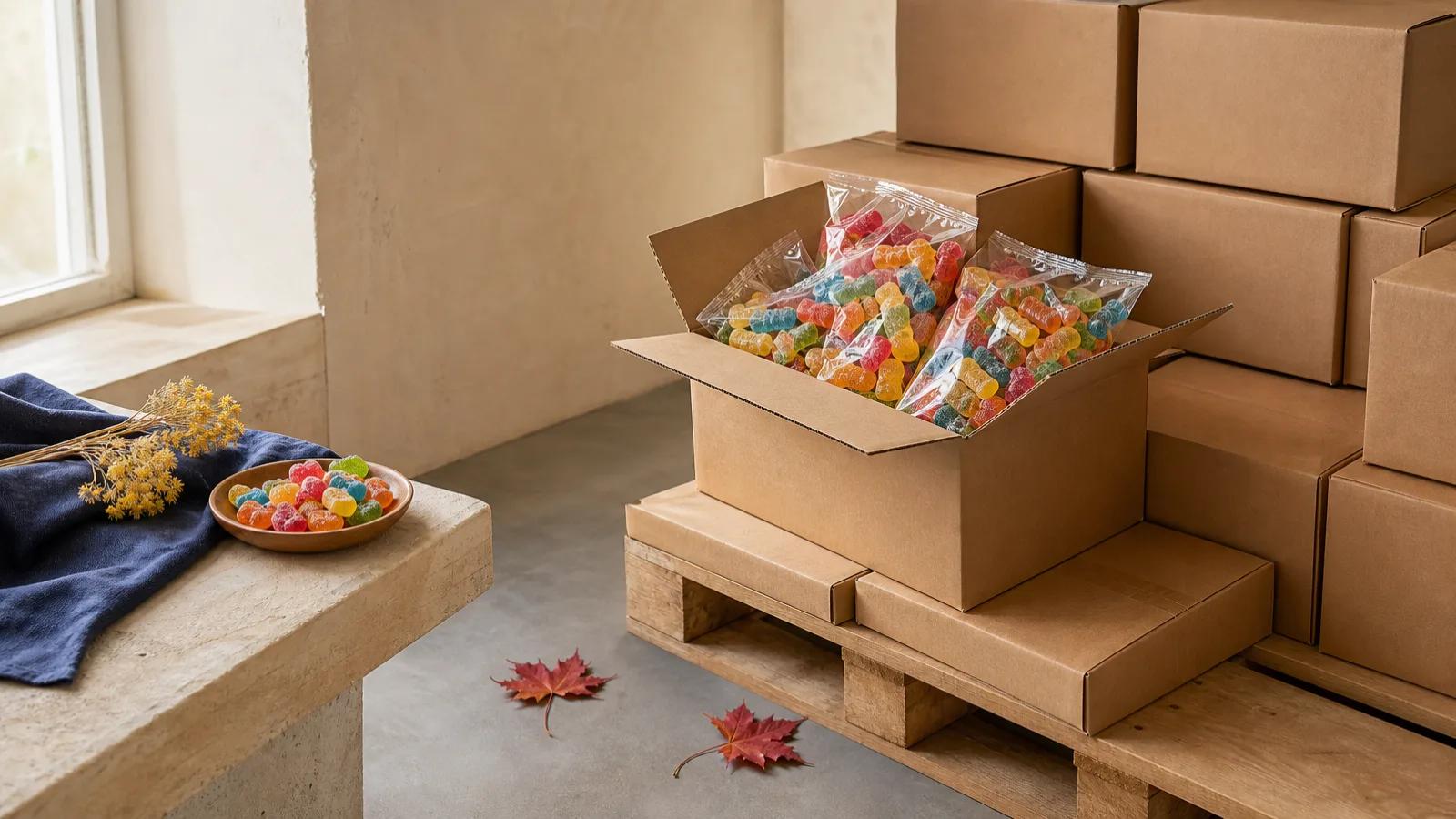
Canadian shops can buy bulk Swedish candy by the container from our California warehouse. Container orders start at $4,000 USD, with freight and duties quoted by email; we no longer send UPS parcel or LTL shipments to Canada. This guide covers the GST/HST you charge on resale and the CFIA labelling rules for bins and in-store bags.
This guide covers how Canadian container orders work, the GST/HST that applies when you resell candy, and a CFIA labelling checklist for bins and in-store bags. For the border side, see importing Swedish candy to Canada.
How do container orders to Canada work?
We no longer ship UPS parcel or LTL orders to Canada. Since October 2026, Canada is container freight only: the minimum order is $4,000 USD, and freight and duties are quoted with you by email. There is no parcel rate at checkout.
For a shop, that changes three things:
- Plan in volume. A container order starts at $4,000 USD, so build the mix around a season or a full wall rather than a single test case.
- Budget in US dollars. Goods go through one USD checkout; freight and duties are quoted separately by email, so check the conversion your card or bank applies.
- Reorders are planned, not same-week. Transit depends on the sailing and destination and is confirmed in your quote, so time the order to the container schedule rather than to a bin running low.
Do you charge GST/HST when you resell candy?
Yes, if you are registered. Candy is not a zero-rated basic grocery: CRA's GST/HST Memorandum 4.3, Basic Groceries lists "candies, confectionery that may be classed as candy" among the foods excluded from zero-rating, so registered sellers charge GST or HST on them. As of September 2026, the CRA rate table shows:
- HST at 15 percent: New Brunswick, Newfoundland and Labrador, and Prince Edward Island.
- HST at 14 percent: Nova Scotia, since April 1, 2025.
- HST at 13 percent: Ontario.
- GST at 5 percent: Alberta, British Columbia, Manitoba, Quebec, Saskatchewan and the three territories.
Two more points for your planning:
- Registration: once your taxable sales pass $30,000 in a single calendar quarter or over four consecutive calendar quarters, you must register (CRA).
- Provincial sales taxes are separate from GST/HST and follow each province's own rules (CRA). Keep every invoice, and ask your accountant how to treat the taxes paid at checkout. This is general information, not tax advice.
What CFIA labelling rules apply to bulk candy?
This is a retailer's checklist based on CFIA guidance, not legal advice. Confirm anything you are unsure of with the CFIA.
- Self-serve bins. CFIA says most foods that are clerk served or packaged by the consumer are not required to carry a label (CFIA retail foods). A bin card with the product name and ingredients still helps shoppers with allergies.
- Bags you fill in store. CFIA treats these as prepackaged products. They need a common name, a net quantity and a dealer name and address, which CFIA calls mandatory on all prepackaged products (CFIA retail foods). A durable life date applies only when shelf life is 90 days or less, and net quantity may be shown in Canadian units rather than only metric (CFIA net quantity).
- English and French. Mandatory information on consumer prepackaged food must appear in both official languages unless an exemption, such as the local food exemption, applies (CFIA bilingual labelling).
- Ingredients and allergens on those bags. Candies packed on retail premises from bulk are exempt from an ingredient list, and allergens, gluten and added sulphites then need not be declared unless an ingredient list is shown voluntarily (CFIA ingredients and allergens). If you show an ingredient list voluntarily, allergens, gluten and added sulphites must then be declared in it.
- Nutrition labelling. A bag sold only in the store that packs it, labelled with a sticker and with a display surface under 200 cm² (about 31 sq in), is exempt from the Nutrition Facts table (CFIA exemptions). Since January 1, 2026, prepackaged foods at or above the thresholds for sugars, saturated fat or sodium must carry the front-of-package nutrition symbol unless exempt (CFIA).
- Sealed packs you resell. The manufacturer or importer must label them before retail sale, and CFIA says the retailer is also liable if unlabelled goods are sold (CFIA retail foods). Individually wrapped one-bite candies sold singly are exempt from labelling, but a bag of them needs the full label (CFIA confectionery).
- Bulk cases. Shipping containers sent to a business and not resold to consumers are generally exempt from bilingual labelling (CFIA bilingual labelling). Keep each case's ingredient information on file at the counter.
Which cases anchor a container order?
These four are proven movers and give a container a balanced Swedish set. Pack sizes are the listings':
- BUBS Wild Strawberry Pomegranate: a 6.17 lb (2.8 kg) case.
- Matthijs Danish Skulls: a 4.41 lb (2 kg) bag, also sold as a case of six (26.46 lb).
- S-Märke Watermelon: an 8.81 lb (4 kg) case.
- Hallonshots: a 7.72 lb (3.5 kg) case.
Tier 1 case prices are public on each product page. Freight and duties are quoted with the container by email, not calculated at checkout.
Cases for a first Swedish wall in Canada
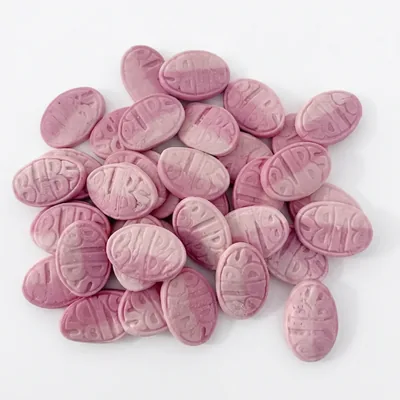
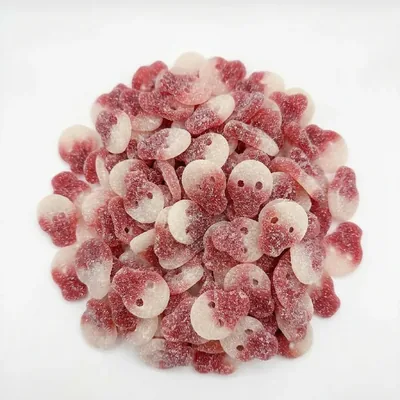
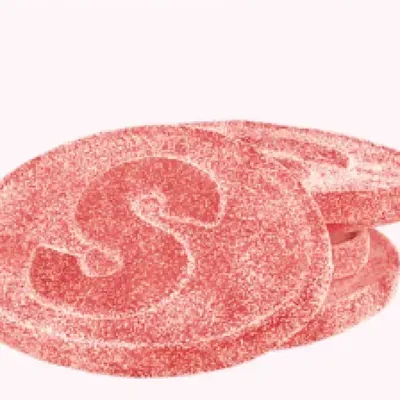

How does ordering work from Canada?
- One checkout: a single USD checkout serves shops in Canada and the US. Choose the container freight option at delivery.
- Delivery: container freight only, $4,000 USD minimum, with freight and duties quoted by email. No UPS parcel or LTL service to Canada.
- Ordering: by the case, mix and match, and build to the $4,000 USD minimum. Tier 1 case prices are public, a wholesale account is needed to order, and applications approve automatically.
- Payment: card at checkout, or Earned Credit. An approved account's credit line equals its largest paid, delivered order, up to an account limit, spendable at checkout on NET-14 terms, with a card covering any difference.
For how case buying works in general, see case sizes and wholesale terms, and for the full picture, the wholesale Swedish candy guide.
Ready to plan a Canadian container? Apply for a wholesale account, or browse the store to see the full range.
Frequently asked questions
Can I buy wholesale candy in Canada without a customs broker?+
A container is a commercial import, so clearance is part of the process. We quote freight and duties with the container by email, and the quote sets out who clears the goods and what is included. We no longer ship UPS parcel or LTL orders to Canada.
Is candy taxable in Canada?+
Yes. Candy and confectionery are excluded from zero-rated basic groceries, so registered sellers charge GST or HST on them. As of September 2026 that means 5 percent GST, or HST at 13 percent in Ontario, 14 percent in Nova Scotia and 15 percent in New Brunswick, Newfoundland and Labrador and Prince Edward Island. Provincial sales taxes follow their own rules.
Do bulk candy bins need labels in Canada?+
Generally not on the candy itself, because CFIA says most foods packaged by the consumer are not required to carry a label. Bags you fill in store are different: they need a common name, a net quantity and a dealer name and address, in English and French unless an exemption applies. This is a general checklist, not legal advice.
How long does bulk candy take to reach Canada?+
Container transit depends on the sailing and destination and is confirmed in your quote. We no longer ship UPS parcel or LTL orders to Canada; the minimum is $4,000 USD.
How much do Canadian shops need to order?+
Container orders start at $4,000 USD. Order by the case and mix and match across brands to build the container. Tier 1 case prices are public on every product page, and wholesale applications approve automatically.
Can Canadian retailers get payment terms?+
Yes, through Earned Credit. An approved account's credit line equals its largest paid, delivered order, up to an account limit, and it can be spent at checkout on NET-14 terms, with a card covering any difference. Otherwise you pay by card at checkout, in US dollars.
Keep reading

Gustav Lindqvist · Candy Master
Gustav grew up in Sweden on a strict Saturday-candy schedule, mixing his lördagsgodis bag at the lösgodis wall before he could spell salmiak. He has spent years tasting his way across Scandinavian candy, and now curates the range at TheSweetsTruck, from BUBS sour skulls to the saltiest licorice most people cannot finish.
Last updated 10/8/2026