Candy Category Management for Small Retailers
Candy category management for small shops: how many SKUs to start, reorder cadence, and using sales data to prune and grow your candy assortment.
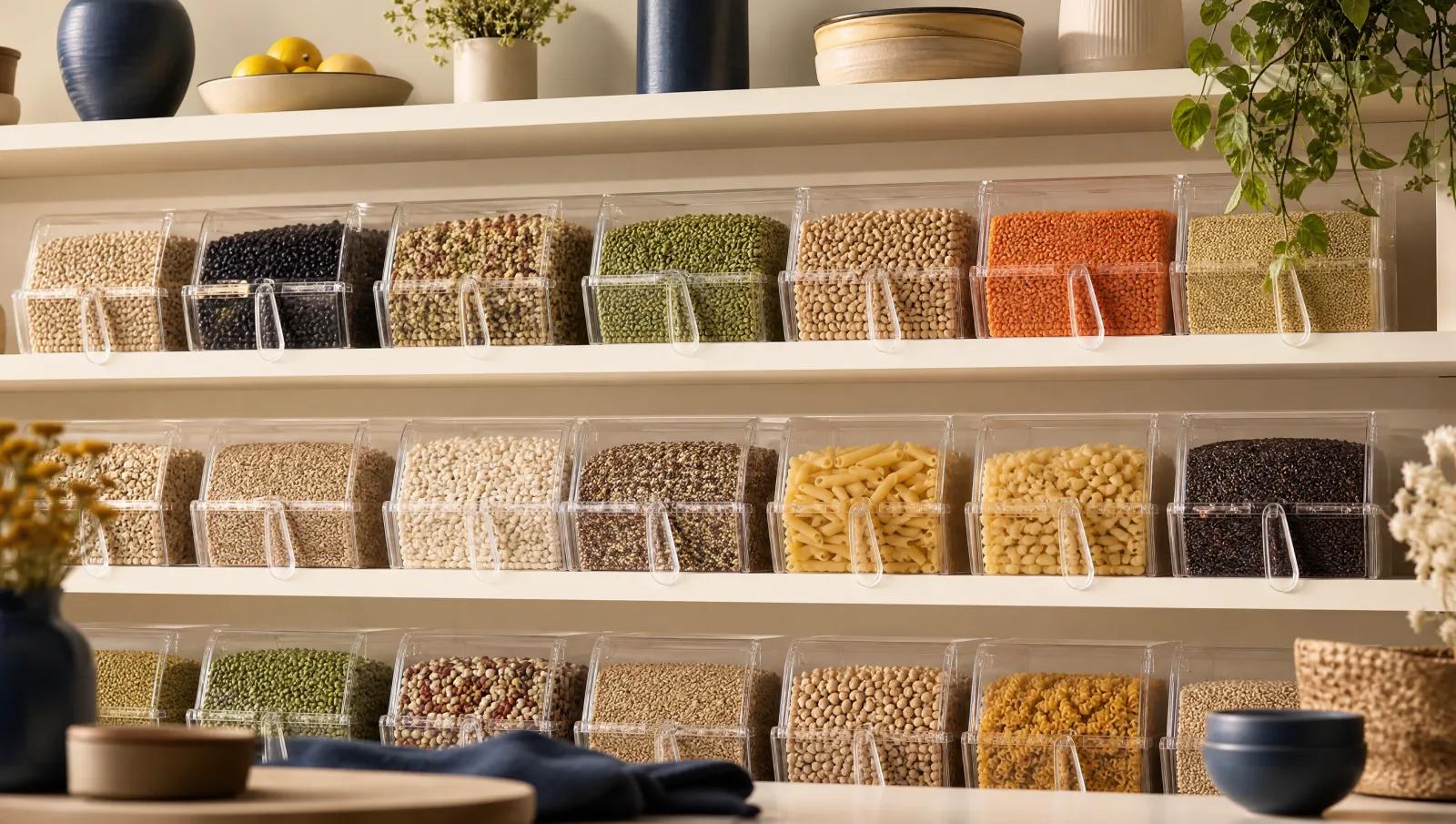
For a small shop, manage the candy category by starting narrow (roughly eight to twelve SKUs), reordering on a steady cadence, and using sales data to prune the slow tail and deepen the fast movers. Width beats depth at the start. Once a flavor proves it sells, buy it deeper and cut what does not move.
We import Swedish and European candy direct and ship it from our Santa Fe Springs, California warehouse to retailers across the US and Canada. We ran candy shops in Sweden before we started importing, so the framework below is how we would actually run a small candy set, not a spreadsheet theory. For the full wholesale picture, start with our wholesale Swedish candy guide.
Width versus depth: start wide, then go deep
Every small candy category faces the same trade-off. Width is how many different flavors you carry, and depth is how many units of each you hold. With limited shelf and limited cash, you cannot maximize both, so the question is where to lean.
At launch, lean wide. You do not yet know which flavors your shoppers will pick, so a broader set of single cases tells you more than a deep buy on a few guesses. Carry a spread across flavor types, watch what sells, and let the data decide where to add depth. Going deep on the wrong flavor ties up cash and shelf in stock that sits, which is the most common mistake we see a new candy buyer make.
Once a flavor has proven itself over a few weeks, flip the logic and buy it deeper so you never run out of a known winner. A stockout on your best seller is lost margin you cannot get back, so depth is a reward you earn with data, not a bet you place up front.
How many SKUs to start with
For most small shops, eight to twelve SKUs is a sensible starting category. That is wide enough to cover the main flavor lanes, and narrow enough that you can actually track each one and keep the shelf faced. Cover a few distinct lanes rather than a dozen versions of the same taste.
A balanced starter spread looks like this. Anchor with a classic crowd-pleaser like BUBS Cola Skulls from BUBS, which is vegan and gelatin-free. Add a sour, because sour is the flavor shoppers talk about and photograph, and the vegan S-Marke Sour Strawberry from S-Marke is a reliable one. Cover a shaped, giftable pick with Matthijs Swedish Skulls from Matthijs, which is gluten-free, vegan, and halal. Add a foam (skum) texture with Franssons Foam Mushrooms from Franssons. And round it out with a fruity licorice-style slice like Blue Raspberry Licorice Slices for variety of shape and color.
A balanced starter set

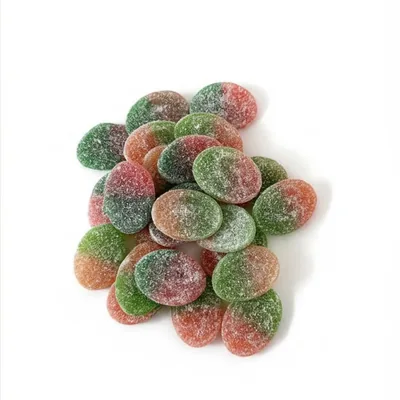
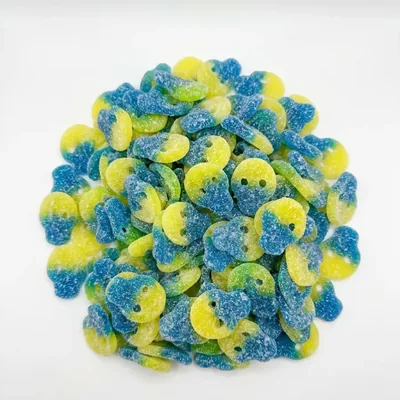
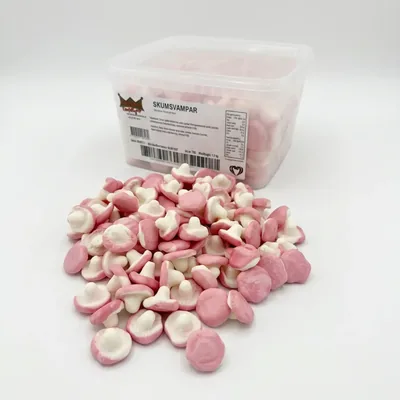
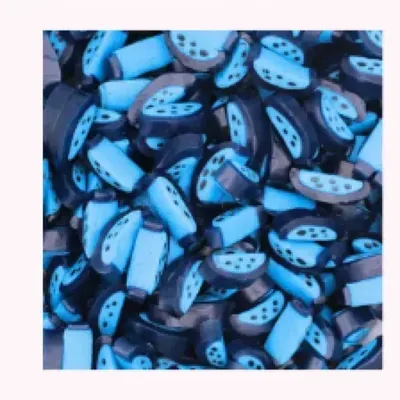
That set spans classic, sour, shaped, foam, and licorice-style, so early sales tell you which lane your shoppers prefer. Because we let you mix and match by the case, you can assemble a spread like this without over-committing to any single flavor. For a deeper walkthrough of a first stocking, see our guide on how to stock Swedish candy.
Set a reorder cadence
Category management is a rhythm, not a one-time buy, so pick a steady reorder cadence and hold to it. A fixed review, whether weekly or every two weeks, keeps your best sellers in stock and gives you a regular checkpoint to prune and adjust. The exact interval matters less than the consistency, because a steady cadence is what turns scattered sales into a pattern you can read.
At each reorder, do two quick things. Deepen anything that sold through, and question anything that did not. That single discipline, repeated on schedule, is most of what keeps a small candy category healthy. Keep a small buffer on your proven winners so a busy week does not empty the shelf before the next order lands.
Use the data to prune and expand
The point of a tight, tracked set is that the numbers tell you what to do next. Manage the category as top-versus-tail. The top is your handful of fast movers, and it earns more shelf, deeper stock, and the best-faced slot. The tail is whatever consistently underperforms, and it should be cut without sentiment to free cash and space for a new trial.
Prune on evidence, not taste. A flavor you personally love but that sits for a month is tail, and it goes. When you cut a laggard, replace it with one new trial rather than several, so you can read the result cleanly against the set you already know. That is how a small category slowly improves quarter over quarter instead of drifting into a shelf of slow movers.
Expansion follows the same rule in reverse. When a lane is clearly winning, widen within it. If sour is outselling everything, add a second and third sour before you add an unrelated flavor, because you are following proven demand instead of guessing at new demand. Once you understand what resells for you, our guide on Swedish candy for resale and the wholesale Swedish candy checklist help you scale the category cleanly. When you are ready to sharpen the display itself, our candy merchandising guide covers placement and facings.
Buying and reordering from us
We import direct, so our case prices come in under most US distributors, and every order ships DDP with US labels and duties already paid. There is no order minimum, and you mix and match by the case, which is exactly what a width-first starter category needs. Everyone buys at our public Tier 1 list pricing, and approved accounts unlock Tier 2 and Tier 3 pricing plus Earned Credit, a credit line equal to their largest paid, delivered order (up to an account limit) and spendable at checkout on NET-14 terms with a card covering any difference, so your reorders get easier as the category grows.
Ready to build a category that manages itself?
Start with a wide, balanced set, reorder on a steady cadence, and let the data tell you where to go deep. Apply for a wholesale account, size a starter spread with our bulk order tool, or contact us and we will help you assemble a candy category that fits your shop.
Frequently asked questions
How many candy SKUs should a small shop start with?+
Eight to twelve is a sensible start. That is wide enough to cover the main flavor lanes and narrow enough to track each one and keep the shelf faced. Start wide, then add depth to whichever flavors prove they sell.
Should I go wide or deep on candy?+
Start wide, then go deep. At launch you do not know which flavors your shoppers will pick, so a broad set of single cases teaches you more than a deep buy on a guess. Once a flavor proves itself, buy it deeper.
How often should I reorder candy?+
Set a steady cadence, weekly or every two weeks, and hold to it. Consistency matters more than the exact interval, because a regular review keeps winners in stock and gives you a checkpoint to prune the slow tail and adjust.
How do I decide which candy to drop?+
Manage top-versus-tail. Deepen your fast movers and cut whatever consistently underperforms by the next reorder, even a flavor you personally like. Replace one laggard with one new trial so you can read the result cleanly.
How do I expand the category once it is working?+
Widen within the winning lane. If sour outsells everything, add a second and third sour before an unrelated flavor. You are following proven demand rather than guessing, which is the lowest-risk way to grow a small category.
Keep reading

Gustav Lindqvist · Candy Master
Gustav grew up in Sweden on a strict Saturday-candy schedule, mixing his lördagsgodis bag at the lösgodis wall before he could spell salmiak. He has spent years tasting his way across Scandinavian candy, and now curates the range at TheSweetsTruck, from BUBS sour skulls to the saltiest licorice most people cannot finish.
Last updated 7/31/2026