Exotic Candy for Shops: Labels, Dyes and Fakes to Check First
Before you stock imported or hard-to-find candy, know that a pack with a foreign-only label, a color FDA does not list or an object inside can be detained or recalled. A sourced checklist for US shops.
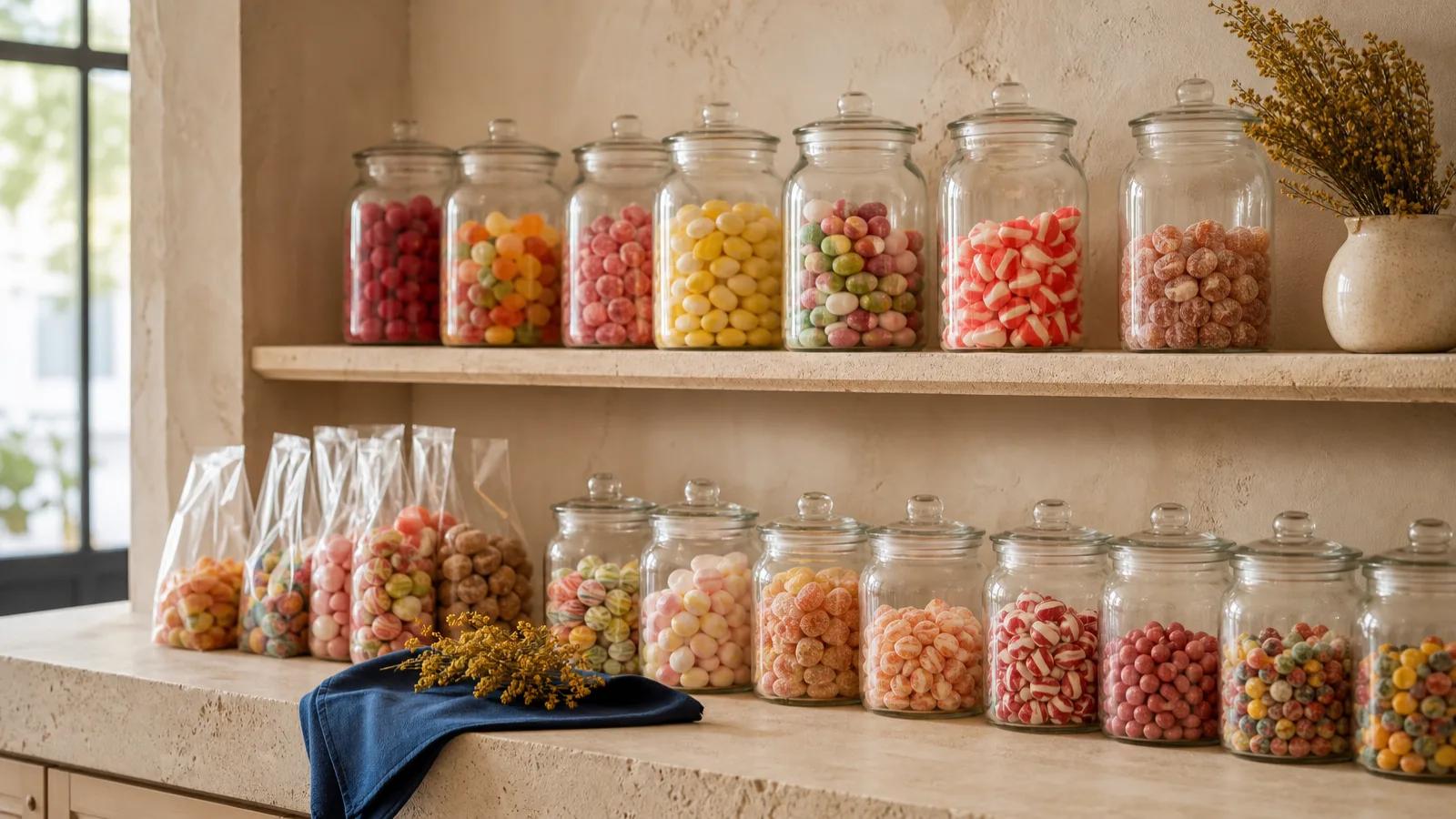
Exotic candy is imported or hard-to-find candy. Before you stock it, check that the pack has an English label with ingredients, allergens and a Nutrition Facts panel, uses only colors FDA lists for food, has no object embedded in the candy, and comes from an importer who can document where it came from.
This is a sourcing guide for US shop owners, built on FDA rules and dated enforcement records. It is general information, not legal advice. For the import process itself, see importing candy to the US.
Why does exotic candy need extra checks?
Exotic candy means products a shopper cannot find at the supermarket: foreign flavors, unusual formats and imported brands. A pack made for another market may not be labeled or formulated for the US one, which is why the checks below matter. Our imported candy guide explains how the supply chain works. This page covers what to check before a product reaches your shelf.
FDA says imported food must meet the same requirements as domestic food, that importers are responsible for products being labeled according to US requirements, and that it can detain shipments that are not in compliance (FDA).
What must an imported candy label show?
- English: every statement required on the label must appear in English (21 CFR 101.15(c)). A pack labeled only in another language is not ready for a US shelf.
- Who it is from: the name and place of business of the manufacturer, packer or distributor, with a phrase such as "Distributed by" when that company did not make it (21 CFR 101.5).
- Net quantity: the principal display panel must declare the net quantity of contents (21 CFR 101.7).
- Allergens: FDA recognizes nine major food allergens: milk, eggs, fish, crustacean shellfish, tree nuts, peanuts, wheat, soybeans and sesame, which became a major food allergen effective January 1, 2023 (FDA).
- Nutrition Facts: if a pack has none, ask which exemption it relies on. FDA's low-volume exemption, for example, requires fewer than an average of 100 full-time equivalent employees, fewer than 100,000 units of the product sold in the US in 12 months, and an annual notice to FDA (FDA).
- Dates: except for infant formula, federal law does not require quality-based date labels on packaged food (FDA). Ask for the remaining shelf life anyway, because you need it for rotation.
Our guide to FDA labeling for imported candy goes through these elements in more detail.
Which colors can get imported candy detained?
FDA's Import Alert 45-02, last updated September 8, 2026, covers detention without physical examination of foods containing illegal or undeclared colors, and its product lists include many candies. It states that products with illegal color additives are adulterated and cannot be reconditioned, and that certified colors must come from FDA-certified lots.
Check the ingredient list against FDA's color additive table. Colors the EU authorizes, such as E104 (quinoline yellow), E122 (carmoisine) and E124 (ponceau 4R), are not among the colors that table lists for food. A certified color such as Red 40 must also be declared by name (21 CFR 101.22(k)).
A dated example: Food Safety News reported, citing FDA, that Blooming Import Inc. of Brooklyn, NY, began recalling 74 cases of Golden Crop Candy on March 5, 2025, because they contained undeclared and unallowed colors: Blue 1, Red 40 and Acid Red 18, which is not approved for food in the US.
What else can get candy stopped or pulled?
- Objects inside the candy: under section 402(d)(1) of the Federal Food, Drug, and Cosmetic Act, confectionery with a non-nutritive object partly or completely embedded in it is adulterated unless FDA has issued a regulation recognizing that the object has practical functional value and would not make the product injurious to health. FDA's Import Alert 34-02, updated May 12, 2025, applies this to confectionery and names Kinder Surprise Eggs as the product that prompted it.
- An importer without supplier checks: importers must verify their foreign suppliers under the Foreign Supplier Verification Program (FSVP) rule, and FDA enforces it. In January 2025 it sent a warning letter to a Minnesota importer of Swedish foods, including a fruit candy stick, that FDA said had not developed an FSVP for any of the foods it imported. In July 2026 a similar letter, amended in August 2026, went to a California importer whose imports included candy.
- Counterfeits and lookalikes: a counterfeit pack gives you no reliable ingredient or allergen information. Lookalike packaging is a related risk: in July 2024, FDA and the FTC warned companies selling delta-8 THC edibles packaged to resemble popular snacks and candies, which children or unsuspecting adults could eat without realizing.
What should you check before stocking an imported candy?
- An English label with ingredients, allergens, net quantity and a Nutrition Facts panel, or a clear answer on which exemption applies.
- A name and address for the manufacturer, packer or distributor, with "Distributed by" or similar where needed.
- Colors you can find on FDA's table, with certified colors named (Red 40, Blue 1) and none of E104, E122 or E124.
- No object embedded in the candy itself.
- Paperwork: who imported it, whether they have an FSVP for the product, and invoices that trace it back toward the brand.
- Shelf life: the best-before date and how much time is left before you buy deep.
- Recalls: search FDA's recalls page for the brand before a first order.
Where does Swedish candy fit on an exotic wall?
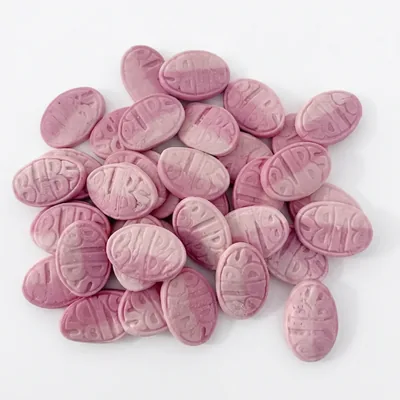
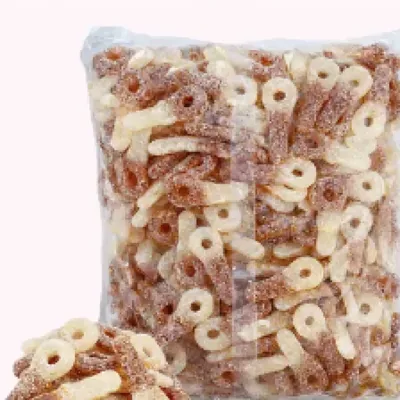
Swedish candy brings formats such as sour skulls, pacifier shapes, foam strawberries and raspberry shots. We import these cases and warehouse them in Santa Fe Springs, California, and Tier 1 case prices are public on every product page. Ask us for the ingredient text we hold for any product, and read each pack when it arrives. Why buying from an importer can remove a layer of cost is covered in candy distributor vs importer.
Swedish cases for an exotic candy wall


Want Swedish candy on your exotic wall? Browse the store or apply for a wholesale account, and order by the case, mix and match, with no order minimum.
Frequently asked questions
Is exotic candy legal to sell in the US?+
It can be, if it meets the same FDA requirements as domestic food. That includes the required label information in English, declared allergens, colors FDA lists for food and no non-nutritive object embedded in the candy. FDA can detain shipments that do not comply, and products can be recalled after they reach stores. This is general information, not legal advice.
Does imported candy need an English label?+
Yes. Federal rules require every statement that must appear on a food label to appear in English, with an exception for products distributed only in Puerto Rico or a US territory where another language predominates. A pack labeled only in a foreign language is not ready for a US shelf.
Why is some foreign candy not allowed in the US?+
Two reasons FDA import alerts cover are colors and embedded objects. Some colors authorized abroad, such as E124 (ponceau 4R), are not on FDA's list for food, and FDA can detain foods with illegal or undeclared colors. Confectionery with a non-nutritive object embedded in it, the issue behind the alert naming Kinder Surprise Eggs, is treated as adulterated.
How can I tell if exotic candy is counterfeit?+
Compare the pack with the brand's official packaging, look for a manufacturer or distributor name and address, and ask your supplier for invoices that trace the product back toward the brand or its importer. Be wary of famous imported bars offered far below the usual price. A counterfeit label cannot be trusted for ingredients or allergens.
Where can shops buy exotic candy wholesale?+
From a supplier who can answer the checklist above for each product you buy: who imported it, what the label says, and where the ingredient and allergen information comes from. We import Swedish and European candy and sell it by the case, mix and match, with no order minimum. Tier 1 case prices are public, and wholesale applications approve automatically.
Keep reading

Gustav Lindqvist · Candy Master
Gustav grew up in Sweden on a strict Saturday-candy schedule, mixing his lördagsgodis bag at the lösgodis wall before he could spell salmiak. He has spent years tasting his way across Scandinavian candy, and now curates the range at TheSweetsTruck, from BUBS sour skulls to the saltiest licorice most people cannot finish.
Last updated 10/6/2026