The History of Swedish Candy
Swedish candy has a surprisingly rich history, from sugar's arrival to the Saturday-candy tradition and the rise of salmiak. Here is the short version.
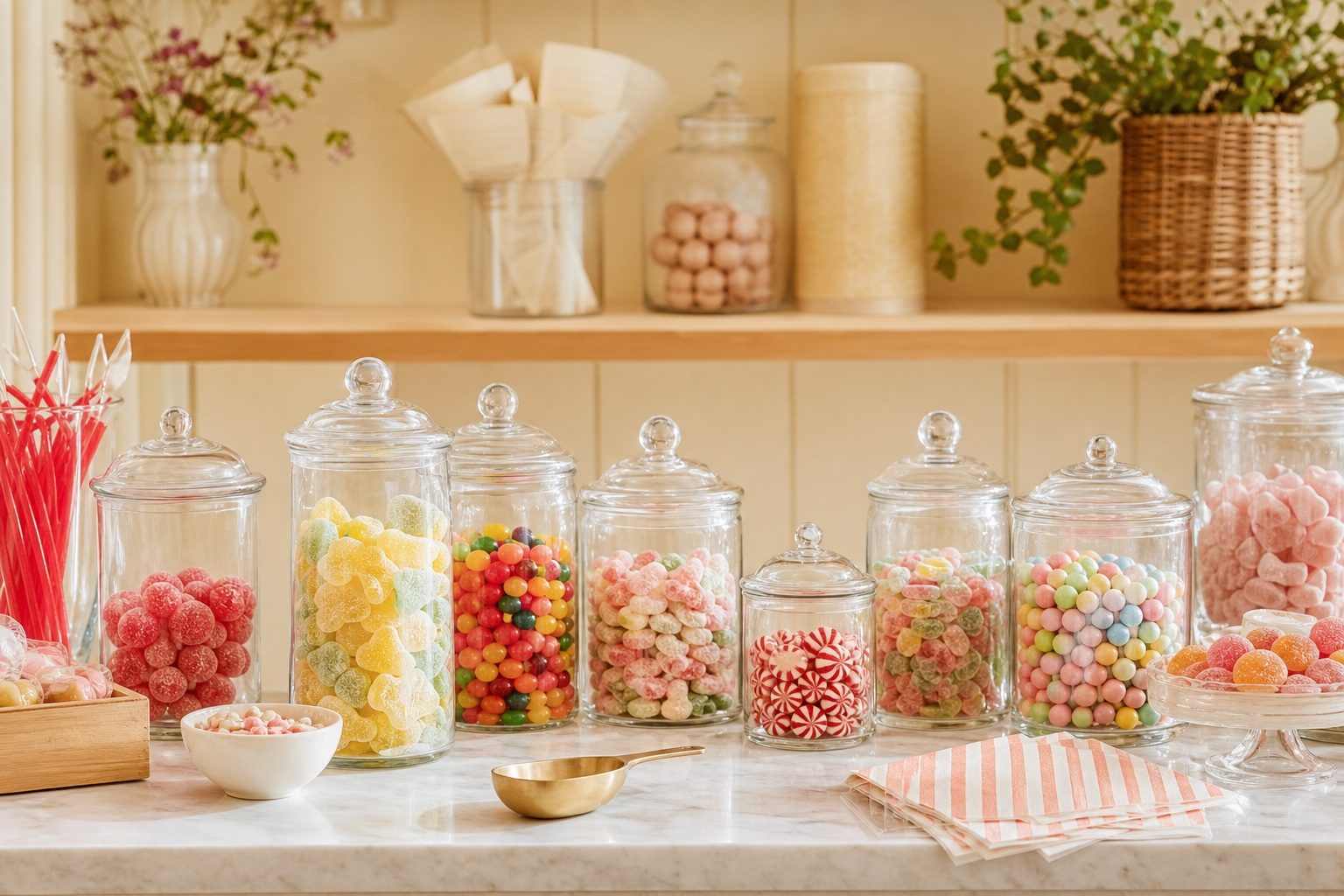
Swedish candy history runs from sugar becoming affordable in the 1800s, through the rise of pick-and-mix shops, to the mid-1900s Saturday-candy tradition (lördagsgodis) that grew out of dental-health advice to limit sweets to once a week. Salty licorice (salmiak) and a strong pick-and-mix culture became the defining features.
From luxury to everyday
As sugar became affordable, candy moved from luxury to everyday treat, and pick-and-mix shops let people buy loose candy by weight.
The Saturday-candy tradition
In the mid-1900s, Swedish dental-health advice encouraged saving sweets for once a week, which grew into lördagsgodis, Saturday candy. It is a big reason Swedish candy is so good: demand concentrated, and quality followed.
The rise of salmiak
Salty licorice, or salmiak, became a national flavor, setting Swedish (and Nordic) candy apart from the rest of the world.
Where it stands today
Today Swedish candy is a global cult favorite, led by modern brands and the same pick-and-mix culture. Taste the history.
Frequently asked questions
Why do Swedes eat candy on Saturdays?+
The lördagsgodis tradition grew from mid-1900s dental-health advice to limit sweets to once a week, which became a weekly family ritual.
How old is Swedish candy culture?+
Pick-and-mix and everyday candy go back to the 1800s, with the Saturday-candy tradition forming in the mid-1900s.
Keep reading

Gustav Lindqvist · Candy Master
Gustav grew up in Sweden on a strict Saturday-candy schedule, mixing his lördagsgodis bag at the lösgodis wall before he could spell salmiak. He has spent years tasting his way across Scandinavian candy, and now curates the range at TheSweetsTruck, from BUBS sour skulls to the saltiest licorice most people cannot finish.
Last updated 7/13/2026