Pick and Mix: What It Is, Where It Came From, and Why It Sells
Pick and mix explained: the Nordic lördagsgodis origin, how the format works in a shop, and why weigh-and-pay reliably lifts basket size over pre-packed bags.
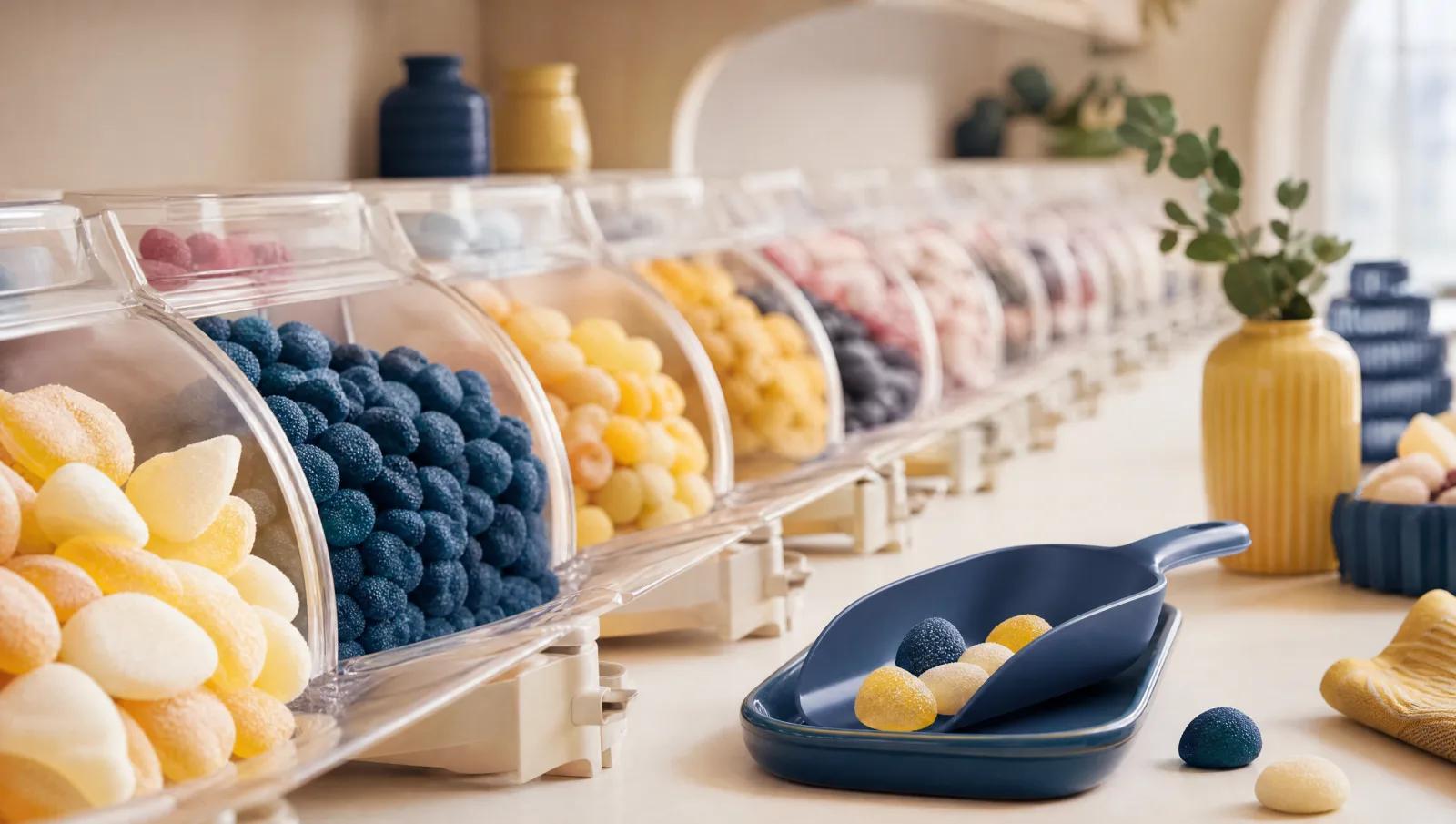
Pick and mix is a self-serve candy format: open bins of loose sweets, a scoop, a bag, and a price set by weight rather than by piece. It comes out of the Nordic lördagsgodis tradition of buying loose candy on Saturdays. It sells because the customer builds the bag themselves, and almost nobody stops at one scoop. We ran candy shops in Sweden before we started importing, so this format is not a merchandising theory to us. This is what pick and mix is, where it came from, and the specific reasons it outperforms a pre-packed shelf.
What pick and mix actually means
A pick and mix is a wall or run of bins holding loose candy, with utensils, bags, and a scale. The shopper takes what they want in whatever proportions they want, and pays for the total weight. There is no pre-set assortment and no unit price on any individual piece.
The name changes by market, which matters if you are researching the category or sourcing from Europe.
Market: Term: What it literally means
Sweden: lösgodis: Loose candy
Sweden: smågodis: Small candy, used for the wall itself
Sweden: lördagsgodis: Saturday candy, the ritual rather than the format
Denmark: bland selv slik: Mix your own candy
Norway: smågodt: Small sweets
Finland: irtokarkit: Loose candies
UK and Ireland: pick 'n' mix:
US and Canada: bulk candy, weigh-and-pay, self-serve candy:
If you have read about Swedish candy anywhere, you have run into the first three. We cover the bag itself in lösgodis: the pick-and-mix bag and the wall in smågodis: the pick-and-mix wall.
The Nordic origin
Sweden did not invent loose candy, but it did build a national weekly habit around it. Lördagsgodis translates as Saturday candy, and it describes exactly what it sounds like: sweets are a Saturday thing, bought loose, chosen by the child, eaten that day.
The habit has roots in mid-century Swedish public health advice to confine sweets to one day a week rather than spread them across seven. It stuck, and it turned into culture. Swedish supermarkets and candy shops still run large pick-and-mix walls, and Saturday is still the peak. The full story is in why Swedes eat candy on Saturdays.
The commercially interesting part is what that habit does to the format. When candy is a weekly occasion rather than a daily grab, the bag gets bigger, the selection gets more deliberate, and the experience of choosing becomes part of what the customer is buying. Every good pick and mix outside Scandinavia is borrowing that.
How the format works in a shop
The mechanics are simple, which is most of the appeal.
Bins. Gravity dispensers or lidded scoop bins, typically a dozen to two dozen SKUs to start.
Utensils. One dedicated scoop or tong per bin, held in place, which handles both tidiness and allergen separation.
Bags. Two sizes is usually enough. The default size you hand people quietly sets your average sale.
A legal-for-trade scale. In the US that means NTEP-certified. This is the one component you cannot improvise.
One blended price per pound. Most shops run a single price across the whole wall rather than pricing each bin, because it keeps the customer math simple and the queue moving.
Labels. Product name and dietary information on every bin, in plain words.
That is the whole system. The operational detail, equipment specifics, margin targets, shrinkage control, and how to reorder from what the wall tells you, is in how to run a profitable pick-and-mix. This guide is about what the format is and why it works, so we will not repeat that here.
Why it drives basket size
This is the part worth understanding properly, because "customers like it" is not a business case. Five specific mechanics are at work.
There is no natural stopping point. On a pre-packed shelf, the unit is the bag, and the decision is one bag or two. On a pick and mix, the unit is weight, and weight accumulates in small increments. Nobody counts their way to a stopping point, they just stop when the bag feels right, which is usually later than they intended.
Trial cost collapses. One piece of an unfamiliar candy costs a shopper almost nothing, so they take one. That is how a slow SKU earns its place: nobody would buy a whole bag of it, but plenty of people will try one, and some of those come back for a scoop.
The customer built it, so they value it. A self-assembled bag is a personal object in a way a sealed bag is not. It is much harder to put down at the register.
Your assortment risk drops. A pre-packed range commits shelf facings to specific SKUs. A pick and mix blends slow movers in with the hits, so dead stock is diluted rather than displayed. Your worst bin still sells at your blended price.
Groups multiply. Two adults share one packaged bag. Two adults and two kids fill four bags. The format scales with the number of people in front of it, which is why it performs so well in tourist areas, cinemas, and anywhere a family is out together.
Put together, a well-run wall converts browsing into weight, and weight is revenue. It also converts a commodity category into an experience, which is exactly the ground an import range like Swedish candy wants to compete on.
Where the format fits beyond candy stores
Pick and mix is not only for dedicated sweet shops. It works anywhere there is dwell time and a reason to reward yourself.
Cafes and ice cream shops use a small wall as an add-on at the counter. Gift and souvenir shops use it because a self-built bag makes a better present than a generic packet. Hotels and resorts run it in the lobby or at kids' clubs. Event planners and wedding venues build candy bars on the same principle. We cover those cases in bulk Swedish candy for cafes and events and wedding and event candy bars, and the grocery version in Swedish candy for grocery stores.
Sourcing the candy for it
Pick and mix runs on bulk cases, which is most of what we import. Cases in the 4 to 9 lb range are the working size for a wall, because they refill a bin cleanly without sitting open for weeks.
Bulk cases built for bins
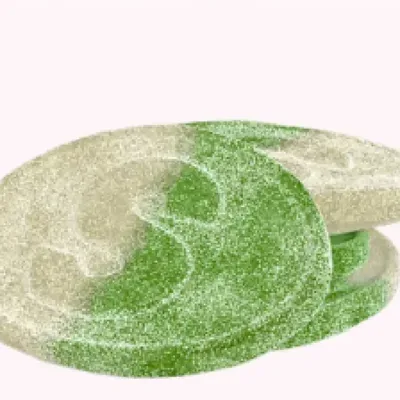

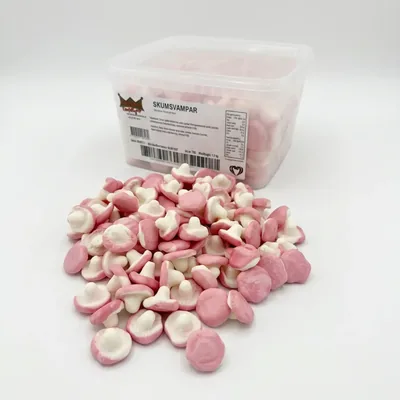
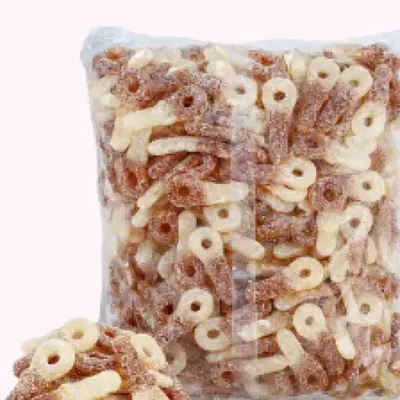
The buying side is deliberately simple. Order by the case, mix and match across brands, no order minimum, so you can fill a first wall in one order without committing to a pallet of anything. Tier 1 wholesale pricing is public, so you can cost the whole wall before you speak to a person. Wholesale accounts approve automatically when you apply, and approved accounts can be promoted to better volume tiers as they grow.
We ship from our warehouse in Santa Fe Springs, California, on UPS Ground and UPS Express. Canada ships DDP with duties paid at checkout, in 3 to 5 days. For orders of $2,000 or more there is a pallet option, agreed by email. With Earned Credit, an approved account's credit line equals its largest paid, delivered order (up to an account limit), spendable at checkout on NET-14 terms, with a card covering any difference.
Frequently asked questions
What is pick and mix?+
Pick and mix is a self-serve candy format where loose sweets are displayed in open bins, the customer fills their own bag with a scoop, and the bag is priced by weight rather than per piece. It is also called weigh-and-pay, bulk candy, pick 'n' mix, or lösgodis in Sweden.
Where did pick and mix come from?+
The modern format is strongly associated with Sweden, where the lördagsgodis (Saturday candy) tradition built a weekly national habit around buying loose sweets. Swedish shops still run large pick-and-mix walls, and the format spread from there into UK and US retail.
What is lördagsgodis?+
Lördagsgodis means Saturday candy in Swedish. It describes the tradition of saving sweets for one day a week, which grew out of mid-century public health advice and became a cultural fixture. It is the reason Swedish candy shops are busiest on Saturdays.
How is pick and mix priced?+
By weight, almost always at a single blended price per pound across the whole wall rather than per bin. That keeps the customer experience simple and lets you use one legal-for-trade scale at the counter instead of pricing each SKU.
Why does pick and mix increase basket size?+
Because the unit of purchase is weight, not packages, so there is no natural stopping point. It also makes trying an unfamiliar candy nearly free, so shoppers add items they would never buy as a full bag, and each person in a group fills their own.
Is there a minimum order to stock a pick-and-mix wall?+
No. There is no order minimum. You order by the case and mix and match across brands, which means you can fill a full wall across several brands in a single order.

Gustav Lindqvist · Candy Master
Gustav grew up in Sweden on a strict Saturday-candy schedule, mixing his lördagsgodis bag at the lösgodis wall before he could spell salmiak. He has spent years tasting his way across Scandinavian candy, and now curates the range at TheSweetsTruck, from BUBS sour skulls to the saltiest licorice most people cannot finish.
Last updated 9/25/2026