Scandinavian Food: A Guide for Americans
What Scandinavian food actually is: the pantry, the preserving traditions, the dishes you will meet in Sweden, Denmark and Norway, the coffee break, and where candy fits.
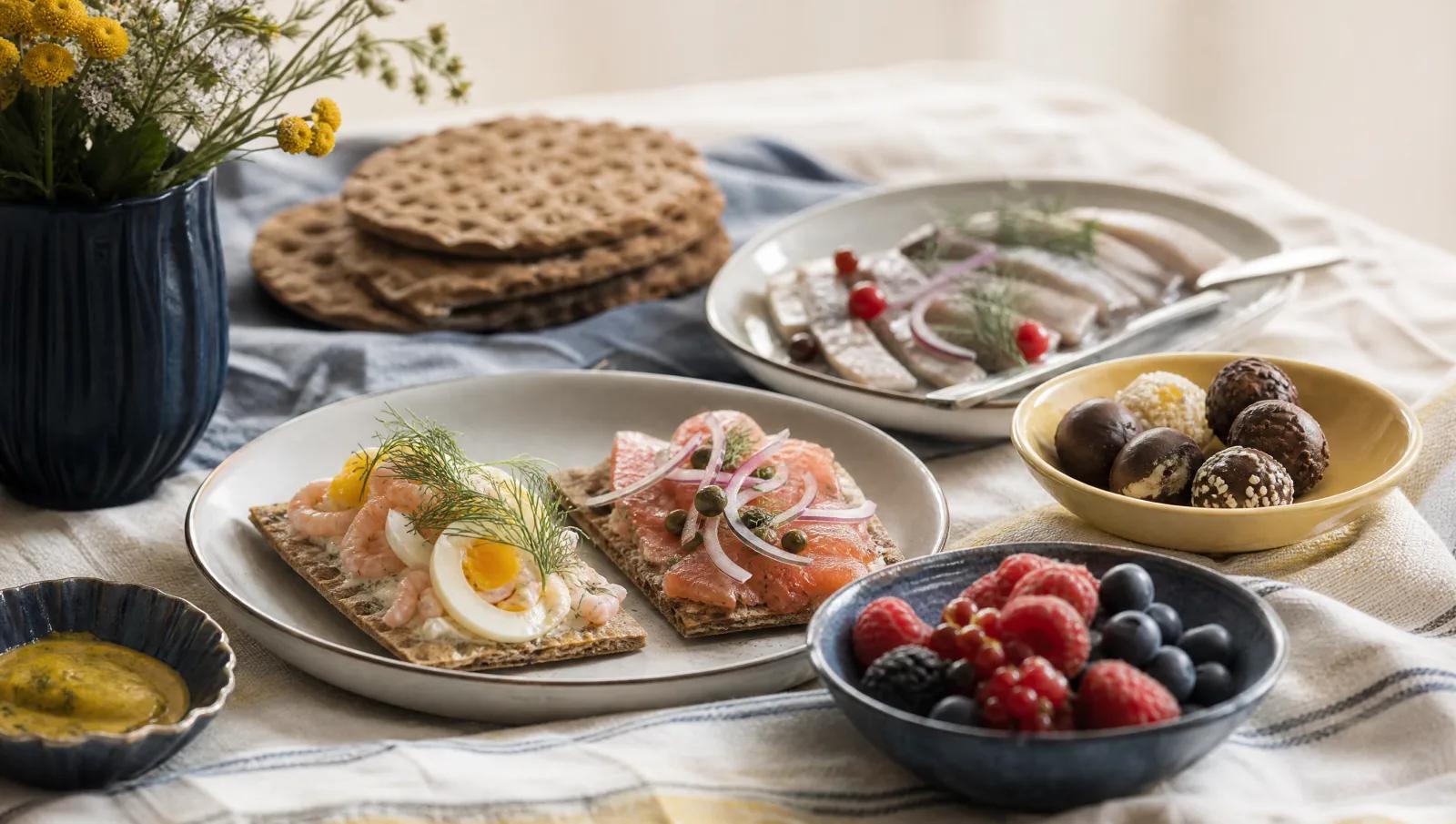
Scandinavian food is the cooking of Sweden, Denmark and Norway: rye bread and potatoes, cured and pickled seafood, pork and game, dairy, and wild berries, shaped by centuries of preserving through long winters. It leans salty, sour and savoury rather than sweet, and it is organised around shared meals, seasons, and a daily coffee break. We are Swedes who import candy for a living, so we will get to the sweets. But the sweets only make sense inside the wider food culture, and most American guides to Scandinavian food skip straight to meatballs and cinnamon buns. Here is the fuller picture.
Scandinavian, Nordic, and why the difference matters
Scandinavia is Sweden, Denmark and Norway. The Nordic countries are those three plus Finland and Iceland, which have related but genuinely distinct food cultures: Finland leans east toward rye, mushrooms and salmiak, and Iceland has its own fish and lamb traditions.
Restaurant menus in the US use the two words interchangeably. In practice, "New Nordic" describes the modern foraging-and-fermentation restaurant movement that came out of Copenhagen in the 2000s, while "Scandinavian food" usually means the home cooking that came before it. This guide is about the second one.
The pantry
Almost everything on a Scandinavian table comes back to a short list of ingredients that grow, swim, or keep well this far north.
Grain. Rye above wheat, historically. Dense dark rye loaves in Denmark (rugbrød), crispbread (knäckebröd) in Sweden, and flatbreads in Norway. Wheat exists, but it belongs mostly to baking and pastry.
Potatoes. The default starch, boiled and served plain with dill and butter far more often than mashed or fried. New potatoes in June are a genuine seasonal event.
Fish. Herring in every preserved form there is: pickled, soused, mustard-dressed, curried in Denmark. Salmon cured into gravlax with salt, sugar and dill. Cod, mackerel, shrimp, and the famous outliers such as Norwegian lutefisk and Swedish surströmming.
Meat. Pork before beef. Meatballs, sausages, cured hams, plus game where it is available: elk, reindeer in the far north, and lamb in Norway.
Dairy. Butter, soured milk products (filmjölk, skyr's cousins), and cheese, including Norway's brunost, a caramelised brown whey cheese that tastes far more like fudge than like cheddar and confuses most first-time visitors.
Berries and fruit. Lingonberry, cloudberry, bilberry, sea buckthorn, apples, plums and rhubarb. Lingonberry jam served alongside meat is the clearest example of how the cuisine uses sweetness: as a sharp counterpoint, not as dessert.
Aromatics. Dill, caraway, juniper, allspice, mustard, horseradish and cardamom. Cardamom in particular does more work in Scandinavian baking than cinnamon does in American baking.
Why it tastes the way it does
For most of its history this was a preserving cuisine. Short growing seasons and long winters meant that salting, smoking, drying, pickling and fermenting were not stylistic choices, they were survival.
That legacy explains the flavour profile that surprises Americans most. Scandinavian food is comfortable with sour (vinegar-pickled everything), with salt (cured fish, salt-cured meat), and with intense savoury funk (fermented fish that Norwegians and Swedes eat with pride and outsiders approach carefully). Sweetness appears as a seasoning rather than as a course: sugar in the gravlax cure, sugar in the pickling liquor, jam next to the meat.
It also explains why the sweet things are so distinct when they do arrive. In a food culture that keeps sugar out of dinner, coffee time and candy time become their own protected rituals.
The dishes you will actually meet
Country: Everyday dishes: The ones visitors ask about
Sweden: Meatballs with cream sauce, lingonberry and pickled cucumber; pyttipanna hash; pea soup and pancakes on Thursdays; toast Skagen: Gravlax, surströmming, the smörgåsbord
Denmark: Smørrebrød open sandwiches on rye; frikadeller pork meatballs; stegt flæsk with parsley sauce; pølser sausages: Danish pastry, which Danes call wienerbrød
Norway: Fårikål, lamb and cabbage; fish soup and fish cakes; salmon in every form; brunost on flatbread: Lutefisk, rakfisk, brunost
Two shared institutions are worth knowing. The smörgåsbord is a spread of many small cold and warm dishes eaten in a specific order (herring first, then other fish, then cold meats, then hot dishes), not a random American buffet. Smørrebrød is an open-faced sandwich on dark rye that is architecturally serious: one slice of bread, one clear topping idea, eaten with a knife and fork.
Fika: the coffee break that is not a dessert course
Swedes drink a great deal of coffee, and they drink it socially, at a fixed pause in the day, with something baked. That is fika. The Danes and Norwegians have their own versions of the same habit.
What lands on the table is usually a cinnamon or cardamom bun, a slice of cake, or a plate of small dry biscuits. What is not on the table is a large sweet dessert after dinner, which is the swap that catches Americans out. Scandinavian sweetness happens mid-afternoon, standing up, with coffee. Our fika and candy guide goes into the ritual properly, and Scandinavian desserts covers the baking.
Where candy fits
Candy, or godis in Swedish, is its own category with its own time slot, and it is unusually central. The Saturday sweets tradition, lördagsgodis, moved the week's candy into one designated day, and the pick-and-mix wall in every Swedish grocery store is the physical result: dozens of open bins, a paper bag, priced by weight. Nothing in American retail works quite like it.
The candy itself reflects the food culture. It is less sweet and more sour than American candy, the textures run firmer and chewier, and the flavours skew toward berry, licorice and salt rather than caramel and chocolate. Salty licorice, salmiak, is the extreme case: an ammonium chloride note that reads as inedible to most first-time tasters and as home to everyone raised on it. We wrote about that gap in salty licorice and salmiak.
If you want the candy side in depth, start with what is godis and the Scandinavian candy guide.
The candy side of the table


The year, in food
Scandinavian eating is seasonal in a way that survives supermarkets. Semlor buns appear before Lent and vanish after. New potatoes, pickled herring, dill and the first strawberries define Midsummer in June. August brings the Swedish crayfish party, kräftskiva, with paper hats and schnapps. Autumn is mushrooms, game and apples. December brings the julbord: ham, herring, meatballs, and rice porridge with a hidden almond.
Candy tracks the same calendar, which is why our own buying year is built around it. See the Swedish candy calendar if you sell rather than only eat.
Want the sweet half?
We import Swedish and European candy direct into our warehouse in Santa Fe Springs, California and ship across the US and Canada. Browse the store, or start with what is Swedish candy if you are new to the category. Shops, cafes and grocers can apply for a wholesale account.
Frequently asked questions
What is traditional Scandinavian food?+
Preserved and fresh seafood, rye bread, potatoes, pork and game, dairy and wild berries. Think pickled herring, gravlax, meatballs with lingonberry, open rye sandwiches, and lamb and cabbage. Dishes by country and season are covered in [traditional Scandinavian food](/journal/traditional-scandinavian-food).
Is Scandinavian food healthy?+
It is built on fish, root vegetables, whole rye and dairy, which is a sound base, and the Nordic diet has been studied for that reason. It is also salty and preserving-heavy by tradition. Like most cuisines, it is healthy in its everyday form and less so in its festival form.
What is the difference between Scandinavian and Nordic food?+
Scandinavian covers Sweden, Denmark and Norway. Nordic adds Finland and Iceland. "New Nordic" is a separate thing again: the modern restaurant movement built on foraging, fermentation and hyper-local sourcing.
Why is Scandinavian food so focused on fish?+
Long coastlines, cold productive seas, and centuries of needing food that would keep. Salting, smoking, pickling and fermenting fish were preservation methods first, and they became flavours people genuinely came to prefer.
Do Scandinavians eat dessert?+
Less often as a post-dinner course than Americans do. Sweetness is concentrated in the afternoon coffee break and in candy, which has its own weekly slot. Festival desserts exist, but everyday sweetness lives at fika.
Is Swedish candy really different from American candy?+
Yes, noticeably. It is more sour, firmer and chewier, less reliant on chocolate and caramel, and far more likely to be gelatin-free. We compare them directly in [Swedish candy vs American candy](/journal/swedish-candy-vs-american-candy).

Gustav Lindqvist · Candy Master
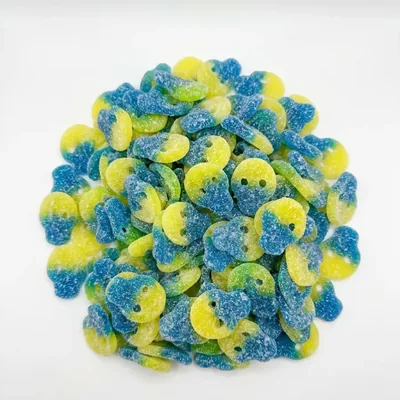
Gustav grew up in Sweden on a strict Saturday-candy schedule, mixing his lördagsgodis bag at the lösgodis wall before he could spell salmiak. He has spent years tasting his way across Scandinavian candy, and now curates the range at TheSweetsTruck, from BUBS sour skulls to the saltiest licorice most people cannot finish.
Last updated 8/23/2026