FDA Labeling & Compliance for Imported Candy: A US Retailer's Guide
What US retailers should know about FDA candy labeling for imported sweets, plus how DDP shipping means no relabeling on your end.
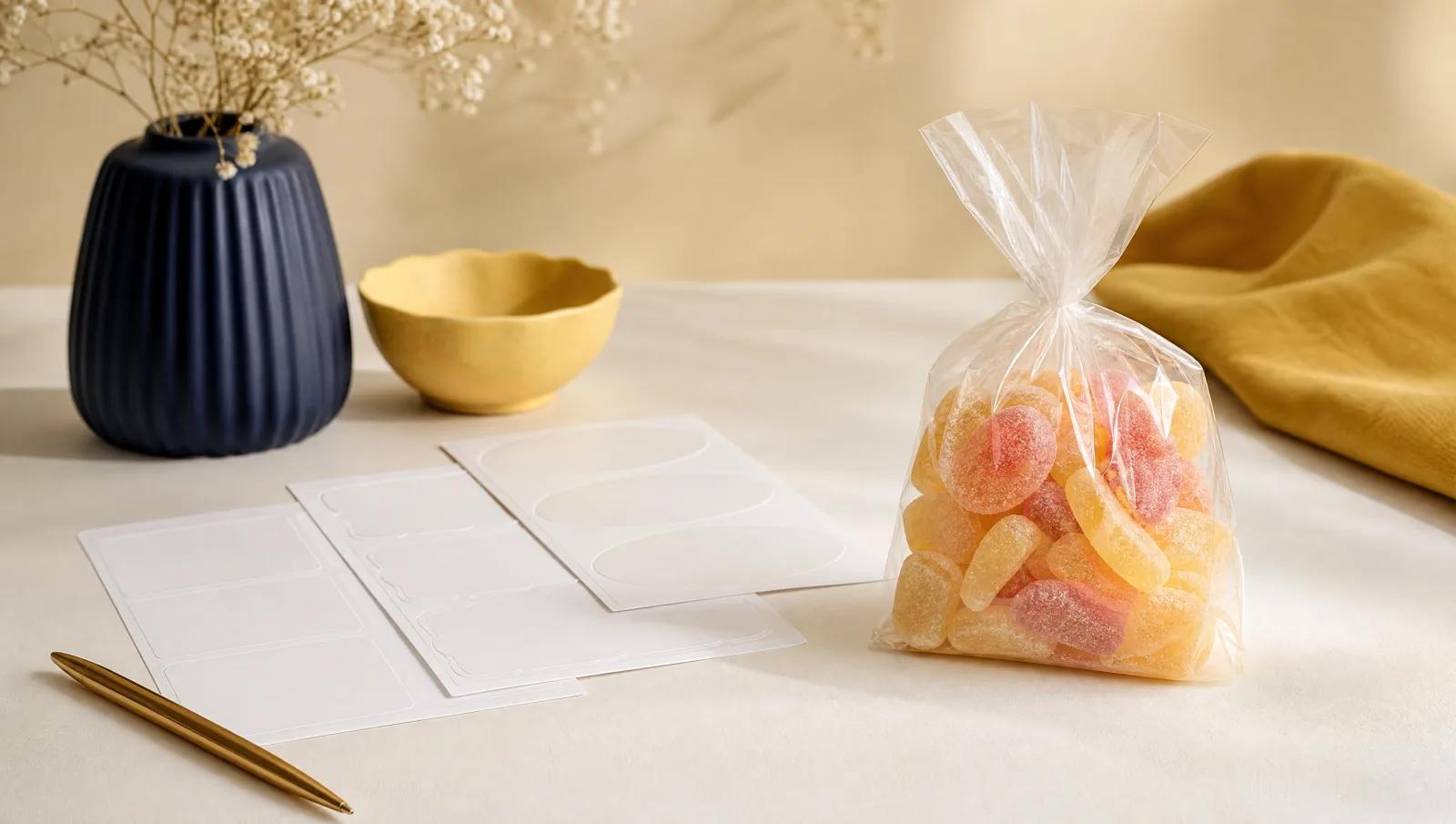
Imported candy sold in the US is generally expected to carry an English label with an ingredient list, an allergen declaration, a nutrition panel, and a net weight. As the importer, we relabel for the US market and ship DDP, so labels and duties are handled and you do not relabel. Always verify specifics with your own authority.
We founded TheSweetsTruck after running candy shops in Sweden, and moving product into the US taught us that labeling is where a lot of first-time candy buyers get nervous. This guide covers what to look for in plain terms, and how we take that work off your plate. It is not legal advice.
What US candy labels are generally expected to show
Packaged food sold at retail in the US is generally expected to carry certain information in English. You do not need to memorize the rulebook, but it helps to recognize the pieces so you can spot a label that is ready for your shelf.
An ingredient statement
A readable list of what is in the product, in English. For imported candy, this is the first thing to check, because a package printed only in Swedish or another language is not ready for a US shelf on its own.
An allergen declaration
Common food allergens, such as milk, wheat, soy, eggs, tree nuts, and others, are generally expected to be clearly declared so shoppers can identify them at a glance. This matters a lot in candy, where gelatin, wheat, and dairy show up in some products and not others.
A nutrition panel
A nutrition facts presentation with serving information and the usual nutrient lines is generally expected on packaged food. Formats and thresholds vary, which is one more reason to work with a supplier that has already prepared US-facing packaging rather than sorting it out yourself.
Net weight and identity
The product needs to say what it is and how much is in the package, in US units. Simple, but easy to overlook on a package built for another market.
Why this matters more for imported candy
Domestic products usually arrive shelf-ready. Imported sweets do not always, because they were printed for their home market. A case of candy that lands in the US with only foreign-language packaging, no US nutrition presentation, or an allergen statement that a US shopper cannot read is a problem for whoever puts it on the shelf.
That is exactly the gap a direct importer is supposed to close. If you buy from a supplier who simply forwards foreign retail packs, the relabeling burden can land on you. Our guide to importing candy to the US explains the wider process, and importing Swedish candy to Canada covers the northern border.
How we handle labeling and duties
We are the importer of record, so this work happens before the product ever reaches you.
- US-facing labels. We prepare packaging for the US market so the ingredient, allergen, and nutrition information is presented in English, ready to sell.
- Duties paid, shipped DDP. We ship delivered duty-paid from our Santa Fe Springs, California warehouse. Duties are settled and there is nothing for you to clear.
- No relabeling on your end. Cases arrive shelf-ready, so your staff are not stickering packages or decoding a foreign nutrition panel.
- Clear dietary flags. Because we import direct, we can tell you exactly which products are vegan, gelatin-free, or halal, which is the information your own customers ask about most.
That last point is practical merchandising, not just compliance. Take Matthijs Swedish Skulls from Matthijs: they are gluten-free, halal, vegan and vegetarian, so they clear almost every dietary question a shopper might raise. Or BUBS Goody Banana/Toffee single bags from BUBS, which are vegan, gelatin-free and halal. Knowing those flags with certainty is only possible because we handle the product from the source.
That certainty pays off at the shelf edge. A shopper who asks whether a candy is vegan or contains gelatin wants a straight answer, and a staff member who can give one without flipping the package over is worth a lot to the sale. Because we control the product from import to delivery, we can stand behind each item's flags rather than guessing from a repackaged import, which is the kind of trust signal that keeps a specialty candy set credible.
Shelf-ready, US-labeled
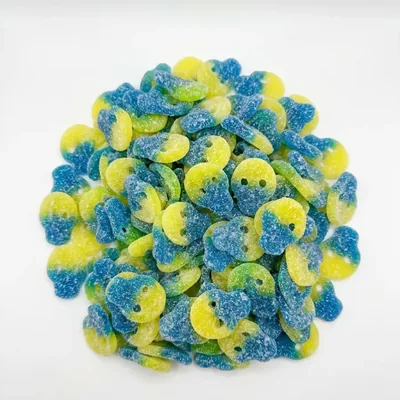
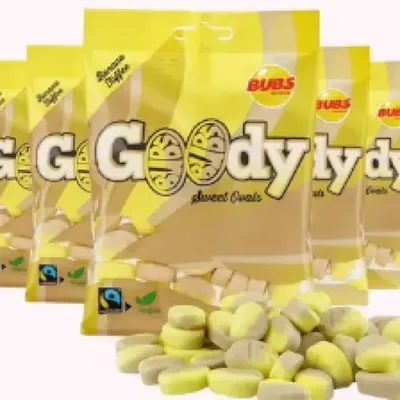
Browse the full range on the catalog, and see our wholesale Swedish candy guide for how the whole buying process fits together.
A note on verifying compliance
This article is a general overview, not legal advice. Labeling expectations can change and can depend on the specific product and how it is sold. Before you finalize a program, confirm the current requirements with the relevant regulatory authority or your own compliance advisor. Our role is to land US-ready product so you are starting from a compliant base, not to replace that verification.
Want candy that arrives shelf-ready? Apply for a wholesale account or start a bulk order. Questions about a specific product's labeling? Get in touch.
Frequently asked questions
Does imported candy need an English label to sell in the US?+
Generally yes. Packaged food sold at US retail is expected to present its key information in English, including the ingredient list and allergen declaration. We prepare US-facing labels so the product arrives shelf-ready.
Do I have to relabel Swedish candy myself?+
Not with us. We import direct and prepare US-facing packaging before shipping, so cases arrive ready to sell and your staff are not stickering packages.
Are allergens declared on your candy?+
Common allergens are expected to be clearly declared on US labels, and because we import direct we can also tell you each product's dietary flags, such as gelatin-free or vegan, so you can answer customer questions with confidence.
Who pays the import duties?+
We do. We ship DDP (delivered duty-paid) from our California warehouse, so duties are settled before the product reaches you and there is nothing to clear at customs.
Is this legal advice?+
No. This is a general overview. Labeling rules can change and vary by product, so verify current requirements with the appropriate authority or your own compliance advisor before finalizing a program.
Keep reading

Gustav Lindqvist · Candy Master
Gustav grew up in Sweden on a strict Saturday-candy schedule, mixing his lördagsgodis bag at the lösgodis wall before he could spell salmiak. He has spent years tasting his way across Scandinavian candy, and now curates the range at TheSweetsTruck, from BUBS sour skulls to the saltiest licorice most people cannot finish.
Last updated 7/27/2026