Imported Candy: A US Buyer's Sourcing Guide
How US retailers source imported candy: why importers exist, what DDP means, FDA labeling, realistic lead times, and the questions to ask a supplier.

Most US shops buy imported candy from an importer who has already landed the product, cleared customs, paid duty and prepared US labeling. That removes the container, the customs broker and the compliance work from your side. The terms to understand are DDP (delivered duty paid), FDA labeling, and lead time on reorders. This is the umbrella guide. If you want the border mechanics specifically, read [importing candy to the US](/journal/importing-candy-to-the-us) and [importing Swedish candy to Canada](/journal/importing-swedish-candy-to-canada). If you want to know who sits where in the chain, read [candy distributor vs importer](/journal/candy-distributor-vs-importer). This piece ties all three together and tells you what to ask before you place a first order.
Why importers exist at all
An overseas candy maker has no interest in becoming a US logistics and compliance company. A US candy shop has no interest in becoming an importer of record. The importer exists to close that gap, and the work sitting in it is real:
Finding and qualifying makers, and buying at volumes they will accept
Ocean freight, insurance and inland transport from the port
Customs entry, tariff classification and duty payment
Preparing packaging and labeling for the US market
Holding inventory on this continent so a shop can reorder one case instead of one container
Any supplier who tells you none of that costs anything is selling you something. The question is not whether the work happens, it is how many margins get stacked on top of it before the case reaches your shelf.
The chain, and where the money goes
Role: What they do: Where their margin comes from
Maker: Produces the candy: Factory gate price
Importer: Buys direct from the maker, freights, clears customs, pays duty, labels, warehouses in the US: Landed cost plus their margin
Distributor: Buys from an importer, holds regional stock, resells broad catalogs to shops: Markup on top of the importer's price
Broker: Arranges a deal without owning the goods: Commission or per-unit fee
Retailer: Sells to the customer: Retail margin
Buying from the importer removes one full layer. That is a pricing argument, not a quality one: a good distributor earns its markup on catalog breadth and delivery speed. Decide which you are actually paying for.
What DDP actually means
DDP stands for Delivered Duty Paid. It is an Incoterms rule, and it defines who carries cost and risk at each point in a shipment. Under DDP, the seller is responsible for getting the goods all the way to the named destination, including export clearance, freight, import clearance and import duties. The buyer's job is to receive them.
The alternatives put more on you:
Term: Who clears customs: Who pays import duty: What lands on the buyer
EXW (Ex Works): Buyer: Buyer: Everything from the factory door onward
FOB (Free On Board): Buyer: Buyer: Ocean freight, entry, duty, inland transport
DAP (Delivered At Place): Buyer: Buyer: Customs entry and duty at arrival
DDP (Delivered Duty Paid): Seller: Seller: Receive the shipment
For a candy shop, the gap between DAP and DDP is the gap between a predictable case cost and an unexpected carrier invoice three weeks after delivery. If a supplier quotes a price, ask which Incoterm it is quoted on before comparing it to anything.
We ship US orders domestically from our Santa Fe Springs, California warehouse, and Canadian orders DDP with duties paid at checkout, so a Canadian shop sees the real total up front.
FDA labeling, in one page
Packaged food sold at retail in the US is generally expected to carry, in English, an ingredient statement, an allergen declaration, a nutrition presentation, a net weight and an identity statement. A pack printed only for its home market usually does not satisfy that on its own.
This is the most common way a cheap import deal turns expensive. If a supplier forwards you foreign retail packs, the relabeling lands on your staff one package at a time, and it is slow. Ask directly: is this case shelf-ready, or am I stickering it?
Two things sit upstream of the label and are worth asking about. Foreign facilities making food for the US are generally expected to be registered with the FDA, and US importers generally carry verification duties for their foreign suppliers under the Foreign Supplier Verification Program. Your supplier should answer both without hesitating. Our FDA candy labeling guide goes deeper. None of this is legal advice, so verify anything compliance-critical with your own authority.
Lead times: there are two clocks
Buyers get this wrong constantly, so it is worth separating.
The container clock. Buying direct from a European factory means production scheduling, consolidation, ocean freight, customs entry and inland transport. It runs in weeks, not days, and every step has variance. You commit cash up front and shelf space to a mix you chose months earlier.
The domestic stock clock. Buying from an importer who already holds inventory in the US means your reorder is a domestic shipment from an American warehouse. Ours ship in 2 business days within the US, and 3 to 5 days DDP to Canada.
This is not about speed for its own sake. A two-day reorder lets you buy small, watch what sells, and adjust. A container makes you guess, and in a category where you do not yet know whether your customers prefer sour skulls or foam mushrooms, guessing is the expensive option. Our candy buying calendar covers planning reorders around seasons.
What to ask a candy supplier
Print this and use it on the first call.
1. Are you the importer of record, a distributor, or a broker? The answer tells you how many margins are in the price.
2. Which Incoterm is your price quoted on? EXW, FOB, DAP and DDP are not comparable numbers.
3. Do cases arrive US shelf-ready, or do we relabel? Ask to see a photo of the actual case label.
4. Can you send the current ingredient and allergen panel for this specific SKU? Not the brand page, the case.
5. Which dietary flags do you hold on this SKU, and which do you not? A supplier who claims every flag on every product is guessing.
6. What is the case weight and how many cases per pallet? You need this for bin planning and freight.
7. Where does it ship from and how fast is a reorder? Domestic stock versus overseas order changes everything.
8. Is there an order minimum? Ours is none. Order by the case, mix and match.
9. How does pricing work, and is it public? Ours is: everyone sees Tier 1 list price on the catalog, and approved accounts can be promoted to better volume tiers.
10. What are the payment terms? We offer NET payment terms to selected partners, based on order history, set per account rather than as a fixed term.
11. Who carries it, and what happens if a case arrives damaged? We ship UPS Ground and UPS Express, with a pallet option for orders of $2,000 or more agreed by email.
If a supplier gets defensive at questions four, five or eleven, that is your answer.
How we are set up
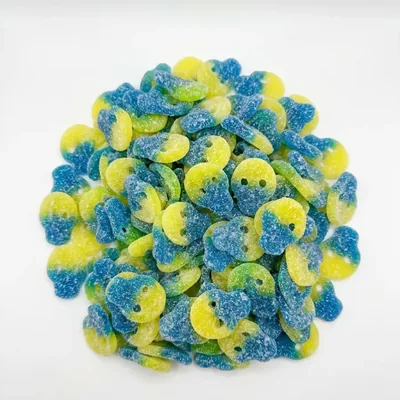
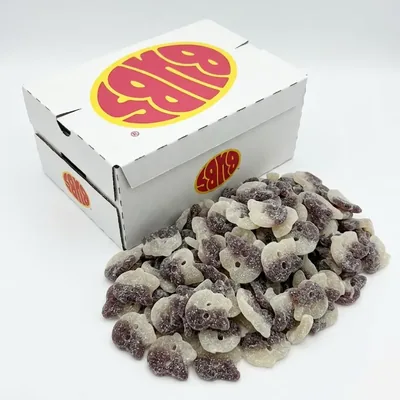
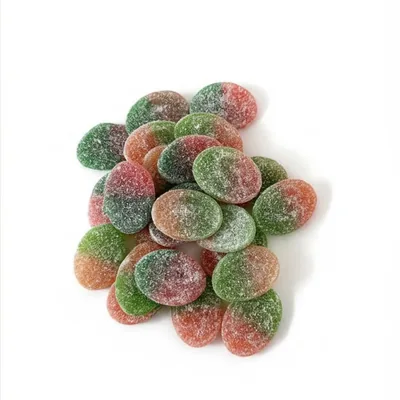
We import direct from makers in Sweden, the Netherlands, Spain, Germany and Italy, warehouse in Santa Fe Springs, California, and sell to retailers across the US and Canada. Wholesale accounts approve automatically when you apply, and there is no order minimum, so a first order can be four cases from BUBS, Matthijs and Vidal while you learn what your customers reach for.
Frequently asked questions
What does DDP mean when buying imported candy?+
DDP stands for Delivered Duty Paid. Under that Incoterm the seller handles export clearance, freight, import clearance and import duties all the way to the named destination. The buyer just receives the shipment. It is the difference between a predictable case cost and a surprise carrier invoice.
Do I need a customs broker to sell imported candy in my shop?+
Not if you buy from an importer who has already landed the goods. We are the importer of record, so the entry, the duty and the labeling are done before the case reaches you. You are buying finished domestic inventory, not starting an import project.
How long does imported candy take to arrive?+
From us, 2 business days within the US and 3 to 5 days DDP to Canada, because the stock is already in California. Buying a container direct from a European factory is a multi-week commitment before you count clearance and inland transport.
What labeling does imported candy need for the US?+
Generally an English ingredient statement, an allergen declaration, a nutrition presentation, a net weight and an identity statement. Foreign-language retail packs are usually not shelf-ready on their own. Ask your supplier whether cases arrive US-labeled or whether your staff will be relabeling them.
Is it cheaper to buy from an importer than a distributor?+
Usually, because a distributor typically buys from an importer and adds its own markup. A good distributor earns that markup on catalog breadth and regional delivery speed. Decide which of the two you are actually paying for before you compare case prices.
Is there a minimum order for wholesale imported candy?+
No order minimum with us. Order by the case, mix and match across brands. Everyone sees public Tier 1 pricing, approved accounts can be promoted to better volume tiers, and NET payment terms are offered to selected partners based on order history.

Gustav Lindqvist · Candy Master
Gustav grew up in Sweden on a strict Saturday-candy schedule, mixing his lördagsgodis bag at the lösgodis wall before he could spell salmiak. He has spent years tasting his way across Scandinavian candy, and now curates the range at TheSweetsTruck, from BUBS sour skulls to the saltiest licorice most people cannot finish.
Last updated 8/23/2026