The Most Sour Candy in the World: An Honest Look at the Extreme End
There is no official scale for sourness. How sour candy is actually measured, why pH alone tells you little, what the extreme-sour novelty market really is, and the mouth irritation caveat.
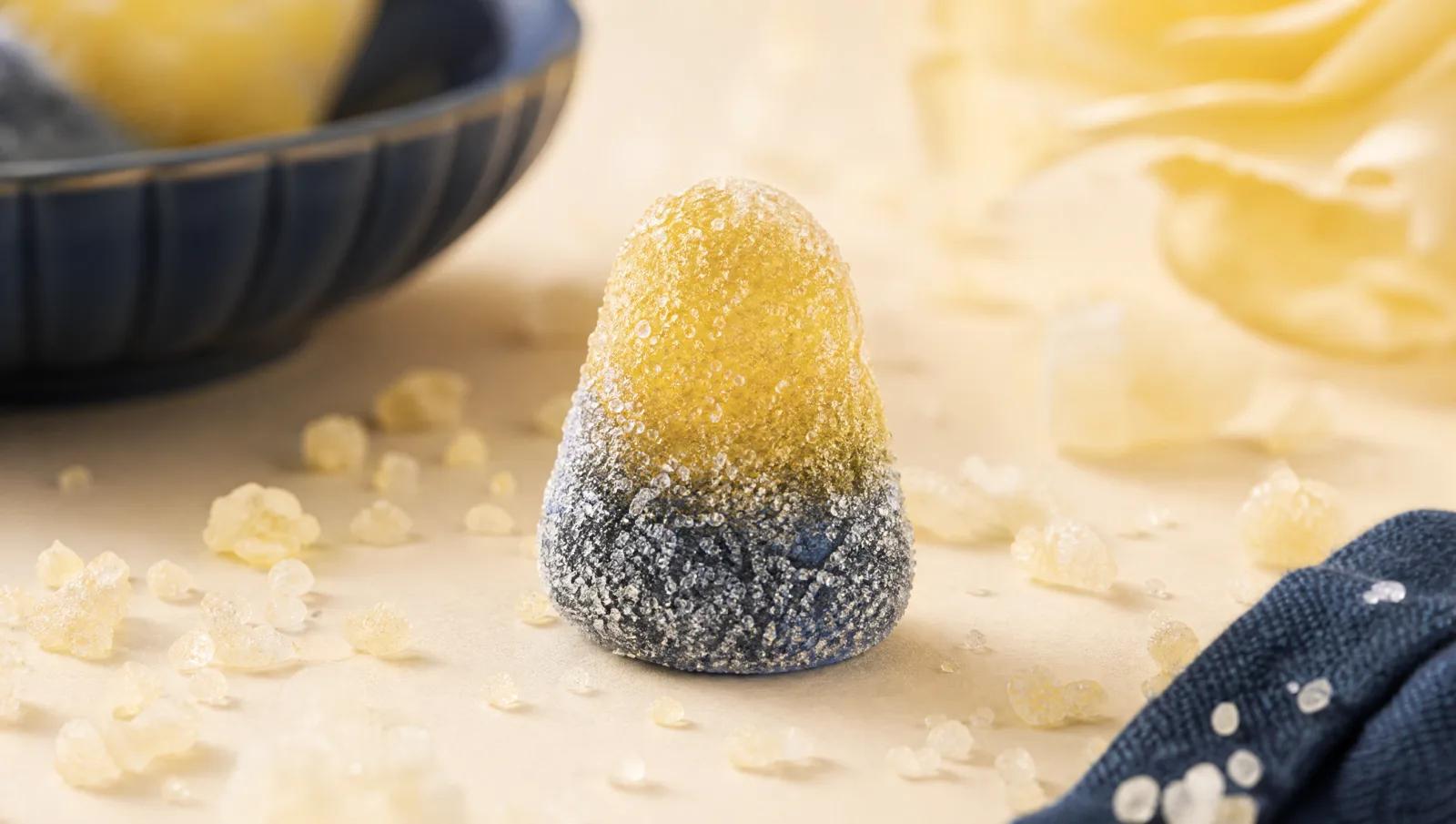
No candy holds an official title for most sour in the world, because there is no agreed scale for sourness the way there is a Scoville scale for heat. Sourness depends on which acid is used, how much of it is on the piece, and how fast it dissolves. Any "world's sourest" claim is marketing, not measurement. We import Swedish and European candy for a living, so we get asked this a lot, usually by someone who wants a specific brand name. What follows is the real answer instead, which is more useful and slightly less fun.
Why "most sour" has no official answer
Chilli heat has a scale because capsaicin is one compound and you can measure how much of it is present. Sourness has no equivalent, because it is produced by a whole family of different acids that behave differently in the mouth, and because the sweetness, salt and flavour sitting alongside the acid change how sharp it reads.
Two candies can carry the same weight of acid and taste nothing alike. One with a heavy sugar sanding around the acid tastes rounder. One with a bare sprayed acid layer and almost no sugar buffering it tastes brutal. Same number on a lab sheet, completely different experience.
So there is no governing body, no certification, and no verified record. When a pack says world's sourest, that is a claim about the packaging, not about the candy.
How sourness is actually measured
There are three real methods, and they answer three different questions.
Method: What it measures: What it tells you: Where it falls down
pH: Concentration of free hydrogen ions in solution: How acidic the candy is at that instant: pH is logarithmic and only counts acid already dissociated, so a weak acid at high dose can taste far sourer than its pH suggests
Titratable acidity: Total acid available, including the part not yet dissociated: Correlates better with perceived sourness than pH does: Requires lab work and still ignores sugar buffering
Sensory panel: Trained tasters scoring intensity: The only measure that reflects the actual eating experience: Subjective, expensive, and not comparable between panels
The practical takeaway: titratable acidity predicts perceived sourness better than pH does. Most food acids in candy are weak organic acids, which means only a fraction of the acid has released its hydrogen ions at any moment, and the rest becomes available as you chew. pH captures the snapshot. Titratable acidity captures the whole magazine.
Acid dissolution speed matters on top of both. Fumaric acid is strong per gram but slow to dissolve, so it delivers a long tail rather than a spike. Tartaric and citric dissolve fast and hit immediately. A candy engineered for shock value uses the fast acids. A candy engineered to stay sour for a minute uses the slow ones.
What the extreme-sour market actually is
The extreme end of sour candy is a novelty category, and we mean that descriptively rather than as an insult. It is built around a dare. Small tins, small pouches, loud packaging, a challenge on the front, and a price per pound that only works because nobody eats much of it.
We do not import that tier, so we are not going to rank other people's products by name. We have not tested them and we cannot verify what is in the coating, and guessing in public is how misinformation gets started.
What we can tell you is how it behaves in a shop, because we have watched retailers run it:
Trial rate is high, repeat rate is low. People buy it once for the video, then buy something they actually enjoy eating.
It sells to a narrow age band. Overwhelmingly teenagers and young adults, often as a group activity.
It does not build a category. A dare product next to your sour bins does not lift the sour bins. It sits in its own little world by the register.
It is a merchandising item, not a volume item. One facing, high visibility, small stock depth.
If you are stocking a sour section that has to earn its shelf space week after week, the money is in the middle of the sour range, not the extreme end. Our bulk sour candy guide covers what that middle actually looks like in cases.
The caveat nobody puts on the front of the pack
Highly acidic candy has two documented issues, and they are worth stating plainly and without drama.
Enamel. Acid lowers the pH in your mouth, and dental research has long treated frequent exposure to highly acidic foods as a contributor to enamel erosion, separately from the sugar question. Holding an acidic candy in your mouth for a long time is the worst version of this.
Soft tissue. Eating a lot of extreme sour candy in one sitting can irritate the tongue and the inside of the cheeks. Sore spots and a raw feeling are a common report, and the mechanism is straightforward: concentrated acid held against soft tissue.
We are candy importers, not clinicians, so that is where our comment ends. If you have a specific concern about your own mouth or your child's, ask a dentist or a doctor rather than a candy blog.
What "the sourest" looks like in a Nordic range
Swedish and European sour candy sits mostly in the middle of the sour spectrum by design. The tradition is fruit-forward with a sharp edge rather than acid-forward with a fruit label, which is a genuine difference in intent and not just a difference in dose.
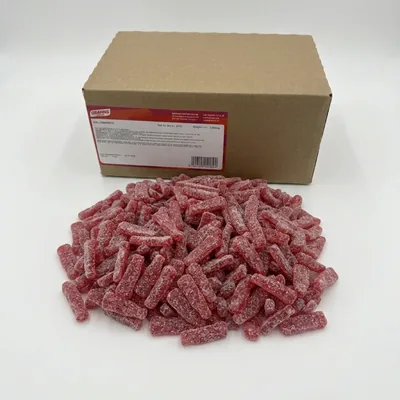
Within our own range, the sharpest things we handle are the concentrated small formats and the heavily coated pieces: Hallonshots, which are dense raspberry sour shots, the S-Märke sour lines, and Candy People Super Sour. Calling any one of those the sourest is a matter of taste, and we would rather say that than pretend we have a lab number.
Frequently asked questions
What is the most sour candy in the world?+
There is no verified answer, because sourness has no agreed measurement scale. Products marketed as the world's sourest are making an advertising claim, not citing a standard. Perceived sourness depends on which acid is used, how much is on the piece, how fast it dissolves, and how much sugar is buffering it.
Is there a Scoville scale for sour candy?+
No. Chilli heat can be scaled because it comes from one compound, capsaicin. Sourness comes from many different acids that behave differently in the mouth, so no single number captures it. Labs use pH and titratable acidity for different purposes, and neither is a consumer-facing rating.
Does a lower pH mean a candy is more sour?+
Not reliably. pH measures only the acid that has already released its hydrogen ions, and most candy acids are weak organic acids where much of the acid is still held in reserve. Titratable acidity, which measures the total acid available, tracks perceived sourness more closely than pH does.
Can extreme sour candy hurt your mouth?+
Eating a lot of it in one sitting can irritate the tongue and cheeks, and acidic foods generally are treated in dental research as a factor in enamel erosion. Those are documented issues rather than scare stories. We are importers, not medical professionals, so ask a dentist about your own case.
Which acid makes candy the most sour?+
No single one. Tartaric and malic acid taste sharper than citric at the same dose, and fumaric acid is strong per gram but slow to dissolve, which reads as long rather than intense. Most sour candy uses a blend so that one acid delivers the opening and another holds the tail.
Do you sell extreme sour candy?+
Not the novelty dare tier. Our sour range is Swedish and European, fruit-forward with a real sour edge, sold by the case for shops and pick and mix walls. The sharpest lines we carry are the shot formats and the heavily coated bulk cases rather than anything sold as a challenge.

Gustav Lindqvist · Candy Master
Gustav grew up in Sweden on a strict Saturday-candy schedule, mixing his lördagsgodis bag at the lösgodis wall before he could spell salmiak. He has spent years tasting his way across Scandinavian candy, and now curates the range at TheSweetsTruck, from BUBS sour skulls to the saltiest licorice most people cannot finish.
Last updated 8/23/2026