Sugar Free Sour Candy: What Replaces the Sugar, and the Caveat
Sugar free sour candy uses sugar alcohols plus a high intensity sweetener, with acid moved into the mass. The digestive caveat stated plainly, and what to tell customers.
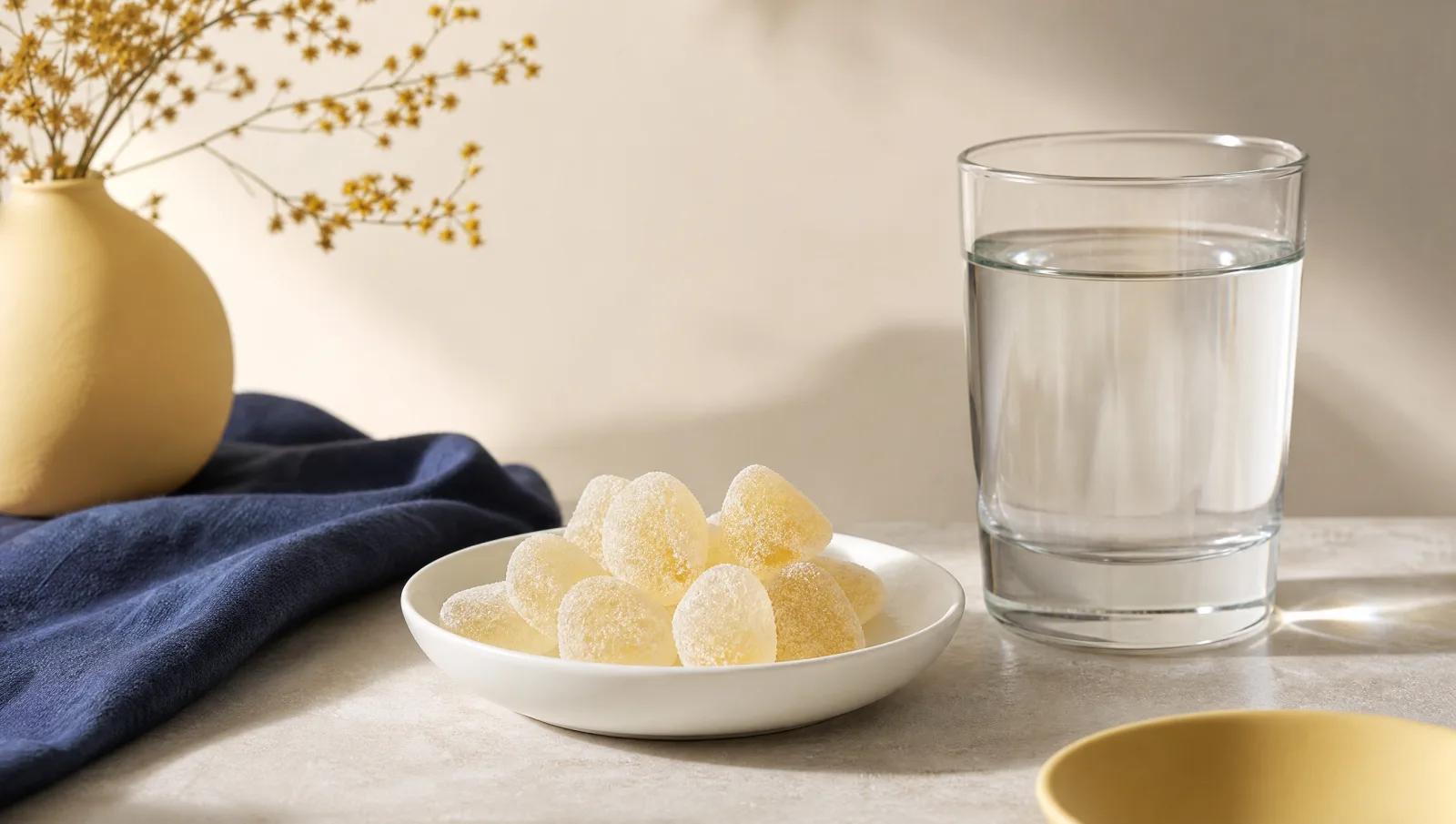
Sugar free sour candy replaces sucrose and glucose syrup with sugar alcohols, usually maltitol, isomalt or sorbitol, plus a high intensity sweetener to restore the sweetness. The sour coating is the hard part, because that coating is normally sugar, so the acid often moves into the piece instead. We do not carry a sugar free line. We would rather say that last sentence at the top than bury it. Everything we import is conventional sugar confectionery. What follows is the technical answer for anyone sourcing sugar free elsewhere, plus the one caveat every counter should be able to state in a single sentence.
Sugar does three jobs in a sour candy
Removing sugar from candy is not a substitution, it is a rebuild, because sucrose and glucose syrup are doing more than tasting sweet.
Bulk. Sugar is most of the weight and most of the volume of the piece. Take it out and something has to fill the space, which is why an intense sweetener alone is never enough.
Structure. In a gummy, sugar and syrup control water activity and how the gel sets and holds. In a boiled sweet, sugar is the glass itself.
The coating. This is the one people forget. In a sanded sour, the acid is carried on a bed of fine sugar crystals that stick to the outside of the piece. No sugar, no sanding, and no sanding means no front-loaded sour hit. The mechanics of that coating are in how sour candy works.
What replaces it
Sugar alcohols, also called polyols, do the bulking. A high intensity sweetener tops up the sweetness that the polyol does not supply.
Sweetener: Sweetness vs sugar: Energy, EU labelling: Where it shows up in sour candy: Notes
Maltitol: 0.75 to 0.9: 2.4 kcal/g: Soft pieces and chews, usually as maltitol syrup: The closest handling match to glucose syrup
Isomalt: 0.45 to 0.6: 2.4 kcal/g: Boiled hard sours, and as a sanding base: Very low moisture pickup, so coatings hold up
Sorbitol: 0.5 to 0.6: 2.4 kcal/g: Humectant in soft pieces, pressed pastilles: Among the more laxative of the group
Xylitol: About 1.0: 2.4 kcal/g: Pastilles and gum: Cooling mouthfeel. Toxic to dogs, see below
Erythritol: 0.6 to 0.8: 0 kcal/g in the EU: Dusting and bulking: Best tolerated. Mostly absorbed and excreted unchanged
Steviol glycosides, sucralose: 200 to 600 times: Negligible: Top-up sweetness only: No bulk at all, so never used alone
Two labelling notes. Energy factors differ by jurisdiction: the EU uses a flat 2.4 kcal/g for polyols and declares erythritol at zero, while the FDA assigns individual values and puts erythritol at about 0.2 kcal/g. And "sugar free" is a regulated claim in the US with a specific threshold, so an imported bag that reads "sugar free" under EU rules is not automatically compliant on a US shelf. We touched on the labelling gap in FDA candy labeling.
The coating problem, and how it is solved
Sanding a sugar free piece is genuinely awkward. The usual routes are:
Isomalt or erythritol sanding. Both crystallise well enough to build a coating. Erythritol brings a cooling sensation that can read as odd against a warm flavour like cola, and isomalt is less sweet, so the coating tastes more purely acidic than a sugar one.
Acid in the mass. Move the acid inside the piece and skip the coating altogether. This works, but it changes the product: the sour is milder, slower and more even, with none of the crunchy front-loaded hit that a sanded sour is bought for.
A polyol dust with an anti-caking agent. Fine powder rather than crystals. Intense, but the dustiest and most moisture-sensitive option of the three.
The practical result is that sugar free sours usually taste different rather than worse. Expect a longer, smoother sourness and a less dramatic first second, and expect the texture to be slightly firmer or slightly waxier depending on which polyol did the bulking.
The caveat, stated plainly
Sugar alcohols are poorly absorbed in the small intestine. What is not absorbed passes into the colon, draws water in, and is fermented by gut bacteria. In practice that can mean gas, bloating, cramping or a laxative effect, and how much it takes varies a great deal from person to person.
This is not a fringe concern or a marketing scare. European labelling rules require the statement "excessive consumption may produce laxative effects" on products containing more than 10 percent polyols, which is essentially every sugar free candy on the market. Sorbitol and maltitol are the usual culprits. Erythritol is the outlier, because most of it is absorbed and passed out in urine rather than reaching the colon, so it is generally better tolerated at the same dose.
Two more things worth saying without dressing them up. Sugar free is not calorie free, since polyols still carry roughly 2.4 kcal per gram in EU terms. And sugar free is not acid free: the food acid that makes a sour candy sour still softens tooth enamel whether or not there is sugar in the piece.
We are candy importers. We are not doctors, dentists or dietitians, and nothing on this page is medical or dietary advice. Anyone with a medical reason to avoid sugar should be getting their guidance from a clinician, not from an importer's blog.
What to tell customers at the counter
If you stock sugar free, train one honest sentence and use it every time: "It is sweetened with sugar alcohols instead of sugar, it still has calories and acid in it, and some people find a large amount upsets their stomach."
That sentence prevents almost every complaint you would otherwise get. A few things to avoid alongside it:
Do not call it healthy, or diet candy, or imply anything about weight. That is a health claim and it is not yours to make.
Do not call it diabetic candy. The term is regulated, misleading, and long out of favour.
Do not shelve it as the "safe" option next to the sour wall without the caveat sign.
Keep xylitol products away from anywhere a dog might reach, and tell customers with dogs. Xylitol is genuinely dangerous to dogs even in small amounts. We covered the related licorice question in is licorice safe for dogs.
We do not carry a sugar free line
Every case we import is conventional sugar and glucose syrup confectionery. There is no sugar free or reduced sugar SKU in our catalogue, no plan to add one this year, and we will not pretend otherwise to keep an order. If a sugar free section is a requirement for your shelf, source it from a specialist and keep us for the pick-and-mix wall. The same answer applies on the licorice side, which we set out in sugar free licorice candy, and the sugar numbers for what we do carry are in sugar content in Swedish candy.
What we can support are the dietary flags our supplier data actually carries: gluten-free, halal, vegan, vegetarian and gelatin-free, SKU by SKU. In our experience a good share of "do you have sugar free" questions at the counter are really vegan, gelatin-free or gluten-free questions wearing the wrong label, and those we can answer with paperwork.
The flags we can actually support
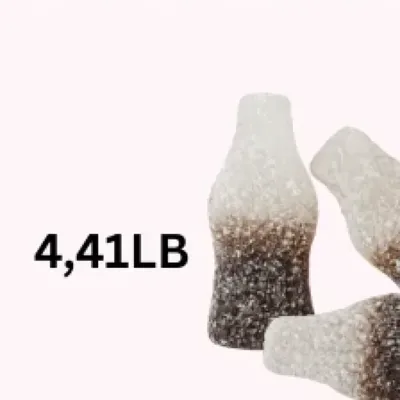
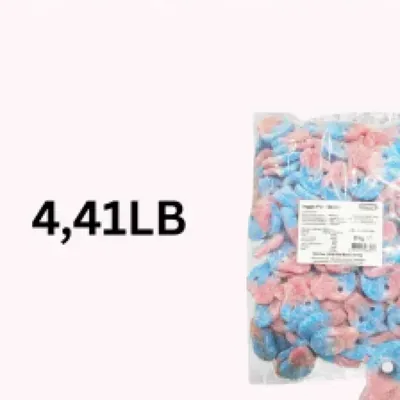
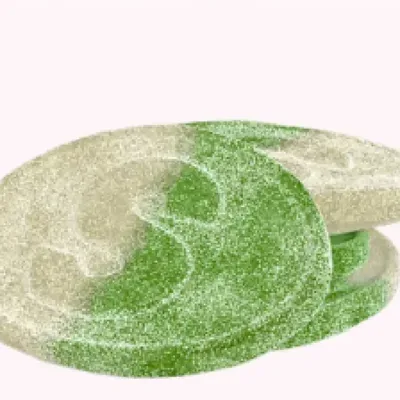
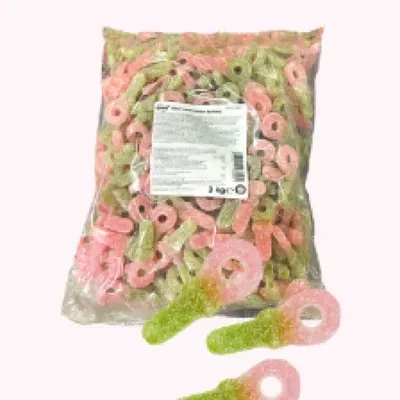
Read those carefully. Both Matthijs cases are flagged gluten-free, halal, vegan and vegetarian, so they are the ones to put a gluten-free shelf talker on. The S-Märke sour apple and the Sura melon pacifiers are flagged halal and vegan, but they do contain wheat, so they are not gluten-free and must not be signed as such. None of the four is sugar free.
Frequently asked questions
What is sugar free sour candy made of?+
Sugar alcohols such as maltitol, isomalt, sorbitol, xylitol or erythritol provide the bulk, and a high intensity sweetener such as steviol glycosides or sucralose restores the sweetness. The sour comes from the same food acids used in ordinary sour candy: citric, malic, tartaric or fumaric.
Is sugar free sour candy actually better for you?+
That is not a question we are qualified to answer, and it depends entirely on the person. What we can say factually is that it is not calorie free, polyols upset some people's digestion, and the acid that makes it sour still affects tooth enamel regardless of sugar content. Ask a clinician about your own situation.
Why does sugar free sour candy taste less sour at first?+
Because a conventional sour gets its opening hit from a sugar-based sanding, and without sugar that coating has to be rebuilt from isomalt or erythritol, or skipped entirely by moving the acid into the piece. The usual result is a milder, slower and longer sourness.
Why do sugar free sweets upset some people's stomachs?+
Sugar alcohols are poorly absorbed in the small intestine, so they reach the colon, draw in water and get fermented by gut bacteria. That can cause gas, bloating or a laxative effect. EU labels carry a warning above 10 percent polyols. Erythritol is generally the best tolerated.
Do you sell sugar free sour candy wholesale?+
No. We do not carry any sugar free or reduced sugar line in any category. Everything we import is conventional sugar confectionery, and we would rather tell you plainly than have you discover it after the case ships.
What should I tell a customer who asks for sugar free?+
Ask what is behind the question first. If it is a vegan, gelatin-free or gluten-free requirement, we can answer it with supplier documentation on specific SKUs. If it is genuinely sugar, point them to a sugar free specialist, and mention the polyol caveat before they buy a large bag.

Gustav Lindqvist · Candy Master
Gustav grew up in Sweden on a strict Saturday-candy schedule, mixing his lördagsgodis bag at the lösgodis wall before he could spell salmiak. He has spent years tasting his way across Scandinavian candy, and now curates the range at TheSweetsTruck, from BUBS sour skulls to the saltiest licorice most people cannot finish.
Last updated 8/23/2026