Super Sour Candy: What It Is, Who Buys It, and How to Stock It
What separates super sour candy from ordinary sour, how the high-acid tier is built, who actually buys it, and what retailers need to know before giving it shelf space.
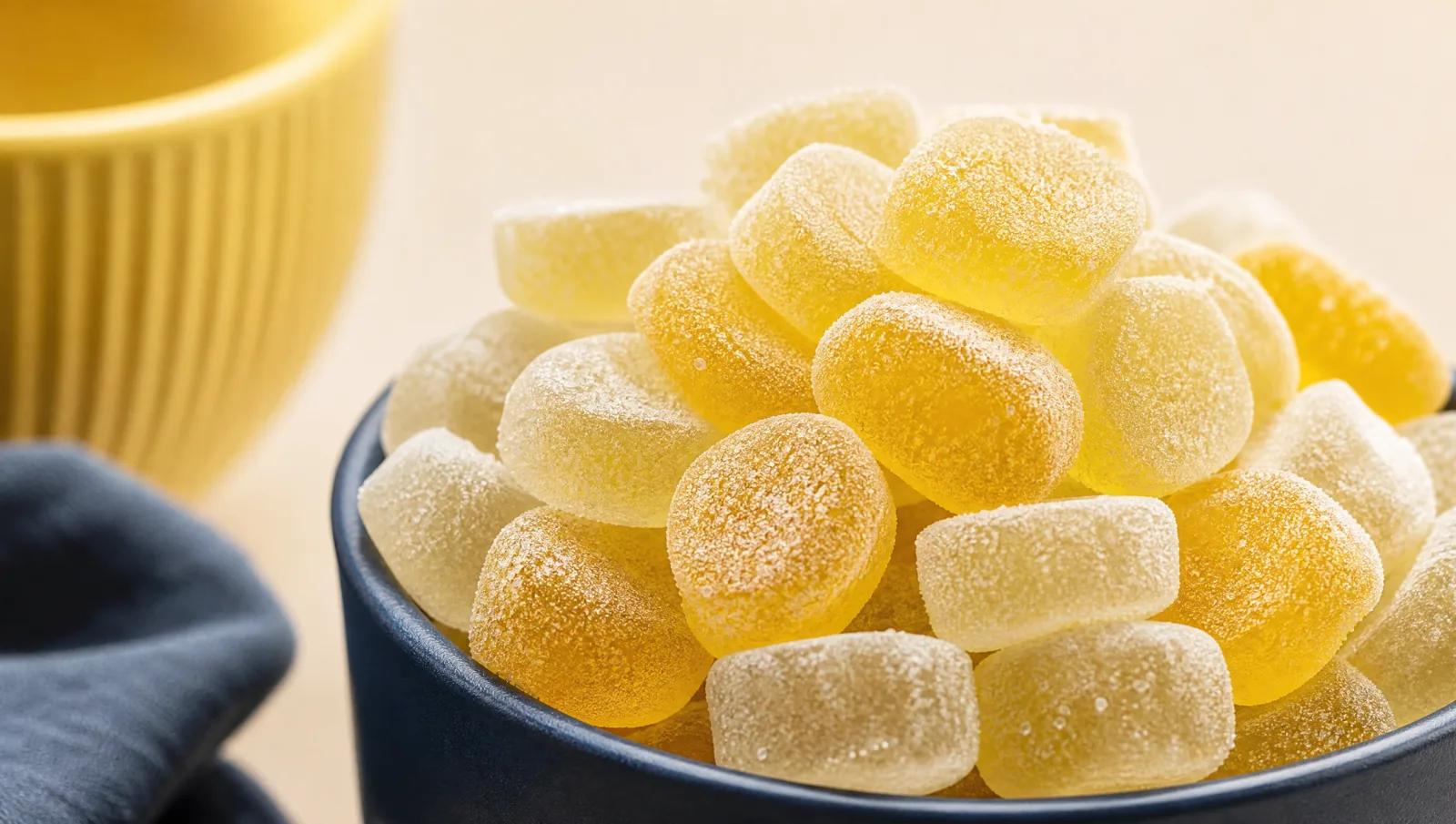
Super sour candy is the high-acid tier of the sour category: more acid on the piece, usually in a sprayed or lightly sugared coating rather than a heavy sanding, so less sugar buffers the hit. It is a real product tier rather than pure marketing, but it sells on intensity and novelty, which changes how it behaves on a shelf. We import sour candy into California and it is the largest part of our range, so this is written from the buying and stocking side. If you want the chemistry of sour in general, our [sour candy guide](/journal/sour-candy-guide) covers the acids. This piece is about the sharp end and what it means commercially.
What actually makes a candy super sour
Three levers, and producers pull them in combination.
More acid on the piece. The obvious one. A higher acid load in the coating, in the body, or both.
Less sugar in the coating. This is the lever people miss. A classic sanded sour coating is mostly sugar with acid mixed through it, and that sugar rounds off the acid as it dissolves. Strip the sugar back and spray a finer, more concentrated acid layer and the same weight of acid tastes dramatically sharper.
A faster acid blend. Tartaric and citric acid dissolve quickly and hit immediately. Fumaric and adipic dissolve slowly and hold longer. A blend weighted toward the fast acids reads as an assault. One weighted toward the slow acids reads as a long sourness. Super sour lines usually lead with the fast acids and back them with a slow one so the sensation does not fall off a cliff.
There is a fourth lever that is not really about acid at all: shape. Small, dense, high surface area pieces carry more coating per gram than large ones. That is why a sour shot out-sours a big XL piece coated with exactly the same material.
Super sour versus extreme sour
These get lumped together and they are not the same commercial product.
: Super sour: Extreme sour novelty
Purpose: A sharper version of a candy you would eat a handful of: A dare, usually eaten once
Format: Bulk cases, pick and mix bins, standard bags: Small tins and pouches
Repeat purchase: Regular, from a real fan base: Low, driven by novelty
Shelf role: Part of a working sour section: A standalone impulse item near the register
Price per pound: In line with the rest of the category: Much higher
We stock the first column and not the second. Our look at the extreme end explains why, and why nobody can actually verify a "world's sourest" claim.
Who buys super sour candy
From what we see moving through retail accounts, the buyer profile is narrower than the general sour buyer but more loyal.
Teenagers and young adults are the core, and they buy it socially rather than alone.
Adults who already like sour trade up into it deliberately, and they are the repeat customers that make it worth stocking.
Parents buying for children almost never choose it unprompted, and will often ask you which of your sour lines is the mild one.
Event and party buyers take it in small quantities as a talking point rather than as volume.
The practical consequence is that super sour is a second sour purchase, not a first one. Someone has to like sour candy before they go looking for sharper sour candy. A shop with one super sour bin and no mild sour options is selling to the small end of the funnel only.
Retail considerations
Give it one facing, not three. It is an intensity tier, not a flavour range. Customers who want it will find it. Customers who do not want it will not be converted by more of it.
Label the intensity, not just the flavour. A small sign saying "very sour" next to the bin does more for your sour section than another SKU does. It lets cautious buyers pick confidently from the milder bins instead of avoiding the whole wall.
Watch the moisture. High-acid coatings are hygroscopic, which means they pull water out of the air faster than a sugar-heavy sanding does. Super sour lines go tacky sooner in an open bin than ordinary sour ones. Keep lids on, keep the room dry, and rotate the sour bins ahead of everything else. Our notes on shelf life and shrinkage and waste go further.
Sampling changes the maths. Super sour is one of the few categories where a taste sample reliably converts, because the product is genuinely different from what the customer expects and cannot be understood from the packaging. If you run samples anywhere, run them here.
Margin sits with the rest of the category. In bulk cases, super sour lines price in line with ordinary sour, so there is no premium to chase. The reason to stock it is range completeness and the loyalty of the people who want it, not a better markup. How to price Swedish candy covers the numbers properly.
The super sour lines we carry
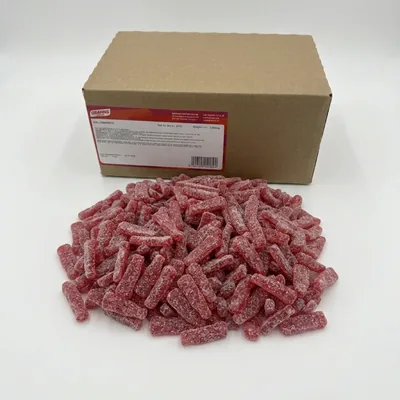
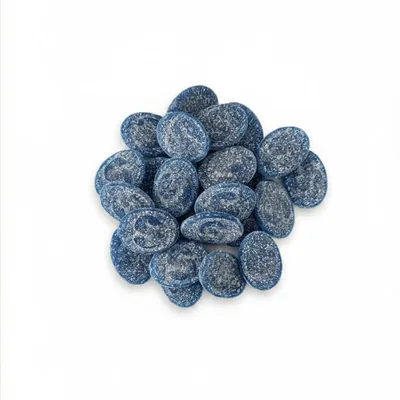
Candy People Super Sour is the most literal answer in our range, a 4.4 lb case built for the tier. Hallonshots sits alongside it, dense raspberry sour shots where the shape does as much work as the coating. The S-Märke sour range is our sharper bulk gummy, in apple, blue raspberry, strawberry and blackcurrant, all listed vegan. Mormor Lisa Badge Sour Fizzy adds carbonate fizz to the acid, which is a different kind of intensity again.
Frequently asked questions
What is the difference between sour and super sour candy?+
Acid load and how it is delivered. Super sour lines carry more acid and usually less sugar in the coating, so there is less buffering between the acid and your tongue. The acid blend is often weighted toward fast-dissolving acids too, which makes the hit arrive immediately rather than building.
Is super sour candy just marketing?+
The tier is real, though the wording is unregulated. A genuinely high-acid line tastes measurably different from a standard sour one, and the difference comes from coating composition rather than from the label. What is marketing is any claim to be the sourest anywhere, since no agreed scale for sourness exists.
Who is super sour candy aimed at?+
Mostly teenagers and young adults, plus adults who already like sour candy and are deliberately trading up. It is almost never a first sour purchase. In a shop, it works as one clearly signed bin inside a wider sour section rather than as the whole section.
Should a candy store stock super sour candy?+
One line, clearly labelled as very sour, is usually worth it. It completes the range and has a loyal small following. More than one is hard to justify unless your customer base skews young, because customers cannot distinguish between two high-intensity lines and will buy whichever is closest.
Does super sour candy go stale faster?+
The coating degrades faster rather than the candy going stale. High-acid coatings absorb atmospheric moisture quickly, and once they do the grit dissolves and the sourness drops off. Sealed cases in a cool dry room hold for months. An open bin in a humid shop loses its edge in weeks.
Is super sour candy safe to eat?+
Acidic candy is a documented factor in enamel erosion, and eating a lot of high-acid candy in one sitting can irritate the tongue and cheeks. Those are general points, not advice about you. We are importers rather than clinicians, so ask a dentist if you have a specific concern.

Gustav Lindqvist · Candy Master
Gustav grew up in Sweden on a strict Saturday-candy schedule, mixing his lördagsgodis bag at the lösgodis wall before he could spell salmiak. He has spent years tasting his way across Scandinavian candy, and now curates the range at TheSweetsTruck, from BUBS sour skulls to the saltiest licorice most people cannot finish.
Last updated 8/23/2026