Swedish Candy vs Haribo & German Gummies (a Retailer's Comparison)
Swedish candy vs Haribo: how flavor, texture, and diet differ (many Swedish lines are vegan and gelatin-free), and why retailers stock both.
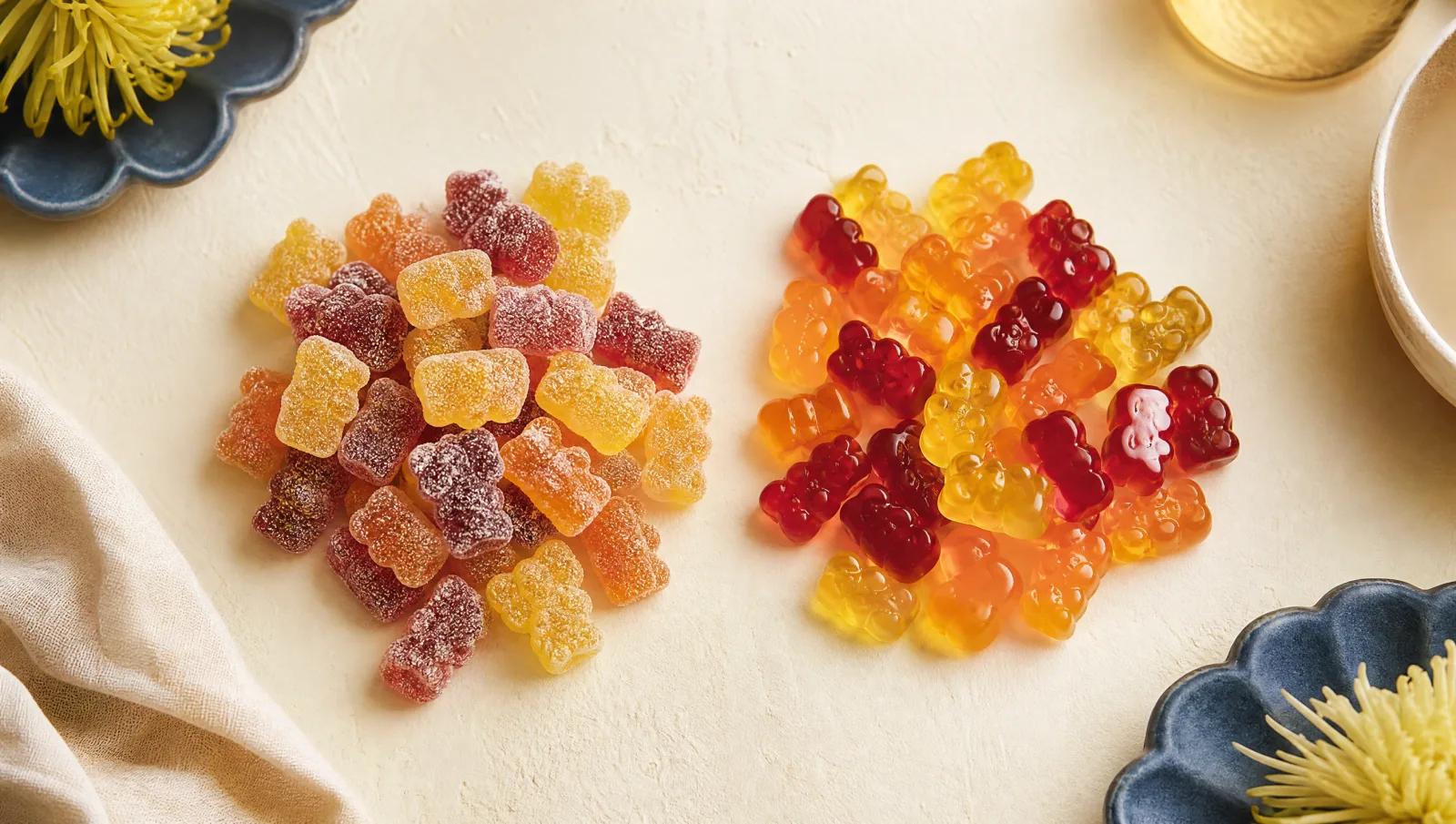
Swedish candy and Haribo overlap as fruity gummies but differ in flavor, texture, and diet. Swedish lines lean on real-fruit and sour foam-and-gum pieces, and a large share are vegan and gelatin-free. German chews like MAOAM have a firmer bite, and our MAOAM Bubblegum contains gelatin. Most retailers stock both to cover every shopper.
We ran candy shops in Sweden before we started importing, and "is Swedish candy just Haribo?" is a question we field constantly from buyers. The honest answer is no, they are different products that sell to overlapping shoppers, and we carry both so a retailer can position them side by side. Here is how they compare on the things that matter behind the counter. For the full category, our wholesale Swedish candy guide is the pillar.
Flavor profile
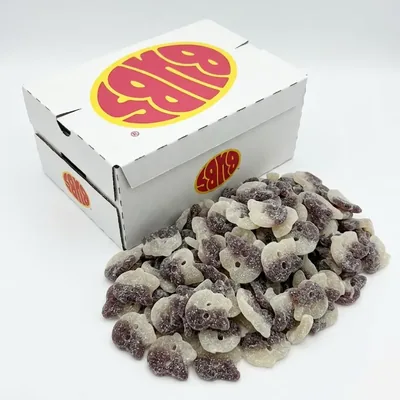
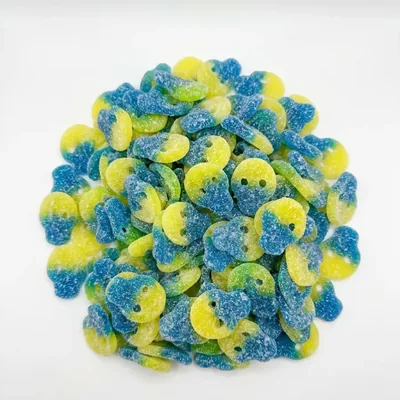
Swedish candy is built around distinctive, often sour, single-fruit flavors and a foam (skum) tradition you do not find in a German bag. Think tart raspberry, cola, and berry pieces with a sour sugar coating, plus the salty licorice notes that define the wider category. BUBS skulls and S-Marke sour discs are the clearest example of that Swedish sour-and-foam house style, and Matthijs skulls sit in the same lane.
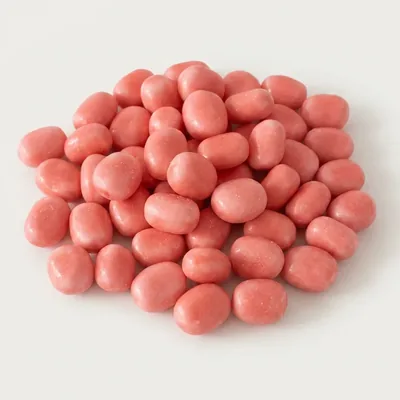
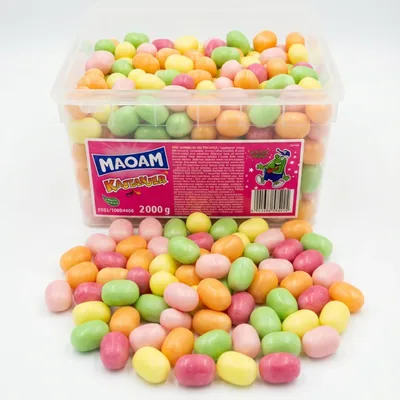
The German fruit chew is a different flavor experience: a sweeter, more uniform fruit profile with a bubblegum and cola thread running through it. Our German-style chews are the Happy Chews, the Happy Chews Cola, and the MAOAM Bubblegum Happy Chews, all from Haribo. They are the reliable, crowd-pleasing side of the shelf, where Swedish sours are the adventurous side.
The other flavor divide is licorice. Salty and sweet licorice runs deep in the Swedish and wider Nordic tradition and is largely absent from the German chew aisle, so a Swedish set carries a note the Haribo side does not. That is a real point of difference for a shopper hunting something new, and it is part of why we treat Swedish candy as a discovery category rather than a straight swap. Our Swedish candy vs American candy piece makes a similar point against the US aisle.
Texture
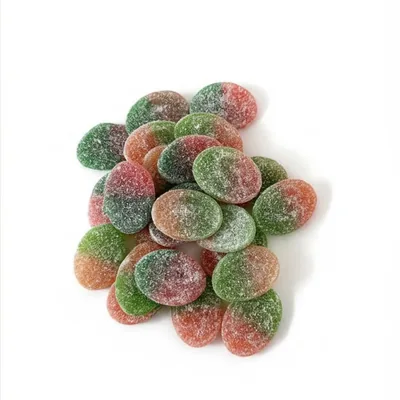
Texture is where the two really separate. The signature Swedish piece is a foam-and-gum build: a soft, airy skum base under a chewier gummy top, as in BUBS Cola Skulls and Matthijs Swedish Skulls. Swedish sour discs like S-Marke Sour Strawberry add a firm, clean chew with a sour coating. The range of mouthfeels across a Swedish set is wide.
The German chew is a firmer, denser, more elastic bite by design, meant to be chewed rather than dissolved. That is a feature, not a flaw: plenty of shoppers specifically want that classic chew, which is exactly why we keep MAOAM Bubblegum Happy Chews in the range. If you want more on the Swedish gummy textures, see Swedish gummy candy, and for the German chews specifically, our MAOAM candy guide.
Stock both sides of the shelf
Dietary breadth
This is the biggest commercial difference, and the one buyers most often miss. A large share of the Swedish lines we carry are vegan and gelatin-free, which opens natural-grocery, plant-based, and allergen-conscious accounts that a gelatin gummy cannot serve. BUBS Cola Skulls are vegan and gelatin-free, the Matthijs skull range is gluten-free, halal, vegan, and vegetarian, and the S-Marke sour discs are vegan and halal.
The German chews sit differently on diet. Our MAOAM Bubblegum Happy Chews contains gelatin, so it is not a vegan SKU. That is not a knock on the product, it is just a merchandising fact: if a shopper asks for vegan or gelatin-free, you point them at the Swedish wall, and if they want the classic chew, you point them at the German side. Carrying both means you rarely lose a sale on a diet question. If vegan is a focus for your store, our vegan Swedish candy roundup lists the lines to lead with.
Retail positioning
Swedish candy earns a premium slot: it is a story-driven, distinctive category shoppers will pay up for, so it belongs at eye level as the "discovery" set. The German chews are the familiar, value-forward anchor that reassures a hesitant buyer. We generally advise merchandising them near each other, Swedish sours and foam pieces as the hero, Haribo-style chews as the everyday pick, so the display captures both the shopper who wants something new and the one who wants what they already know.
If a customer is specifically after a "Haribo alternative," the Swedish wall is your answer, and it is usually a trade up rather than a like-for-like swap. You are offering a wider set of textures, a sour and foam range the German bag does not have, and a vegan or gelatin-free option for shoppers who cannot eat the classic chew. Pricing the two sets so the Swedish pieces carry a small premium over the German chews reflects that difference and protects your margin on the discovery category.
Because we import direct and ship from our Santa Fe Springs, California warehouse with US labels and duties paid, you can mix Swedish and German lines in one case-by-case order across the catalog or by brand, with no order minimum. Import-direct pricing means the case costs land under most US distributors on both sides of the shelf.
Ready to stock both sides of the shelf? Apply for a wholesale account or start a bulk order. Not sure how to split the assortment? Get in touch.
Frequently asked questions
Is Swedish candy the same as Haribo?+
No. Swedish candy leans on sour, real-fruit, and foam (skum) pieces with a wide texture range, and a large share is vegan and gelatin-free. Haribo and German chews like MAOAM are firmer, sweeter fruit chews, and our MAOAM Bubblegum contains gelatin.
Which is better for a vegan or gelatin-free shopper?+
The Swedish lines. BUBS is vegan and gelatin-free, Matthijs is gluten-free, halal, vegan, and vegetarian, and S-Marke sour discs are vegan and halal. Our MAOAM Bubblegum Happy Chews contains gelatin, so it is not a vegan option.
Should a retailer stock Swedish candy or Haribo-style chews?+
Both, in most cases. They serve overlapping but different shoppers: Swedish sours and foam pieces are the premium discovery buy, while German chews are the familiar value anchor. Carrying both lets you answer almost any request.
What is the texture difference?+
Swedish pieces are often a soft foam base with a chewier gummy top, plus firm sour discs, so the mouthfeel varies a lot. German chews are a denser, more elastic classic chew meant to be chewed rather than dissolved.
Do you carry both Swedish and German candy?+
Yes. We import both and ship from California, so you can build one mixed, case-by-case order that covers the Swedish sour and foam wall and the German-style chews together, above no order minimum.
Keep reading

Gustav Lindqvist · Candy Master
Gustav grew up in Sweden on a strict Saturday-candy schedule, mixing his lördagsgodis bag at the lösgodis wall before he could spell salmiak. He has spent years tasting his way across Scandinavian candy, and now curates the range at TheSweetsTruck, from BUBS sour skulls to the saltiest licorice most people cannot finish.
Last updated 7/19/2026