The Best Licorice Candy: An Honest Ranking by Style
The best licorice candy depends on which tradition you want. For depth and complexity, Nordic and Dutch licorice built on real root extract beats everything else. For an easy first bite, Dan
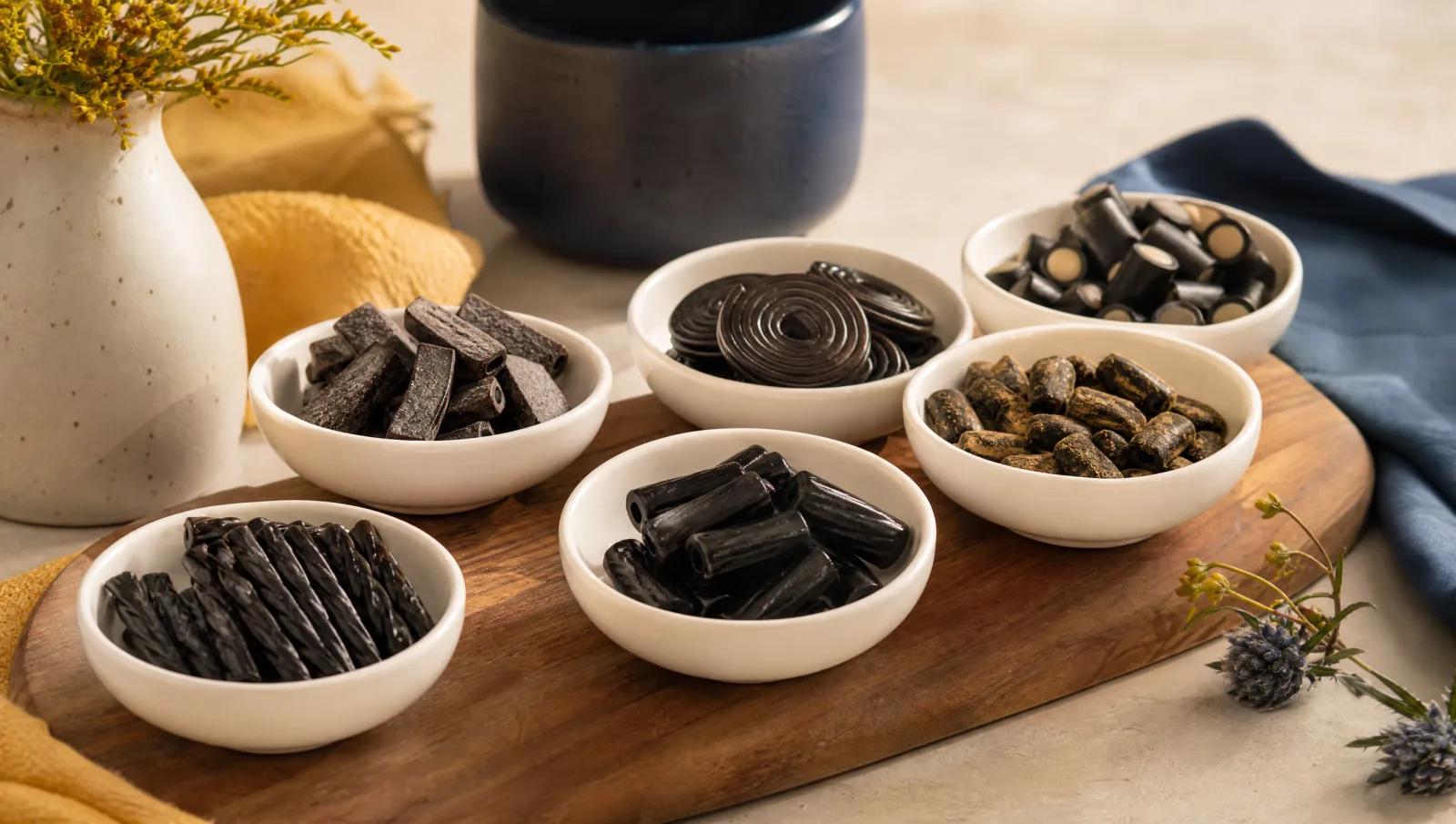
The best licorice candy depends on which tradition you want. For depth and complexity, Nordic and Dutch licorice built on real root extract beats everything else. For an easy first bite, Danish coated licorice wins. American ropes are the sweetest and mildest. Salty salmiak is the most rewarding and the most divisive.
How we are ranking this
There is no objective best licorice, and anyone who tells you otherwise is selling one brand. What can be ranked is style: how much real licorice extract is in there, how the texture is built, and who each style actually suits. Everything below that is preference, and we will flag which is which.
We import candy into California for a living, so we will also be blunt about our own shelf. Our current range is fruit and sour led. We do not import black salty licorice into the US at the moment, and this article is not going to pretend otherwise.
The ranking
1. Nordic salty licorice (salmiakki, salmiak, saltlakrits)
Fact: it contains the most ammonium chloride of any style, and usually real root extract rather than anise flavouring. Taste: it is the most interesting thing in the category, saline then sharp then drying, with a savoury finish that no other candy delivers. It is also the fastest way to lose a customer who was expecting a gummy bear. Best for adults, Nordic expats, and anyone who already likes bitter coffee or amaro. Our is salty licorice an acquired taste piece is the honest introduction.
2. Dutch drop
Fact: the Netherlands runs the widest licorice range on earth, from soft honey drop through mint and bay leaf to double salt. Taste: the sweet end is the most approachable real licorice you can hand a beginner, the salt end is punishing. The variety is the point. If you only ever try one non-Nordic licorice, make it a Dutch soft sweet drop.
3. Danish and Swedish coated licorice
Fact: these wrap a licorice centre in chocolate, caramel or a sugar shell. Taste: the coating buys you a second of familiar sweetness before the licorice arrives, which is why it converts sceptics better than anything else. It is also the priciest style per pound in most markets.
4. Layered licorice slices
Fact: a chewy base layer with a softer top layer, cut into slices, and one of the most recognisable Nordic pick and mix shapes. Taste: the two textures in one bite are genuinely good, and the format works in both black and fruit versions. This is the licorice-family shape we actually stock, in fruit flavours.
5. Licorice pastilles
Fact: dense, gum-arabic based, slow dissolving, often with mint or menthol. Taste: closer to a lozenge than a candy, which some people love and most treat as a car glovebox item rather than a treat. See our Läkerol guide for the Swedish version of this category.
6. American licorice ropes
Fact: usually wheat flour based, usually flavoured with anise rather than root extract, and heavily sweetened. Taste: pleasant, soft, one-dimensional. If you grew up on it, nostalgia does a lot of work here. It is the mildest entry point in the category and the least like real licorice.
Which style suits which shopper
You want: Go for: Skip
The strongest real licorice flavour: Finnish or Dutch salted licorice: American ropes
A first licorice for someone unsure: Danish coated or Dutch sweet drop: Double salt anything
Something for a pick and mix wall: Layered slices and small coins: Large single-piece bars
Texture variety in one bite: Layered slices, coated licorice: Pastilles
Low sweetness: Salted licorice, pastilles: Ropes and laces
What we would actually put on your shelf
If a shop asks us what to stock and their customers are American rather than Nordic, we do not lead with black licorice. It sells to a narrow, loyal group, so it earns a small facing and holds it forever. The volume comes from sour and fruit lines next to it. That is a commercial observation from moving cases, not a knock on licorice.
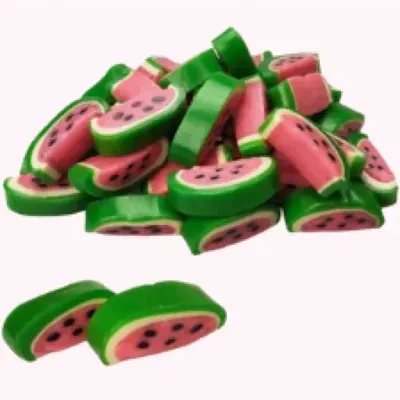
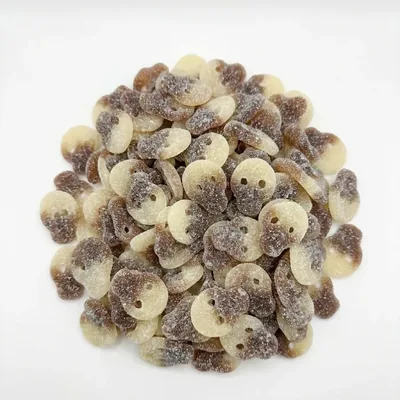
From our own catalogue, the picks below are the licorice-format slices plus the two lines that consistently outsell everything else in a mixed order. The Matthijs range is listed as gluten-free, halal, vegan and vegetarian, which makes it the easiest thing to put in front of a mixed crowd.


Frequently asked questions
What is the best black licorice you can buy?+
For real licorice flavour, Dutch and Nordic licorice built on root extract rather than anise oil. For an easy introduction, a Danish chocolate-coated licorice. For the strongest experience, Finnish salmiakki. Best is a matter of taste here, so buy small quantities of two or three styles before committing to one.
Is salty licorice better than sweet licorice?+
Neither is better, they are different products that share a colour. Salty licorice contains ammonium chloride and reads as savoury. Sweet licorice reads as dessert. Most people who love salty licorice grew up with it. Most people trying it at thirty need a few attempts before it clicks.
What licorice candy do you carry?+
Our licorice-format products are the layered slices, in fruit flavours rather than black. We do not currently import black or salty licorice into the US. The rest of the catalogue is Swedish, Dutch and Spanish fruit, sour and foam candy, all sold by the case.
What is the best licorice for a candy store pick and mix?+
Small, uniform pieces in recognisable shapes, because they scoop cleanly and price consistently by weight. Slices, coins and small cats work. Give black licorice one bin rather than three, since it sells steadily to a small group instead of broadly. Our [pick and mix guide](/journal/how-to-run-pick-and-mix) covers the layout side.
Does better licorice cost more?+
Usually yes, because real root extract costs more than anise flavouring and long drying times cost factory hours. Coated licorice costs the most per pound. Wheat-based ropes are the cheapest to make. Whether the extra cost is worth it depends on whether your customers actually want real licorice flavour.

Gustav Lindqvist · Candy Master
Gustav grew up in Sweden on a strict Saturday-candy schedule, mixing his lördagsgodis bag at the lösgodis wall before he could spell salmiak. He has spent years tasting his way across Scandinavian candy, and now curates the range at TheSweetsTruck, from BUBS sour skulls to the saltiest licorice most people cannot finish.
Last updated 8/23/2026