The Best Places to Buy Bulk Candy (Retailer's Guide)
Where to buy bulk candy: club stores, full-line distributors, importers and direct from the maker. Honest trade-offs on price, minimums and margin.
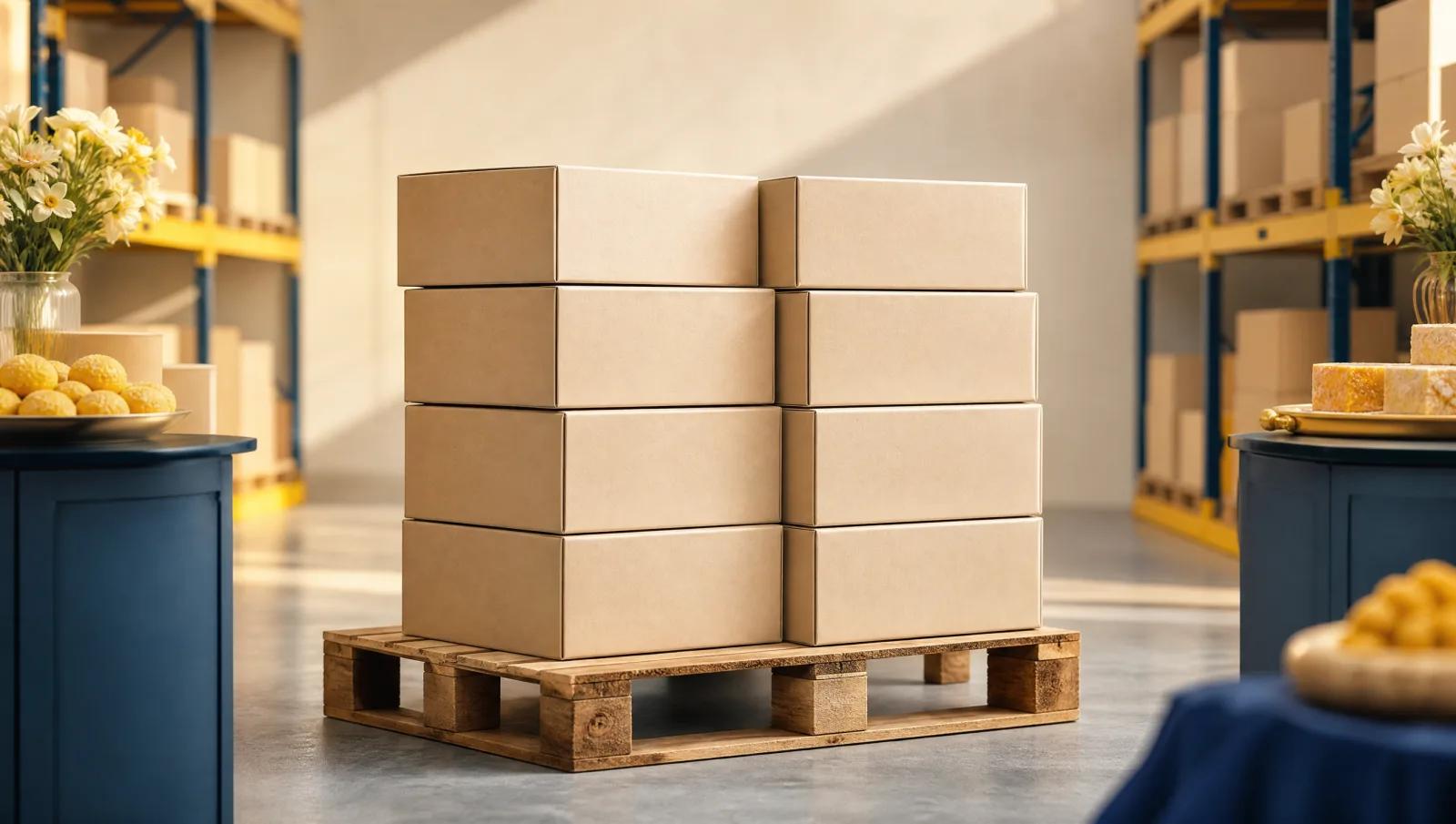
The best place to buy bulk candy depends on what the candy has to do. Club stores are cheapest for mainstream brands in small volumes. Full-line distributors are best for breadth on one invoice. Importers are best for lines nobody nearby carries. Direct from the maker is best only at real volume.
We founded TheSweetsTruck after running candy shops in Sweden, so we have bought bulk candy from every channel on this list. This is the honest map, including the parts where we are not the right answer. If you already know you want Swedish and European lines, our pillar wholesale Swedish candy: the complete buyer's guide is the deeper read.
First, decide what the bulk candy is for
Bulk candy buying splits into three jobs, and they point to different suppliers.
- Filler. Volume you need cheap and fast: a candy bar rack, an event bowl, a seasonal spike. Uniqueness does not matter. Price per unit does.
- Anchor. The candy customers come to you for. Uniqueness is the whole point, and a slightly higher case price is irrelevant if nobody down the street has it.
- Depth. The everyday middle of the assortment: reliable formats that keep a pick-and-mix wall full and turn steadily.
Most shops need all three, which is why almost nobody sources everything from a single supplier.
The five places to buy bulk candy
1. Warehouse club stores and cash-and-carry
Costco, Sam's Club, restaurant supply, and regional cash-and-carry outlets sell large packs of mainstream brands at prices that look excellent on the shelf tag.
Good for: emergency fill-in, event and party volume, a small candy rack in a business whose main product is something else.
The catch: the assortment is whatever they decided to carry, it changes without warning, and your customer can buy the exact same bag themselves at the same store. You cannot build a candy identity on it, and you cannot plan a planogram around stock that may vanish next quarter. Club pricing also does not always beat true wholesale once you compare cost per pound rather than cost per package.
2. Full-line (broadline) wholesale distributors
These are the regional workhorses. One catalog covers chocolate, gum, novelty, snacks, and often non-food. One invoice, one delivery, one rep.
Good for: breadth, convenience, and consolidating a lot of categories at once. If you run a convenience store or a grocery set, this is usually the backbone.
The catch: two things. First, margin stacking. Most broadline distributors do not import; they buy from an importer and add their own margin, which lands on your case price. Our candy distributor vs importer explainer walks through where that money goes. Second, sameness. Anything you can buy from a broadline distributor, so can every other shop in your area.
3. Specialty importers
An importer lands product from overseas itself, handles freight and customs, and sells direct to retailers. That removes a layer of markup on its own lines and gives you product with a real story behind it.
Good for: the anchor job. This is where you get the thing nobody else in your zip code has.
The catch: narrow catalogs by definition. We are a Swedish and European candy specialist, not a full-line American candy house. We do not carry American chocolate brands, and we would not pretend otherwise. If you need Swedish and European bulk candy, we import it direct and ship it from our own California warehouse. If you need a soda program too, pair us with a broadliner.
4. Direct from the manufacturer
Buying straight from the factory is the theoretical cheapest option, and occasionally the real one.
Good for: high-volume chains and buyers who can commit to full container or full pallet quantities of a single item.
The catch: manufacturers set minimums that assume you are a distributor. You also inherit everything the importer normally does: freight booking, customs entry, duty, compliant labeling, and the working capital tied up in a container. For most independent shops the arithmetic does not work, which is precisely why importers exist.
5. Online bulk candy marketplaces
Web-first bulk sellers and B2B marketplaces sit somewhere between retail and wholesale.
Good for: small quantities of hard-to-find items, or testing an idea before you commit to a case.
The catch: pricing is often only slightly below retail, provenance can be vague, and the same listing may be dropshipped from three different sources. Fine for a one-off, weak as a foundation.
The trade-offs, side by side
| Source | Price per pound | Minimums | Uniqueness | Margin potential | |---|---|---|---|---| | Club store / cash-and-carry | Low on their few items | None | Very low | Low, customers know the price | | Full-line distributor | Mid | Often a dollar floor | Low | Mid | | Specialty importer | Low on its own lines | Varies, ours is none | High | High | | Direct from maker | Lowest at container volume | Very high | High | High if you can absorb the volume | | Online marketplace | High | None | Variable | Low |
What actually drives your candy margin
Case price is only the visible part. Three other things move the number more than most buyers expect.
Cost per pound, not per case. A 6.6 lb case at a higher sticker can beat a 2.2 lb case at a lower one. Always divide. This matters most on a pick-and-mix wall, where you price by weight.
Landed cost. Freight, duty, and any relabeling belong in your cost. Delivered duty paid removes the guesswork, because the price you see is the price on the shelf. We ship DDP with US labels and duties handled, from Santa Fe Springs, California to the US and Canada.
Sell-through. A 60 percent margin on candy that moves weekly beats a 70 percent margin on candy that sits. Swedish candy profit margins runs the full math, and how to run a profitable pick-and-mix covers per-pound pricing.
Where we fit, honestly
We are the import-direct option for Swedish and European candy. We buy from the makers, land the product ourselves, and ship it from our own California warehouse, so our case prices come in under most US distributors on the lines we carry. We are the anchor supplier, not the whole store.
There is no order minimum, so you can order by the case and mix and match across brands. Wholesale accounts approve automatically when you apply, Tier 1 list pricing is public for everyone on the catalog, and Tier 2 and Tier 3 pricing is available to approved volume and strategic buyers. With Earned Credit, an approved account's credit line equals its largest paid, delivered order (up to an account limit), spendable at checkout on NET-14 terms, with a card covering any difference. Checkout carries UPS Ground and UPS Express, with pallet freight arranged by email on orders of $2,000 or more.
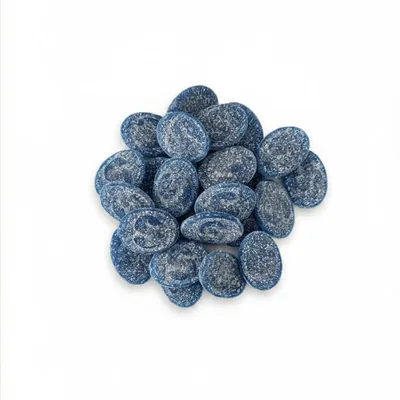
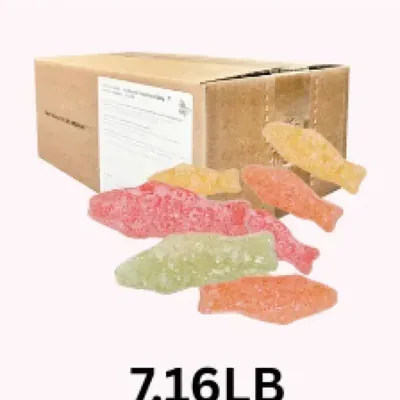
A good starting bulk set spans texture and dietary needs. Bubs Cola Skulls from BUBS are gelatin-free and vegan. S Marke Sour Blue Raspberry from S-Marke is flagged vegan and halal and contains wheat/gluten. Sour Swedish Fish carries no dietary flag and is instantly recognizable to American shoppers. Franssons Foam Strawberries from Franssons contain gelatin and bring the classic Swedish foam texture.
A starter bulk set


If you are still choosing a supplier, how to choose a wholesale candy distributor is the vetting checklist, and wholesale candy terms explained decodes the vocabulary you will meet on a first call.
Ready to add a line nobody nearby carries? Apply for a wholesale account, browse the catalog, or start a bulk order. Not sure what to order first? Get in touch.
Frequently asked questions
Where is the cheapest place to buy bulk candy?+
For mainstream brands in small volumes, a warehouse club or cash-and-carry is usually cheapest per package. For a category you want to own, an importer selling its own lines is usually cheaper per pound than a distributor that bought the same product through a middleman. Compare cost per pound, not per case.
Is buying bulk candy at Costco or Sam's Club good for a store?+
It works as fill-in and for event volume. It is a weak foundation for a candy shop, because the assortment changes, everyone has the same products, and your customers can price-check you at the same club.
Do I need a business license to buy bulk candy wholesale?+
Wholesale suppliers generally set up trade accounts with business and resale documentation, and requirements differ by state and province. Have your business registration and resale paperwork ready when you apply.
What is the minimum order for bulk candy?+
It varies widely by supplier, from a few hundred dollars to a full pallet. We do not have one. You order by the case, mix and match, with no order minimum.
How much bulk candy should I order the first time?+
Enough to fill the fixture and no more. Buy a small number of cases across several textures, watch which bins empty first, then reorder into the winners instead of guessing twice.
Keep reading

Gustav Lindqvist · Candy Master
Gustav grew up in Sweden on a strict Saturday-candy schedule, mixing his lördagsgodis bag at the lösgodis wall before he could spell salmiak. He has spent years tasting his way across Scandinavian candy, and now curates the range at TheSweetsTruck, from BUBS sour skulls to the saltiest licorice most people cannot finish.
Last updated 8/4/2026