Candy Coated Licorice: How the Sugar Shell Works
Candy coated licorice is a licorice center panned in a hard sugar shell. How panning works, why the shell exists, how it changes the bite, and the Nordic versions.

Candy coated licorice is a licorice center wrapped in a hard sugar shell, the Good & Plenty format. The shell is built up in a rotating drum, one thin layer of sugar syrup at a time, then polished. It exists to protect the center, carry color licorice cannot hold, and put a crack before the chew. It is the least understood licorice format, mostly because the shell hides everything interesting about it. Here is what is under there and why it is there at all.
What is inside the shell
The center is ordinary licorice paste: sugar syrup, molasses, a starch or flour binder, licorice extract, and usually anise oil. It is extruded into a rod, cut into short pellets, and cured until firm. That pellet is the whole point of the sweet. Everything after it is engineering.
The shell is sugar. Not chocolate, not wax, not a glaze. It goes on in a process called panning, and it is the same process used for jelly beans, sugared almonds and the outside of a coated chewing gum.
How panning actually works
Panning is slow and repetitive, which is why panned candy costs more per pound than extruded candy.
1. Loading. The licorice pellets go into a rotating drum, usually copper or stainless, tilted so the pieces tumble continuously.
2. Wetting. A measured dose of hot sugar syrup is added. The tumbling spreads it over every piece.
3. Drying. Warm air is blown through the drum until that layer crystallizes hard.
4. Repeat. Steps two and three run dozens of times. Each pass adds a coat thinner than a sheet of paper.
5. Coloring. The last few passes carry the color, which is why the shell is even and the pieces are identical.
6. Polishing. A wax or glaze pass gives the finished gloss and stops the shells from scuffing each other in the bag.
Nothing about it can be rushed. Add syrup too fast and the pieces glue together into a lump, which panners call doubling. Dry too fast and the shell goes chalky and cracks off the center.
Why the shell exists
It is not decoration. The shell does four jobs at once.
It stops the center drying out. Licorice paste keeps hardening after it leaves the factory. A sugar shell is a moisture barrier, so a panned piece stays chewable for far longer than a bare licorice pellet does. That has a direct effect on shelf life, which we cover more broadly in Swedish candy shelf life.
It carries color. Licorice is black and stays black. You cannot make it pink. A shell can be any color you like, which is exactly why the classic American version is pink and white over a black center, and why the pink and white licorice coconut pieces exist as a separate solution to the same problem.
It stops pieces sticking together. This is the practical one for anyone running an open bin. Bare licorice is tacky in warm weather. Panned pieces stay loose and scoop cleanly.
It changes the eating experience. You get a crack, then a pause, then the chew. That sequence is why some people who dislike licorice will still eat the coated version. The shell buys a few seconds of plain sugar before the anise arrives.
Panned versus uncoated, side by side
: Panned licorice: Uncoated licorice
First bite: Hard crack, then chew: Straight into the chew
Flavor arrival: Delayed, sugar first: Immediate
Color options: Any color: Black or dark brown
Behavior in an open bin: Loose, non-tacky, holds gloss: Can tack up in heat and humidity
Drying out: Slow, shell is a barrier: Faster once the bag is open
Cost per pound: Higher, panning is slow: Lower
The American version and the Nordic versions
The format most Americans mean is Good & Plenty, a pink and white shelled licorice pellet that has been in production since the 1890s and is often described as one of the oldest branded candies still sold in the US. Whatever the exact provenance, it set the template: small pellet, hard shell, black center.
Northern Europe arrived at the same idea independently and used it differently. On Scandinavian and Dutch pick-and-mix walls you will find licorice dragees, meaning the same panned construction in muted colors, and salmiak dragees, where the shell carries the salty ammonium chloride hit and the center is sweet licorice, or the other way around. That reversal is clever. It front-loads the salt on the tongue and then rewards you with something softer, and it is a big part of why salmiak lovers describe the experience as a sequence rather than a flavor. There is more on that in salty licorice and salmiak and in how to eat salty licorice.
Denmark also runs the coated idea in a premium direction, with licorice centers coated in chocolate rather than sugar. Different coating, same underlying logic: protect the center, control the first second of the bite. Our Danish candy guide covers that scene.
What we carry
Plainly: we do not currently import panned licorice, licorice dragees or salmiak. Our range is Swedish and European gummy, foam, chew and sour lines, bought direct from the producers.
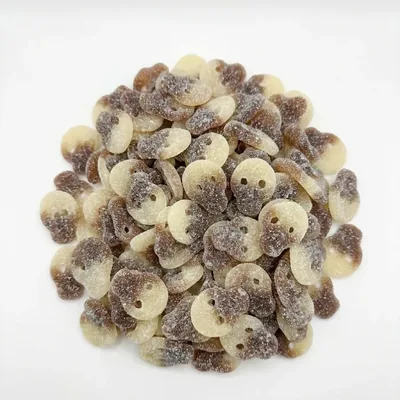
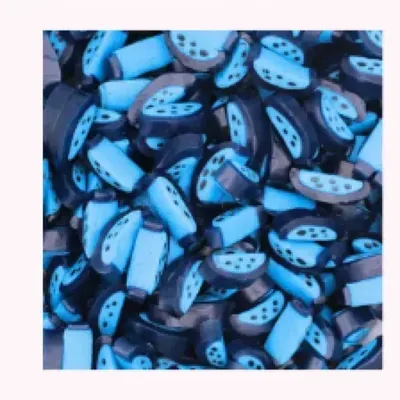
If what you actually want is the two-stage bite, a crisp or firm outside giving way to something softer, we do carry that idea in fruit form. The Matthijs skulls are a two-texture piece, and every Matthijs item on our list is flagged gluten-free, halal, vegan and vegetarian. The fruit licorice slices give you the firm sliceable format without a shell.
Frequently asked questions
What is candy coated licorice?+
A licorice center, usually an extruded pellet, wrapped in a hard sugar shell applied in a rotating drum. Good & Plenty is the best known example in the US. The shell adds color, protects the center from drying out, and gives the piece a crack before the chew.
Is the coating on licorice candy chocolate or sugar?+
On the classic pellet it is sugar, built up in many thin layers and finished with a polish. Chocolate-coated licorice exists too, mostly as a Danish specialty, but that is a different product with a different price point.
Why is candy coated licorice pink and white?+
Because licorice is black and cannot be tinted. Putting a shell on it is the only way to get color into the piece, so makers used the shell as the design surface. The pink and white pairing is simply the combination that stuck.
Does the shell change the flavor?+
It changes the order of the flavor. You taste plain sugar first and the anise and licorice a second later, once the shell breaks. Some people who find bare licorice too direct will happily eat the coated version for exactly that reason.
Do panned licorice pieces last longer than plain licorice?+
Generally yes. The shell acts as a moisture barrier, so the center stays chewable longer after the pack is opened. Storage still matters. Keep it cool, dry, and out of direct sun like any other sugar confection.
Do you sell Good & Plenty style licorice wholesale?+
No. We do not currently import panned licorice or salmiak in any form. We import Swedish and European gummy, foam, chew and sour lines, and we would rather tell you that than take an order we cannot fill.

Gustav Lindqvist · Candy Master
Gustav grew up in Sweden on a strict Saturday-candy schedule, mixing his lördagsgodis bag at the lösgodis wall before he could spell salmiak. He has spent years tasting his way across Scandinavian candy, and now curates the range at TheSweetsTruck, from BUBS sour skulls to the saltiest licorice most people cannot finish.
Last updated 8/23/2026