Christmas Candy: Europe's Holiday Sweets, Explained
In Europe, Christmas candy follows the December calendar: Lucia buns, Sinterklaas sweets and julgodis. Here is what to serve, how much to plan, and what shops order for Q4.
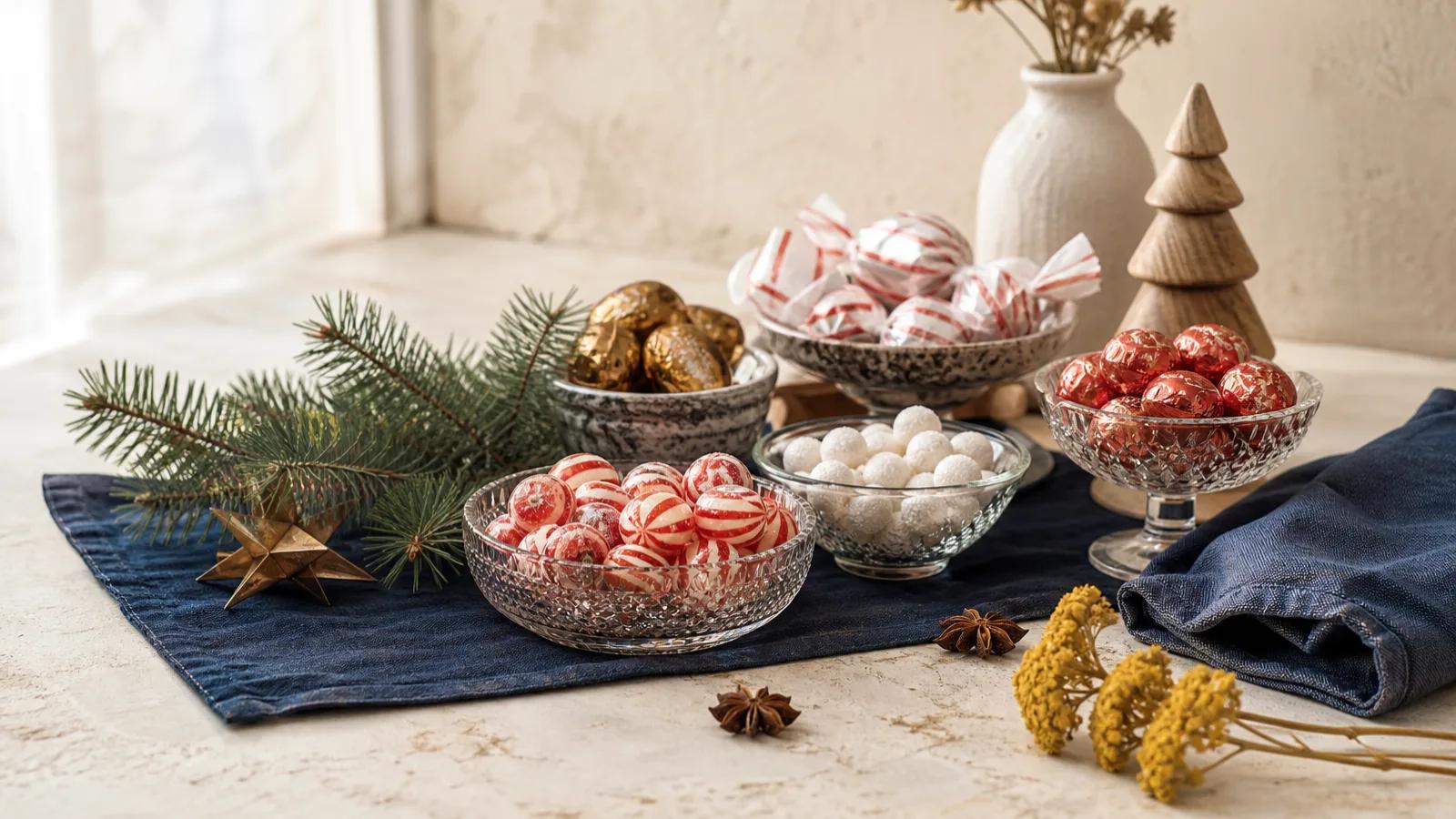
European Christmas candy is the sweet side of a dated December: julgodis in Sweden, marzipan in Germany, Sinterklaas sweets in the Netherlands. The cases we import for it are sugar-rolled cubes, foam, sour gummies and soft fudge rather than the candy canes an American shelf runs on. For a table, plan 3.5 oz (100 g) per grazing guest.
We import Swedish and European candy by the case into Santa Fe Springs, California, and December is the stretch the range is built for. This page covers what makes the European December different, the classics by country, and the serving, cost and gift math. If you want the one case that most reads as a Swedish jul table, start with the Cloetta Sugar Cubes.
What makes European Christmas candy different?
The American Christmas shelf makes one long push toward 25 December: candy canes, ribbon candy, boxed chocolates. Candy canes and ribbon candy are covered in our old-fashioned Christmas candy guide. In Sweden and the Netherlands, the sweets are tied to particular days instead, and the season spreads from the end of November into January. The dates that matter:
- Sweden, first Sunday of Advent: the candle countdown begins, a custom that goes back to the 1890s, and Advent Sundays pair glögg with pepparkakor (sweden.se).
- Sweden, 13 December: Lucia processions are held across the country, and the day's food is lussekatter, saffron buns shaped like curled-up cats with raisin eyes (sweden.se).
- Sweden, 24 December: Swedish Christmas peaks on julafton, when the julbord and the gifts land (sweden.se).
- The Netherlands, 5 December: presents are usually exchanged on the Sinterklaas holiday, and the December bakery case fills with speculaas, the spiced cookie (holland.com).
That calendar is the real difference. In these traditions the candy has days attached to it, and both a table and a shop can plan around those days rather than around one big December push.
Which Christmas sweets are the classics, country by country?
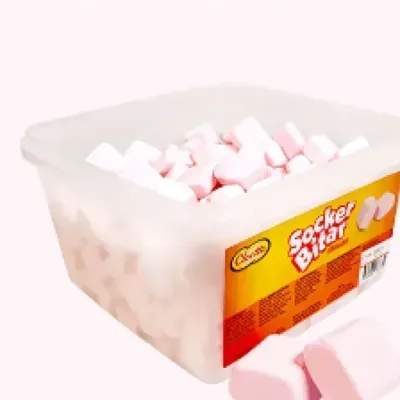
Sweden's is the one we can supply end to end. The Swedish Christmas candy spread is called julgodis, and it mixes chocolate and toffee with festive pick-and-mix. Two pieces to know by name: sockerbitar, the soft sugar-rolled cubes, and the foam and sour shapes that anchor Swedish loose candy the rest of the year as well.
Germany's classic is marzipan, and its home is Lübeck, where the pastry chef Johann Georg Niederegger took over the Maret confectionery in 1806 (niederegger.de). The Netherlands adds speculaas and kerststol to the December table alongside the Sinterklaas build-up (holland.com). We do not import marzipan or speculaas; the cases we run are the Swedish and wider European pick-and-mix lines.
The picks are below. Prices per lb are computed from the published case price; the product page is always the authority.
- Cloetta Sugar Cubes: soft, sugar-rolled cubes with a vanilla flavour, the piece Swedish pick-and-mix calls sockerbitar. Not sour. Tags as listed: none; the ingredient list we hold names gelatine. Case weight 1.81 lb. $10.44 per lb.
- Strawberry Sugar Cubes (sockerbitar jordgubb): the same cube format in strawberry. Not sour. Tags as listed: none; the ingredient list we hold names gelatine. Case weight 1.81 lb. $9.89 per lb.
- BUBS Sour Skull 16x90g: sour gummies in gift-size 3.2 oz (90 g) bags, 16 to the case. Tags as listed: gelatin-free, halal and vegan. Case weight 3.17 lb. $7.84 per lb, or about $1.56 per bag.
Swedish cases we stock for December


What is julgodis?
Julgodis is simply Swedish for Christmas candy, and it is the umbrella the country uses for the whole December spread. The homemade side centers on knäck, a chewy toffee cooked in small tins, and ischoklad, chocolate set with coconut fat. The bought side is loose pick-and-mix plus gift bags, and the two are mixed freely on the same table. Our guide to Swedish candy for Christmas walks through the full spread.
How much Christmas candy do you need per guest?
Published planning figures for a candy table: 3 to 3.5 oz (85 to 100 g) per guest when people graze, and 4 to 5 oz (115 to 150 g) per guest when they fill favour bags to take home. At the published average of about 5 g a piece, the grazing figure works out to roughly 20 pieces a guest. The full method is in our candy buffet quantities guide; the adjustments that matter at Christmas:
- Mostly children: add 25 percent.
- A full dessert table alongside: subtract 30 percent.
- A short daytime event: subtract 20 percent.
- An evening that runs four hours or more: add 20 percent.
- Favour bags in the plan: switch to the 4 to 5 oz figure, which is about 50 percent above the grazing baseline.
Stack the adjustments that apply, cap the total at about plus 60 percent, and round up to whole cases. Two anchor figures to hold: 50 guests land near 11 lb grazing or 17 lb with favour bags, and 100 guests near 22 lb or 33 lb.
What does a Christmas candy table cost?
Costing follows the same numbers. At the case prices in this article, a 50 guest grazing table of about 11 lb, built entirely from the Lonka fudge case at $7.98 per lb, is roughly $88 of candy; the 17 lb favour-bag version is roughly $136. Build the volume from the bigger cases and keep sugar cubes as accents: one 1.81 lb case fills a dessert bowl nicely, not a buffet.
The two soft fudge cases that carry a table:
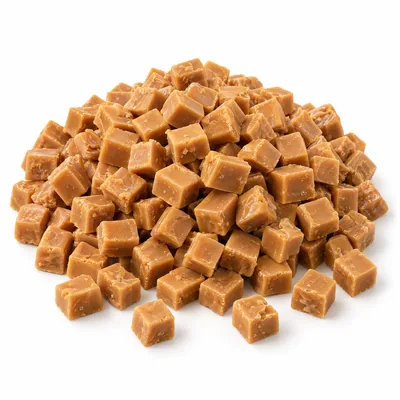
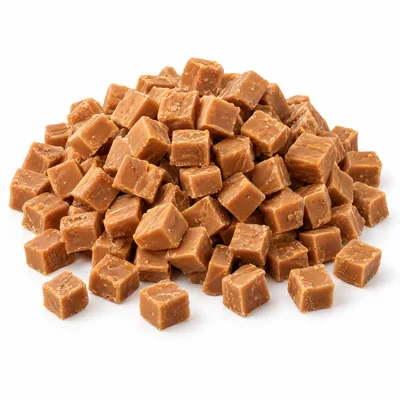
- Lonka Fudge Caramel Salt: soft fudge squares with sea salt in the recipe. Not sour. Tags as listed: none; the ingredient list we hold names milk. Case weight 7.17 lb. $7.98 per lb.
- Lonka Fudge Vanilla: the same soft fudge in vanilla. Not sour. Tags as listed: none; the ingredient list we hold names milk. Case weight 7.17 lb. $7.98 per lb.
Prices above are computed from the published case price.
Start with these two cases
For gifting, the 16 bag sour skull case divides into 16 gift-ready bags at about $1.56 each, and any loose case can fill gift boxes; for box formats and ideas, see our Swedish candy gift boxes guide.
What should shops know before a Q4 order?
Christmas is the one season where candy gets a dedicated block instead of a bin on the wall, and the buying calendar is fixed. The main buy should land before Thanksgiving, not be ordered then. The floor flips from Halloween on 1 November. The top-up goes in around 5 to 8 December, once a week of real sales data exists. Nothing should land after about 18 December, when the selling days are gone. The first two weeks of December carry the transaction count, and the last week carries the basket size.
Two more points from that playbook: build the block from loose candy chosen by colour rather than printed seasonal packaging, because loose candy survives 26 December and branded packaging does not; and give the block three price points, small, mid and large, because the last-minute buyer takes whichever generous-looking unit is left standing. The full week-by-week version is our Christmas candy for retailers post.
For shops: order wholesale through a wholesale account application, which approves automatically, and pull the full range from the wholesale catalogue when you plan the block. We ship by UPS from Santa Fe Springs, California: US orders within 2 business days, Canada within 3 to 5 business days with duties paid at checkout.
How do you store Christmas candy through December?
Three rules: sealed, cool and dry. Sour coatings are the fussy part, because the acid layer pulls moisture out of the air, so an open case of sour skulls should be resealed first and used first. Sugar cubes and fudge both prefer a cupboard over a sunny shelf, and cubes serve well straight out of a lidded jar. Unopened cases keep for a long time, which is what makes an early Q4 order safe rather than risky.
December is the season our cases are built for, and the store carries the whole range by the case. If you want to see how the same sweets spread across the Swedish year, the Swedish candy calendar is the next read.
Frequently asked questions
What is Christmas candy called in Europe?+
It depends on the country. In Sweden the Christmas candy spread is julgodis, and the December calendar runs from Advent Sundays and Lucia on 13 December to julafton on 24 December. In Germany the seasonal classic is marzipan from Lübeck, and in the Netherlands the sweets cluster around Sinterklaas on 5 December.
Is European Christmas candy different from American Christmas candy?+
The biggest difference is format. The European lines we import lean on loose pick-and-mix: sugar-rolled cubes, foam, sour gummies and fudge, sold by the case. American Christmas candy leans on candy canes, ribbon candy and boxed chocolates. We would also say the Nordic end of the range runs less sweet and more sour, though that is taste, not a rule.
How much candy do I need for a Christmas party?+
Plan about 3 to 3.5 oz (85 to 100 g) per guest for grazing, and 4 to 5 oz (115 to 150 g) per guest if they take favour bags home. Fifty guests works out to about 11 lb grazing or 17 lb with bags; 100 guests is about 22 lb or 33 lb. Add 25 percent for a mostly-children party.
When should shops order Christmas candy?+
Place the main order in the second half of October so it lands before Thanksgiving, then place a top-up in the first week of December, once you can see which bins are moving. Avoid ordering after about 18 December, when stock arrives with almost no selling days left.
Do you have to buy a whole case to try these?+
Ordering is by the case with no minimum order size, and cases mix and match across the whole range, so a first order can be a small one, or a single case. Ordering takes a free wholesale account, and applications approve automatically.
How long does Christmas candy keep?+
Sealed candy stored cool and dry holds well past December: unopened cases keep for a long time, which is why an early Q4 order is low risk. Sour-coated pieces are the part to watch, because the coating takes up moisture once the bag is open. Seal those first and use them first.
Keep reading

Gustav Lindqvist · Candy Master
Gustav grew up in Sweden on a strict Saturday-candy schedule, mixing his lördagsgodis bag at the lösgodis wall before he could spell salmiak. He has spent years tasting his way across Scandinavian candy, and now curates the range at TheSweetsTruck, from BUBS sour skulls to the saltiest licorice most people cannot finish.
Last updated 10/12/2026