How to Start a Candy Store: A Practical Guide
How to start a candy store: concept, location, licensing, fixtures, opening assortment, suppliers, pick-and-mix economics and a smart first order.
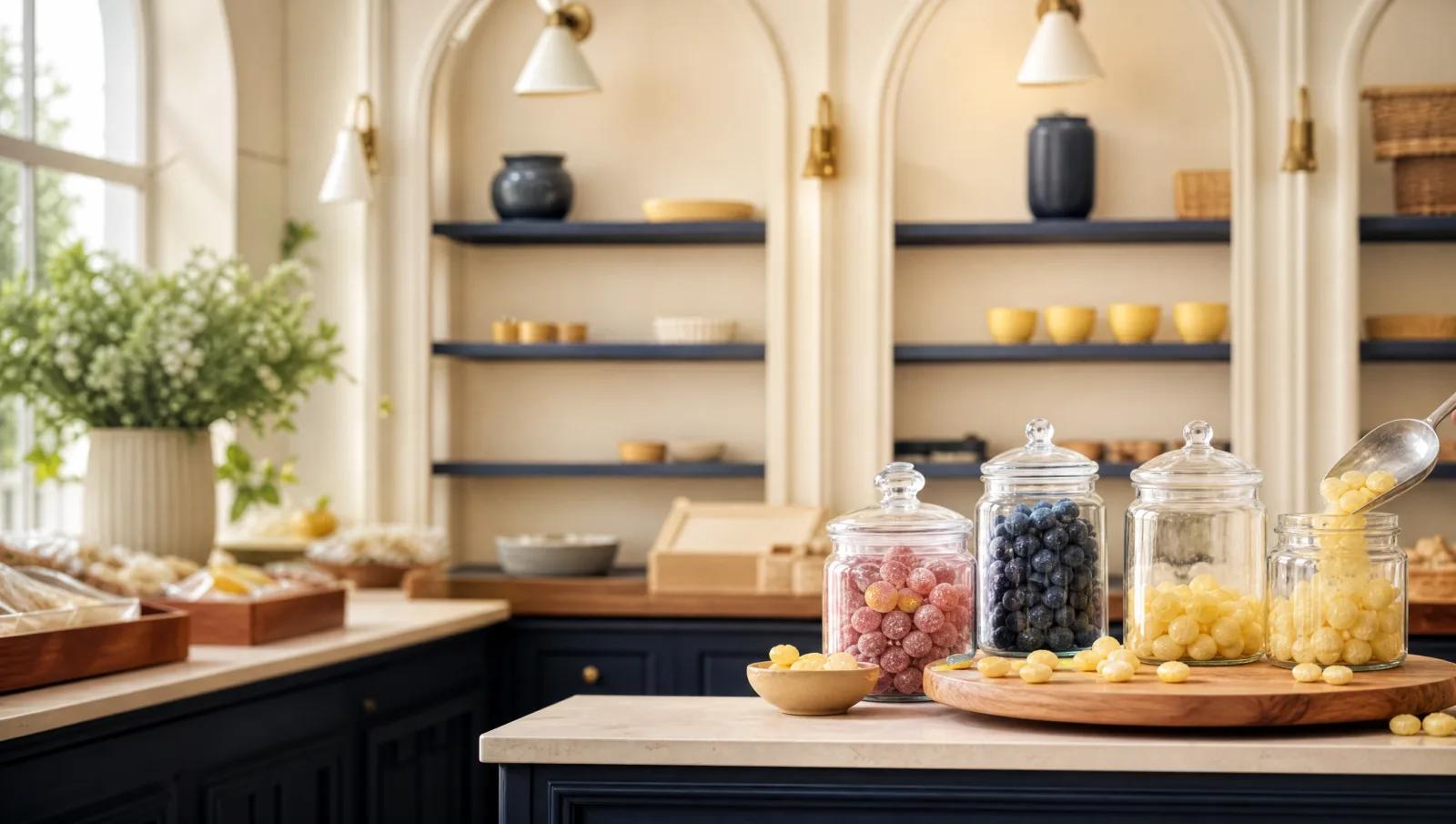
Start a candy store by choosing a concept narrow enough to be memorable, then work backwards: location and rent, local licensing, fixtures, and an opening assortment built around one category you can own. Fund a small, wide first order, watch what sells, and reorder into the winners rather than guessing twice.
We ran candy shops in Sweden before we started importing, and we now supply candy retailers across the US and Canada, so we have watched a lot of shops open. The ones that survive get two things right early: a reason to exist that a customer can explain in one sentence, and an opening order that is deliberately too small.
Step 1: Pick a concept you can say in one sentence
The single most common failure in candy retail is being a generic candy store. Generic loses to the grocery aisle on price and to the internet on selection.
A concept is a filter for every later decision. Some that work:
- The import shop. Candy nobody nearby can buy. A specialist supplier matters more here than a broad one.
- The pick-and-mix destination. The wall is the store. Everything else supports it.
- The gift and souvenir shop. Candy as packaging, ribbon and basket. Higher ticket, seasonal peaks.
- Candy plus something. Ice cream, coffee, a soda counter. The second category pays the rent while candy pays the margin.
Write your sentence before you look at a single lease. If it does not include something a customer cannot get at a supermarket, keep working on it.
Step 2: Run the numbers before you sign anything
Build a one-page model with four lines: rent plus utilities, labor, opening inventory, and build-out. Then work out the daily sales you need to cover them.
Candy retail typically targets high gross margins, often around 60 to 70 percent depending on format, and weigh-and-pay usually sits at the top of that range. That sounds generous until you divide the rent by an average basket. If your average sale is small, you need a lot of transactions, which means footfall is not a nice-to-have, it is the entire business model.
Two numbers deserve extra attention. Average basket, which pick-and-mix raises because almost nobody stops at one scoop, and pre-packed shelves do not. And turns, because candy is not a category where slow-moving stock quietly appreciates. It fades, clumps, and stops selling. Plan to turn the assortment, not to hold it. Our candy profit margins guide runs the full arithmetic with real case sizes.
Step 3: Location and lease
Candy is an impulse and destination hybrid, which means two viable location types. High-footfall retail (main streets, tourist zones, malls, near cinemas and family attractions) means buying passing traffic and paying for it in rent. Destination means a cheaper location people travel to specifically, which only works if your concept is genuinely distinctive. An import shop can pull this off. A generic candy store cannot.
Before signing, check three practical things: whether you can get deliveries in without a nightmare, whether the space stays cool enough in summer, and whether the frontage lets you put color in the window. Candy sells through glass. Negotiate for as much free fit-out time as you can, because every week of rent before opening comes straight out of your inventory budget.
Step 4: Licensing and compliance, in general terms
Rules vary by country, state, province, county and city, so treat this as a checklist to take to your local authorities rather than a legal answer.
You will generally need a business registration and a local business license, a sales tax permit and a resale certificate (which is also what wholesale suppliers ask for), and some form of retail food establishment permit or registration from your local health department. If you handle unpackaged candy in bins, expect food-handling requirements around utensils, covered containers, hand-washing facilities and staff training. Zoning and a certificate of occupancy come with the space itself, and building out usually needs permits.
Call your local health department early, before you design the fixture layout, because their requirements around self-serve bulk food can change what equipment you buy. Two more things worth handling in advance: allergen information for everything you sell, which is easiest if your supplier gives you accurate per-SKU data, and general liability and product liability insurance.
Step 5: Fixtures and build-out
Keep it simple and put the money into color rather than joinery.
- The wall or bins. Gravity bins or clear lidded scoop bins. Lids are not optional: they control contamination, staleness and casual snacking.
- Scoops and tongs. One per bin, in a holder, for allergen separation as much as tidiness.
- A legal-for-trade scale. An NTEP-certified scale at the counter is the one piece you cannot improvise.
- Bags and packaging. A couple of sizes, plus something giftable. Packaging is a margin lever, not an expense line.
- Lighting and the window. Bright, neutral light, because candy colors die under warm dim bulbs. The window is the most valuable square footage in the shop.
Start with a manageable bin count, a dozen to two dozen, and expand into what proves itself. An underfilled wall of forty bins looks worse than a full wall of sixteen.
Step 6: Build the opening assortment
Structure the assortment in three layers.
The anchor (roughly 30 to 40 percent of the buy). The category you want to be known for. This is where an import line earns its place, because it is the part of the store nobody can price-match.
The depth (roughly 40 to 50 percent). Reliable formats that keep the wall full and turn steadily: discs, fish, chews, foam.
The impulse and gift layer (the rest). Counter items, small bags, seasonal.
Within the anchor, balance by format rather than flavor. Six bins covering four textures beat twelve bins of similar fruit gummies. A workable Swedish opening set looks like this: Bubs Cola Skulls from BUBS (gelatin-free, vegan) as the signature shape, S Marke Sour Apple from S-Marke (vegan and halal, contains wheat/gluten) as the sour workhorse, Sour Swedish Fish as the shape Americans already recognize, Sura Colanappar Sour Cola Pacifiers (vegan and halal, contains wheat/gluten) as the conversation piece, Franssons Foam Mushrooms from Franssons (contains gelatin) for the classic Swedish foam texture, and Lonka Soft Bites Strawberry Bon Bon from Lonka for a softer chew.
An opening assortment that covers the textures

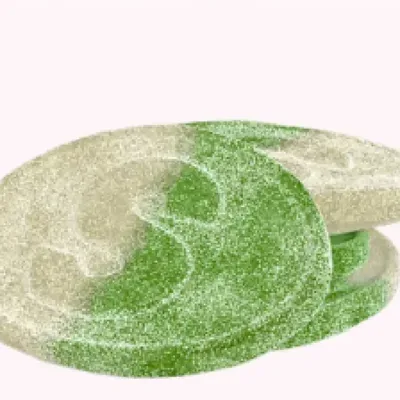
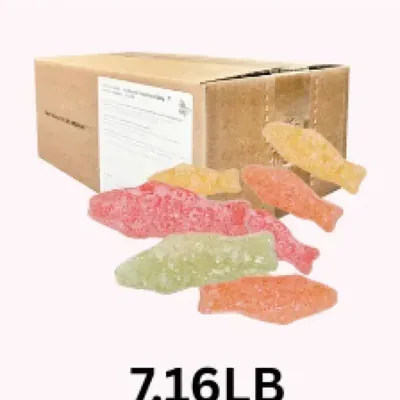
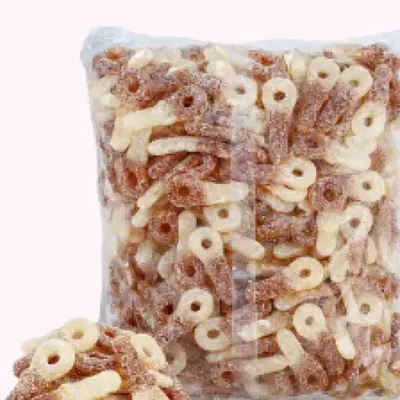
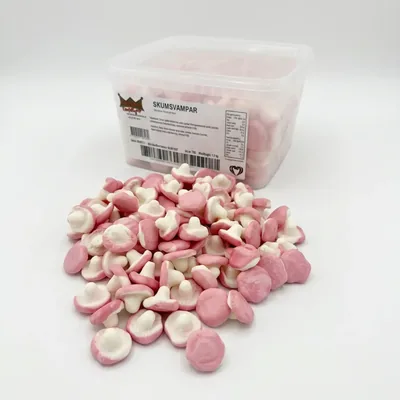
Label every bin with the exact dietary information for that item. Some of our lines are gelatin-free and vegan, some contain gelatin, and several vegan-flagged lines contain wheat/gluten, so copy the flags per SKU instead of generalizing. How to stock Swedish candy goes deeper on the shelf plan.
Step 7: Choose suppliers
Most candy shops end up with two or three suppliers, not one. A broadline distributor covers breadth on a single invoice. A specialist covers the anchor. Local makers cover the story.
Vet each one on catalog fit, minimums, lead times, pricing tiers, payment terms, customs handling on imports, and whether they will sell you a single trial case. The full checklist is in how to choose a wholesale candy distributor, and wholesale candy terms explained decodes the vocabulary before your first call.
For imported lines, ask specifically who is the importer of record and whether duties and US labels are handled. We import direct from Swedish and European makers and ship DDP from our Santa Fe Springs, California warehouse, so there is nothing for you to clear and nothing to relabel. If Swedish candy is your anchor, our pillar wholesale Swedish candy: the complete buyer's guide covers the category end to end.
Step 8: Pick-and-mix economics
If your concept includes a wall, this is where the money is made. Find your landed cost per pound by dividing each case price by its weight. Set a single blended per-pound retail price rather than pricing per bin, which keeps the customer experience simple and the scale honest. Then confirm the blend still profits on your most expensive case: if one premium item drags it, give that item its own bin and price, or leave it out.
Control shrink with closed lids, right-sized scoops, sightlines from the counter, first-in-first-out rotation, and periodic reconciliation of weight loaded against sales. Shrink is the tax on a candy wall, and habits keep it small. How to run a profitable pick-and-mix is the full operational guide.
Step 9: The first order
Buy wide and shallow. The goal of the first order is information, not inventory. Order enough to fill the fixture and no more, across as many formats as your budget allows, then let the bins tell you what to buy next. Reorder into whatever empties first and cut whatever lingers. Almost every shop that gets into trouble in year one does it by buying deep on an untested assumption.
This is easier when your supplier does not force volume on you. We have no order minimum: you order by the case, mix and match across brands, and a first order can be four cases or forty. Wholesale accounts approve automatically when you apply, Tier 1 list pricing is public on the catalog, and Tier 2 and Tier 3 pricing is available to approved volume and strategic buyers. With Earned Credit, an approved account's credit line equals its largest paid, delivered order (up to an account limit), spendable at checkout on NET-14 terms, with a card covering any difference. Shipping runs UPS Ground or UPS Express, with pallet freight arranged by email on orders of $2,000 or more.
Step 10: Opening and the first ninety days
Open in a soft form before you feel ready, so you learn on small numbers. Then treat the first ninety days as a measurement exercise: track sell-through by SKU weekly, note every product a customer asks for that you do not carry, and photograph the wall each week so you can see what looks tired. By day ninety you should be able to name your top ten SKUs, your bottom five, and the one thing customers keep asking for. That list is your real assortment plan, and it will be better than anything you could have written before opening.
Ready to build the assortment? Apply for a wholesale account, browse the catalog or by brand, and start a bulk order. Opening a shop and want a second opinion on the buy? Get in touch.
Frequently asked questions
How much does it cost to start a candy store?+
It varies enormously with location and size, and rent plus build-out usually dwarfs the inventory line. Model rent and utilities, labor, fixtures, and opening inventory separately, then calculate the daily sales needed to cover them before you sign a lease.
What licenses do I need to open a candy store?+
Requirements differ by state, province and city, but you will generally need a business registration and license, a sales tax permit and resale certificate, and a retail food establishment permit from your local health department, plus zoning and occupancy clearance for the space. Contact your local health department early, since self-serve bulk food rules can shape your fixture plan.
What margin should a candy store make?+
Candy retail commonly targets around 60 to 70 percent gross margin, with weigh-and-pay pick-and-mix usually at the higher end. Sell-through matters as much as margin, since candy that sits loses color and stops selling.
How much inventory should I buy for opening day?+
Enough to fill the fixture, spread wide across formats rather than deep on a few. Buy small cases to test, then move proven sellers into larger cases for a better cost per pound. Since we have no order minimum, you can start with a handful of cases.
Is pick-and-mix worth it for a new candy store?+
Usually yes. It raises the average basket, blends slower items in with the fast ones, and turns candy into an experience. It requires lidded bins, one scoop per bin, an NTEP-certified scale and disciplined rotation.
Where should a new candy store buy its candy?+
Pair a broadline distributor for breadth with a specialist for your anchor category. We are the import-direct specialist for Swedish and European candy, shipping from California to the US and Canada, and we are designed to sit alongside a broadliner rather than replace one.
Keep reading

Gustav Lindqvist · Candy Master
Gustav grew up in Sweden on a strict Saturday-candy schedule, mixing his lördagsgodis bag at the lösgodis wall before he could spell salmiak. He has spent years tasting his way across Scandinavian candy, and now curates the range at TheSweetsTruck, from BUBS sour skulls to the saltiest licorice most people cannot finish.
Last updated 8/3/2026