Licorice Candy Brands: A Country by Country Survey
The notable licorice brands split by country. The Nordics give you Malaco, Läkerol, Fazer, Halva and Lakrids by Bülow. The Netherlands gives you Venco, Klene, Red Band and Gustaf's. Australi

The notable licorice brands split by country. The Nordics give you Malaco, Läkerol, Fazer, Halva and Lakrids by Bülow. The Netherlands gives you Venco, Klene, Red Band and Gustaf's. Australia gives you Darrell Lea and Kookaburra. The US gives you Twizzlers, Red Vines and Good & Plenty, most of which contain no licorice.
Why the country matters more than the logo
Licorice is one of the few candy categories where nationality predicts the product better than the brand name does. A Dutch bag and a Finnish bag can share a shape and taste nothing alike, because the recipe traditions are genuinely different: how much root extract goes in, whether ammonium chloride is used, and whether the binder is wheat flour or starch.
So this survey is organised by country. We carry some of these makers and not others, and we will say which.
Nordic
Malaco (Sweden) is the mass-market Nordic licorice name, best known outside Sweden for Djungelvrål, the salted licorice cats that most Americans meet first and remember longest. We cover them in Malaco classics and Djungelvrål.
Läkerol (Sweden) is the pastille end of the category, dense and gum-arabic based, sold as much for a dry throat as for pleasure. See our Läkerol guide.
Fazer (Finland) makes Tyrkisk Peber, the hard salmiak shell with a powdered salt centre, which is roughly the deep end of the category.
Halva and Kouvolan Lakritsi (Finland) are the specialists, one industrial and one closer to artisan, both built on real extract rather than anise flavouring.
Lakrids by Bülow (Denmark) took licorice upmarket in the late 2000s with chocolate-coated pieces in gift tubes. It is the most successful attempt anyone has made to sell licorice to people who do not like licorice.
Dutch
The Netherlands is routinely described as the biggest licorice-eating country per head on earth, and its shops carry a variety of drop that no other market comes close to matching.
Venco is the household name, with a range that runs from soft honey drop to double salt. Klene and Red Band cover similar ground with different textures. Gustaf's is the Dutch-made line most Americans meet, usually in a supermarket import aisle. Katjes, German rather than Dutch but sold widely across the border, gave the world the licorice cat shape.
Three Dutch makers appear in our own catalogue, though the SKUs we import from them are fruit rather than licorice: Matthijs, Frisia and Lonka. Matthijs in particular is the one we point people to when dietary questions come up, since its lines are listed as gluten-free, halal, vegan and vegetarian. See the Matthijs brand page, the Matthijs candy guide, and Swedish vs Dutch licorice for the tradition behind them.
Australian and New Zealand
Australian licorice is its own thing: soft, thick, wheat-flour based, sweeter than Nordic licorice and much gentler than Dutch. Darrell Lea is the best known internationally and the reason "Australian style" appears on so many US shelf tags. Kookaburra is the other main export name, and RJ's, from New Zealand, makes both the soft style and a firmer traditional version.
This style is the easiest black licorice to put in front of an American customer. It is also the furthest from what a Finn would call licorice.
American
American licorice is mostly a shape rather than a flavour. Twizzlers (Hershey) and Red Vines (American Licorice Company) sell overwhelmingly in strawberry and cherry, contain no licorice root, and are built on wheat flour and corn syrup. Both companies do make a black version, generally flavoured with anise and molasses rather than heavy root extract.
Good & Plenty, the pink and white candy-coated capsules, is the exception. It contains real licorice, and it is often called the oldest branded candy still sold in the US. Panda, a Finnish brand, has quietly become the black licorice of American natural food stores because its ingredient list is short and real.
Country: Signature style: Real root extract: Typical salt level
Finland: Hard salmiak, strong licorice: Yes: High to extreme
Sweden: Salted cats, pastilles, coated: Yes: Low to medium
Denmark: Coated and gift licorice: Yes: Low to medium
Netherlands: Drop, dozens of shapes: Yes: None to double salt
Australia: Soft wheat-based blocks: Yes: None
United States: Extruded fruit ropes: Rarely: None
What we carry
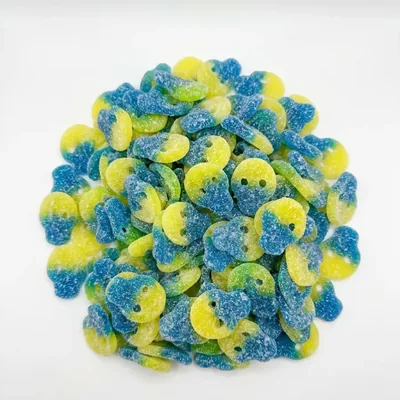
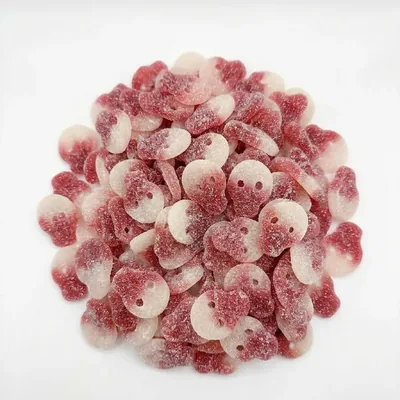
We import Swedish, Dutch and Spanish candy into Santa Fe Springs, California. Our current range is fruit, sour and foam led, so the brands above that appear on our own shelf are Matthijs, Frisia and Lonka from the Netherlands, plus the Swedish makers covered in our Swedish candy brands guide. We do not currently import black or salty licorice for the US market, and we would rather say so than sell you something adjacent.
Frequently asked questions
What is the most popular licorice brand in the world?+
By volume it is likely Haribo, whose German range includes licorice wheels alongside its gummy lines. By licorice reputation the answer is regional: Venco in the Netherlands, Malaco in Sweden, Fazer in Finland, Darrell Lea in Australia, and Twizzlers in the US, though Twizzlers sells mostly fruit rather than licorice.
Which licorice brands use real licorice root?+
Nordic and Dutch brands almost always do, including Venco, Klene, Malaco, Fazer, Halva and Lakrids by Bülow. Australian brands such as Darrell Lea use it too. American red ropes contain none, and American black ropes usually rely more on anise and molasses than on heavy root extract.
What is the best licorice brand for a beginner?+
A Danish coated licorice such as Lakrids by Bülow, or a soft sweet Dutch drop. Both give you a sweet layer before the licorice arrives. Skip Finnish salmiak and Dutch double salt on a first try, since they are the two most likely to end the experiment early.
Do you sell any of these licorice brands wholesale?+
We carry Matthijs, Frisia and Lonka from the Netherlands, but the SKUs we import from them are fruit and cola rather than licorice. We do not stock Nordic black or salty licorice at present. Everything in our range is sold by the case, mix and match, with no order minimum.
Is Australian licorice better than Dutch licorice?+
Different, not better. Australian licorice is soft, sweet and wheat-based, which makes it approachable. Dutch drop is firmer, less sweet, and often salted, which makes it more complex. Australian wins with new licorice eaters, Dutch wins with people who already like the flavour.

Gustav Lindqvist · Candy Master
Gustav grew up in Sweden on a strict Saturday-candy schedule, mixing his lördagsgodis bag at the lösgodis wall before he could spell salmiak. He has spent years tasting his way across Scandinavian candy, and now curates the range at TheSweetsTruck, from BUBS sour skulls to the saltiest licorice most people cannot finish.
Last updated 8/23/2026