Nordic Candy: A Guide to All Five Countries
What Nordic candy actually means, how Swedish, Danish, Norwegian, Finnish and Icelandic sweets differ, and which styles work on a US shelf.
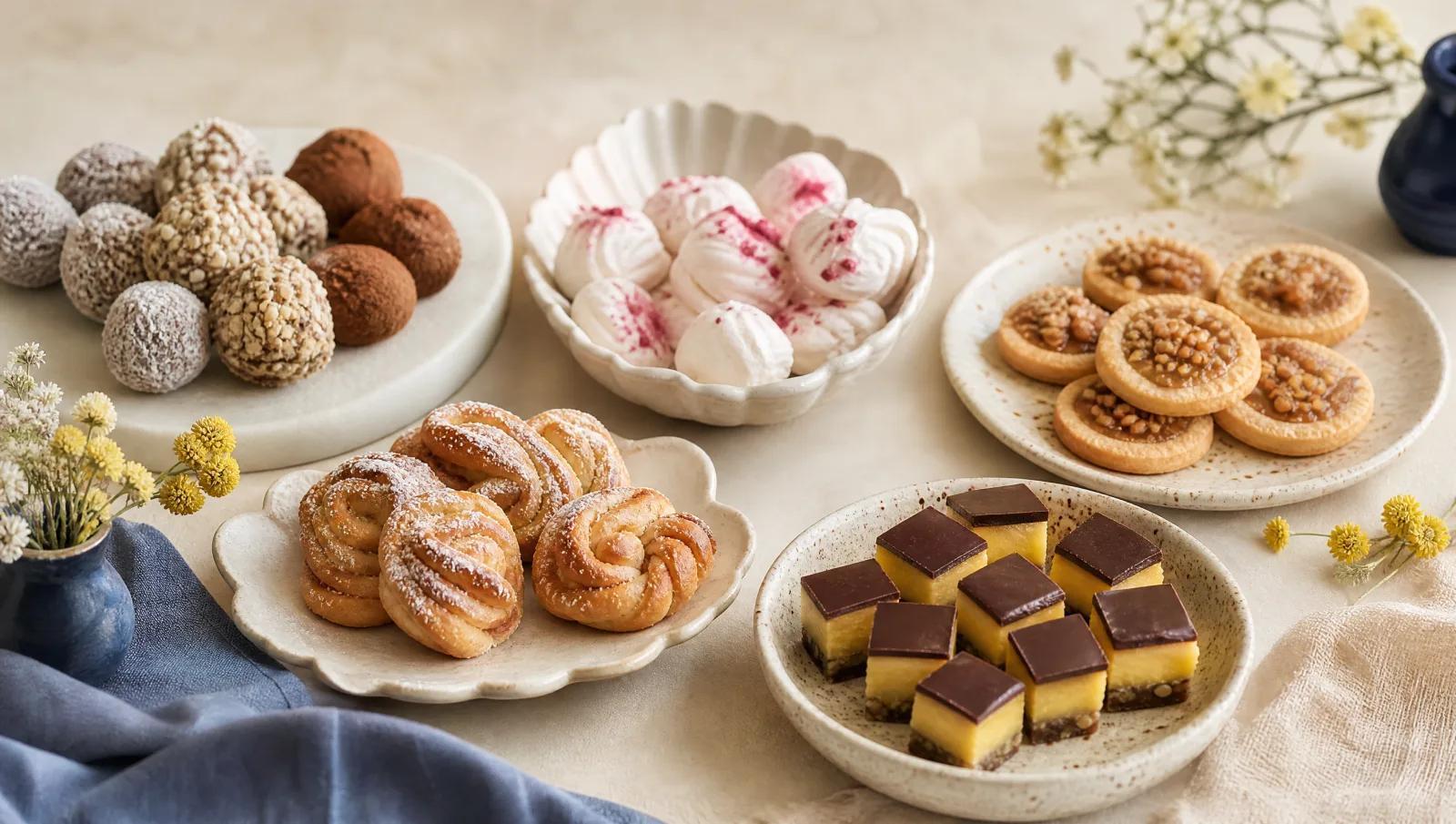
Nordic candy covers Sweden, Denmark, Norway, Finland and Iceland. All five share a pick-and-mix culture, a taste for salty licorice, and fruit flavours that are less sweet than American candy. The differences are in emphasis: Sweden leads on volume and variety, Denmark and Norway on licorice, Finland on salmiak, Iceland on licorice with chocolate. People use "Nordic" and "Scandinavian" as if they were the same word. They are not, and if you are buying for a shelf the distinction matters. This is the umbrella guide, with links down to the country-level pieces.
Nordic versus Scandinavian
Scandinavia is Sweden, Denmark and Norway. The Nordic region is those three plus Finland and Iceland, and depending who you ask, the Faroe Islands, Greenland and Åland.
For candy the distinction is real. Finland sits outside Scandinavia linguistically and culturally, and its candy tradition is genuinely different, most obviously in how far it pushes salmiak. Iceland is different again. If you label a shelf "Scandinavian" and stock Finnish salmiak on it, somebody will tell you. Our Scandinavian candy guide covers the three-country version, and Nordic candy comparison puts the styles side by side.
What all five have in common
Pick and mix as the default. Buying loose candy by weight is the normal way to buy sweets across the region, not a novelty. In Sweden it is lösgodis, and it is tied to a specific weekly ritual we describe in why Swedes eat candy on Saturdays. Every Nordic country has a version.
Licorice is a mainstream adult flavour. Not a niche, not a joke, not something only grandparents eat. Sweet licorice, salted licorice and salmiak all sit on the same wall as the fruit gummies.
Lower sweetness, sharper fruit. Nordic fruit candy generally reads as more acidic and less sugary than the American equivalent, which is the single most commented-on difference when Americans try it. We unpack that in Swedish candy vs American candy.
Gelling agents that are not always gelatin. European makers moved toward plant-based gelling earlier than the US industry did, which is why a Nordic gummy often passes a vegan check where its American counterpart fails. See does Swedish candy have gelatin.
Foam. Skum, aerated marshmallow-style candy, is a full category in the Nordics rather than an afterthought. There is more on it in Swedish foam candy.
Country by country
Country: Signature: Licorice style: Best known for
Sweden: Breadth. The biggest loose-candy culture in the region: Sweet and salted, plus salmiak: Foam, sour skulls, wine gums, pick and mix walls
Denmark: Licorice as a craft category: Strong, often salted, frequently paired with fruit: Licorice in every register, from soft to bone hard
Norway: Chocolate-forward, with serious licorice: Salted licorice and licorice pastilles: Chocolate bars and licorice, less pick-and-mix breadth
Finland: Salmiak, taken further than anywhere else: Salmiak as the dominant note: Ammonium chloride licorice, intensely savoury
Iceland: Licorice paired with chocolate: Salted and sweet, usually coated: Chocolate-covered licorice in every format
Sweden
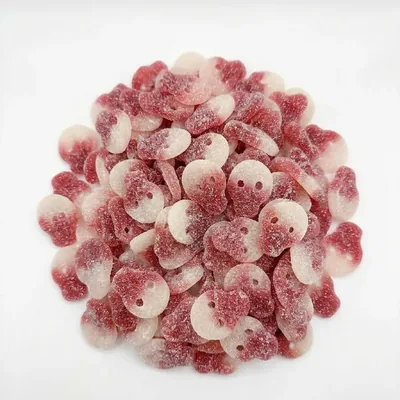
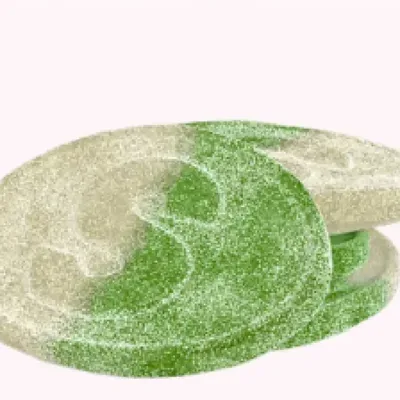
Sweden is the centre of gravity, and it is what we import. The candy wall is the national format, the range is enormous, and the styles are unusually well defined: foam, gum skulls, sour discs, wine gums, fruit slices, sour pacifiers. Start with what is Swedish candy or, if you are buying, how to stock Swedish candy.
Denmark
Danish candy is where licorice stops being a flavour and becomes a discipline. The country produces licorice in more textures and strengths than anywhere else in the region, and Danes will happily debate the merits of one salt level over another. Fruit candy exists, but licorice is what Denmark is known for. Full picture in the Danish candy guide, and the side-by-side in Danish vs Swedish candy.
Worth noting for US buyers: the Danish skull is a distinct style, and we carry Matthijs Danish Skulls as part of the skull range.
Norway
Norway skews more toward chocolate and pastilles than toward a wide loose-candy wall, and its licorice tradition runs strong. Norwegian candy is often the hardest of the five for an American palate to place, because the flavour references are less familiar. The Norwegian candy guide has the detail.
Finland
Finland is the outlier and the most interesting one. Salmiak, licorice flavoured with ammonium chloride, is a mainstream Finnish taste, and the Finnish versions go harder than the Swedish or Danish ones. To an American palate it reads as savoury, almost medicinal, and it is genuinely an acquired taste. That is not a criticism, it is a description. See the Finnish candy guide, what is salmiak, and is salty licorice an acquired taste.
Iceland
Iceland is small enough that its candy scene is easy to summarise: licorice, usually with chocolate. Chocolate-coated licorice is close to a national format there, and licorice turns up inside chocolate bars and ice cream in ways that surprise visitors. We do not currently import Icelandic lines, so we will not pretend to expertise we do not have. If you are building a genuinely pan-Nordic shelf, Iceland is the gap you will have to fill elsewhere.
Nordic styles we import


What to actually stock
If you are a US retailer building a Nordic section, our honest advice is to build it Swedish-first and add from there.
Sweden gives you the widest range of formats that Americans already understand: sour, fruity, chewy, foamy. That is your volume. Licorice is your differentiator, but it is a slower seller in most US markets and it deserves one or two bins rather than a quarter of the wall. Salmiak is a conversation piece and it will sell to a small, loyal, extremely enthusiastic group. Stock it, label it honestly, and do not expect it to move like the sour skulls do.
The mistake we see most often is a buyer who loves salty licorice building a wall around it. The correct move is the reverse: build the wall around the fruit and sour formats that carry the traffic, then use licorice to make the section feel authentic rather than generic. How to run pick and mix covers the layout side.
Frequently asked questions
What counts as Nordic candy?+
Candy from Sweden, Denmark, Norway, Finland and Iceland. Scandinavian is the narrower term and covers only Sweden, Denmark and Norway. Finland and Iceland are Nordic but not Scandinavian, and both have distinct candy traditions.
What is the difference between Nordic and Scandinavian candy?+
Scandinavian candy is Swedish, Danish and Norwegian. Nordic adds Finland, which pushes salmiak much further than its neighbours, and Iceland, where licorice paired with chocolate is close to a national format.
Which Nordic country has the best candy?+
That is a matter of taste, and we are biased. Sweden has by far the widest range and the strongest pick-and-mix culture, Denmark makes the best licorice, and Finland makes the most distinctive candy of the five. If you want one country to start with, Sweden.
Is all Nordic candy salty licorice?+
No, and this is the biggest misconception. Salty licorice is the most talked-about Nordic candy abroad, but the bulk of what actually sells across the region is fruit gummies, sour candy and foam. Licorice is a strong minority category, not the default.
Can I buy Nordic candy wholesale in the US?+
Yes. We import Swedish and European candy direct and ship from Santa Fe Springs, California to the US and Canada. Order by the case, mix and match, no order minimum, at public Tier 1 pricing.
Why does Nordic candy taste less sweet?+
The formulations lean harder on acidity and on distinct fruit notes rather than on sugar volume, and the sour coatings are genuinely more aggressive. Americans tasting it for the first time usually describe it as sharper and more flavoured rather than less sweet, which is closer to what is actually happening.

Gustav Lindqvist · Candy Master
Gustav grew up in Sweden on a strict Saturday-candy schedule, mixing his lördagsgodis bag at the lösgodis wall before he could spell salmiak. He has spent years tasting his way across Scandinavian candy, and now curates the range at TheSweetsTruck, from BUBS sour skulls to the saltiest licorice most people cannot finish.
Last updated 8/23/2026