Swedish Food: 30 Things to Try (and Where Candy Fits)
Thirty Swedish foods to try, from meatballs and pickled herring to fika buns, semlor and the lördagsgodis candy wall, with the cultural notes that explain how they fit together.
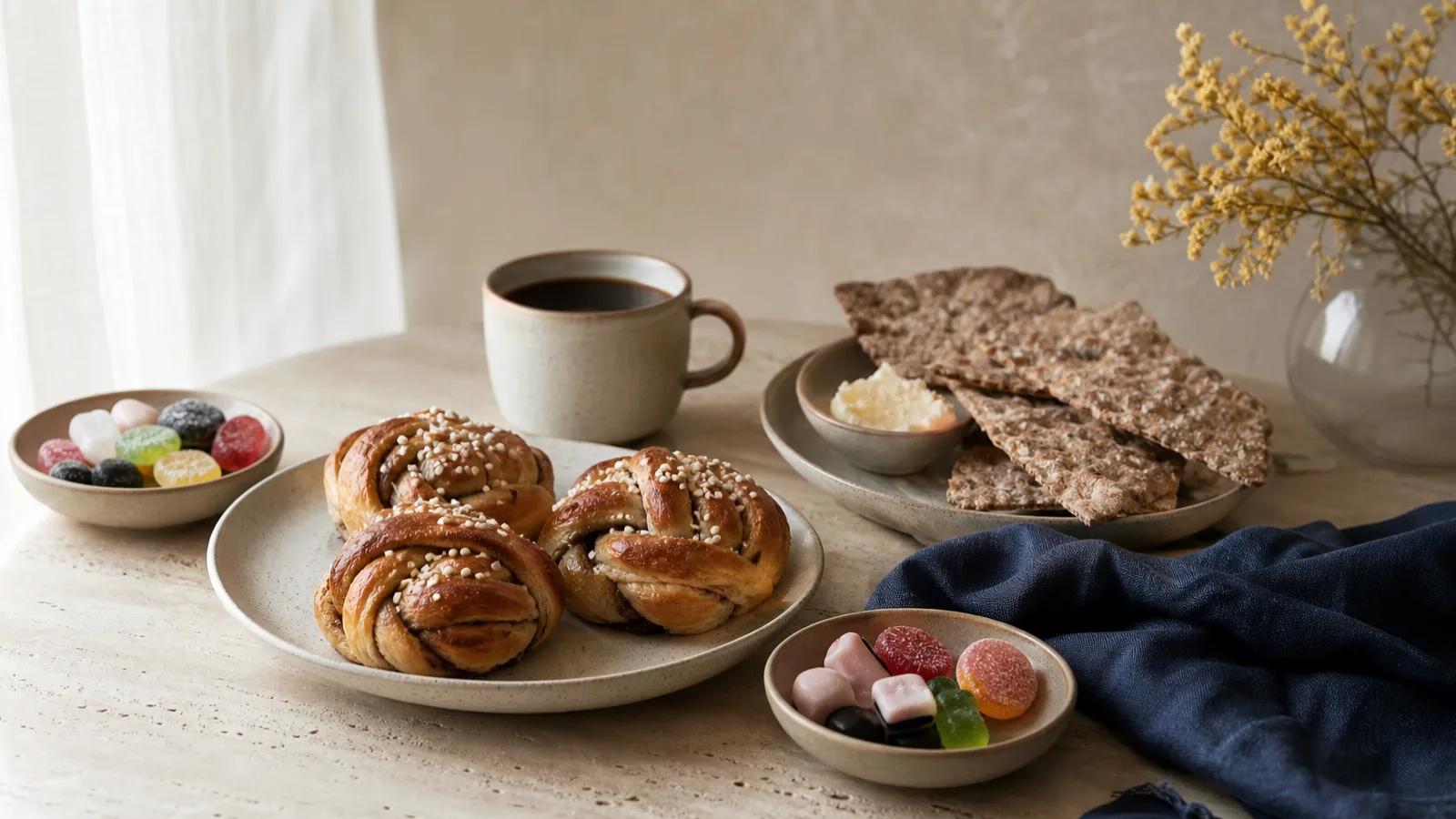
Swedish food is home cooking shaped by a long winter: fish, pork, potatoes, rye and dairy, from meatballs with lingonberry to pickled herring and pea soup. Sweetness runs on its own clock, at the coffee break called fika and in the Saturday candy bag. Here are 30 things to try.
The list covers the savoury canon, the bakery, the seasonal table and the candy aisle, with sources along the way. We import Swedish candy for US and Canadian shops, so the candy half is the part we know from the invoice; the food half leans on the wider Scandinavian guide this journal keeps. No recipes below, just what to try, what it is, and where it fits.
What are the 30 Swedish foods to try?
Thirty is a lot, so here is the shape: eleven savoury staples, eight from the bakery, five seasonal plates and six from the pantry and the candy shelf. The cultural details in this section follow sweden.se's overview of Swedish food, which is worth reading in full.
Savoury staples and husmanskost
- Köttbullar (meatballs): small beef-and-pork meatballs with cream gravy, boiled potatoes, pressed cucumber and lingonberry jam. The lingonberry is not a garnish, it is the sour element the dish balances around, and sweden.se's portrait of the dish sets out the details people disagree on.
- Gravlax: salmon cured with salt, sugar and dill, sliced thin and served with mustard sauce. Cured rather than smoked, which is the distinction that catches people out.
- Inlagd sill (pickled herring): herring in mustard, onion or dill dressing, the center of the smorgasbord. It has been pickled here since the Middle Ages, originally as a way to preserve fish rather than a flavor project.
- Ärtsoppa och pannkakor: yellow pea soup with pork followed by thin pancakes, eaten on Thursdays by tradition and still served in lunch restaurants on that day.
- Janssons frestelse: a gratin of potato, cream, onion and cured sprats. Salty, rich, and a fixture of the Christmas table rather than the everyday one.
- Pyttipanna: diced potato, onion and leftover meat fried together with a fried egg on top. The national leftovers dish, and better than it sounds.
- Raggmunk med fläsk: crisp potato pancakes with fried pork and lingonberry. The third appearance of lingonberry on this list, and not the last.
- Toast Skagen: shrimp, dill and roe in mayonnaise on toasted bread, the starter that opens almost every Swedish party menu.
- Smörgåstårta: the savoury sandwich cake, built from layers of bread with shrimp, egg, ham and mayonnaise, frosted with cream cheese. Alarming to look at, genuinely good, made for celebrations.
- Räksmörgås: the open shrimp sandwich on a single slice of bread, piled with egg, lettuce, tomato and dill. Open sandwiches go back centuries here, and this is their showpiece.
- Surströmming: fermented Baltic herring from northern Sweden, opened outdoors because of the smell. The premiere traditionally happens on the third Thursday of August (sweden.se), and yes, people celebrate it.
The bakery
- Kanelbulle: the cinnamon bun, smaller and less sweet than an American cinnamon roll, usually knotted and finished with pearl sugar rather than icing. It has its own day, and the modern bun dates to around 1920 (Kanelbullens dag).
- Kardemummabulle: the same dough with cardamom instead of cinnamon, and the version many would call the true national bun.
- Semla: a cardamom bun filled with almond paste and whipped cream, eaten around Shrove Tuesday and in practice all late winter. Traditionally it was served in a bowl of warm milk, called hetvägg (sweden.se).
- Prinsesstårta: sponge, jam and vanilla custard under a dome of whipped cream and green marzipan, with a pink marzipan rose on top. The bakery-window showpiece for birthdays and graduations.
- Kladdkaka: deliberately underbaked chocolate cake, warm and gooey in the middle, served with whipped cream. The easiest Swedish bake to love.
- Chokladbollar: cocoa and oat balls rolled in coconut or pearl sugar, the no-bake staple of every Swedish coffee table.
- Pepparkakor: thin gingerbread biscuits, spiced with ginger, cinnamon and cloves, and eaten by the tin through winter.
- Lussekatter: saffron buns with raisin eyes, eaten around Lucia on December 13 (sweden.se) and through the December that follows.
The seasonal table
- The midsummer plate: pickled herring, boiled new potatoes with dill, sour cream and chives, followed by strawberry cake. Midsummer's Eve is always a Friday between June 19 and 25 (sweden.se).
- Kräftskiva: the August crayfish party, with paper hats, paper lanterns and schnapps songs. Crayfish went from aristocratic delicacy to national summer ritual (sweden.se).
- Julbord: the Christmas table: ham, prinskorv sausages, pickled herring, Jansson's temptation and rice porridge, eaten on December 24 (sweden.se).
- Julmust and glögg: the Christmas soda and the mulled wine with almonds and raisins that mark the Advent Sundays. Both are seasonal to the point that shelves rearrange for them in November.
- Påskbord: the Easter table of eggs, herring, cured salmon and lamb, followed by its own genre of candy, påskgodis.
The pantry and the candy shelf
- Knäckebröd: the rye crispbread that carries cheese, herring, boiled eggs or plain butter. Swedish kitchens treat it as the default bread, and it keeps for months.
- Kaviar på tub: fish-roe paste in a tube, squeezed onto boiled eggs or crispbread at breakfast. Tubes are not a novelty in Swedish supermarkets, they are how a lot of food ships.
- Filmjölk: soured milk poured over flakes or muesli, a normal breakfast rather than a statement.
- Falukorv: the mild ring sausage, sliced and fried with macaroni or potatoes, the weeknight dinner of many a Swedish childhood.
- Lördagsgodis: the Saturday candy bag, the weekly slot when the candy ritual happens, bought loose by weight. It gets its own section below.
- Salmiak: salty licorice, the ammonium chloride bite that divides the world. Start small, and read the aisle section before committing to a case.
What is kanelbulle and why does it have its own day?
The cinnamon bun is the centerpiece of Swedish baking: smaller and less sweet than an American cinnamon roll, usually knotted rather than spiraled, and finished with pearl sugar rather than frosting. Kanelbullens dag, Cinnamon Bun Day, falls on October 4, and the modern bun itself dates to around 1920 (Kanelbullens dag). The whole point is the pairing, one bun and one coffee taken as a pause, and the deeper baking survey is in Scandinavian desserts.
What is fika?
Fika is the coffee pause with something sweet, taken daily and socially, morning as well as evening, at home, at work or in a café (sweden.se on the bun tradition and fika). It is not a dessert course, and that distinction explains the whole Swedish baking repertoire: the goods are built to sit beside coffee, portable and not too rich. Candy runs on a parallel ritual rather than a place at the table, which is why both exist without competing.
What is in a Swedish supermarket candy aisle?
Walk into a Swedish supermarket and the candy section is a wall: dozens of open bins, a scoop or tongs, and a paper bag priced by weight. This is lösgodis, loose candy, and it is the default format rather than a novelty. The week is organized around it. Lördagsgodis, Saturday candy, concentrates the sweet buying into one day, a rhythm we unpack in why Swedes eat candy on Saturdays.
Five classic cases we import:
Swedish classics we stock

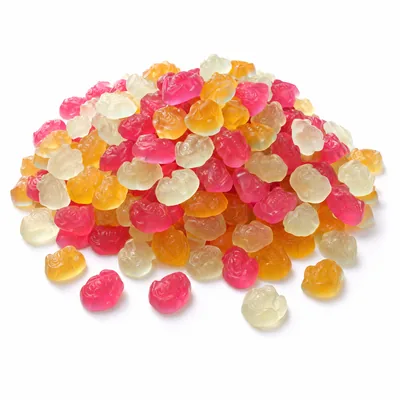
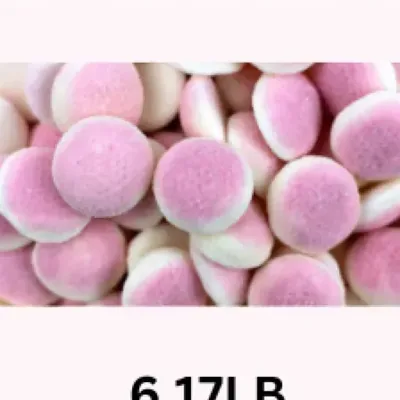

- BUBS Banana: soft foam ovals with a full banana flavor, one of the gentle entries for a first bag. Tags as listed: gelatin-free, halal, vegan. A 6.17 lb (2.8 kg) case; $7.76 per lb computed from the published $47.90 case price. The rest of the maker's range is on the BUBS brand page.
- Aroma Tropical Frogs: firm fruit frogs, more chew than foam, with a tropical flavor mix. Tags as listed: none, and the ingredient list we hold names gelatine. A 9.92 lb (4.5 kg) case; $7.05 per lb computed from the published $69.90 case price.
- Strawberry Dream: soft strawberry marshmallow pieces, the sweet end of the wall. Tags as listed: none, and the ingredient list we hold names gelatin. A 6.60 lb (3 kg) case; $6.50 per lb computed from the published $42.90 case price.
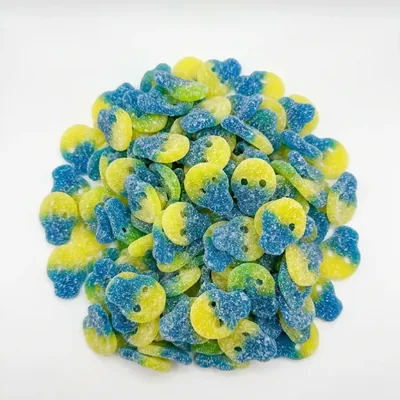
- Matthijs Swedish Skulls: chewy skulls under a light sugar dust, sour but not aggressive. Tags as listed: gluten-free, halal, vegan, vegetarian. The listing is a single 4.41 lb (2 kg) bag, with a case of 6 option on the same page; $8.16 per lb computed from the published $36.00 price for the 4.41 lb unit.
- Franssons Foam Strawberries: the skumjordgubbar that anchor the classic Saturday bag, light and airy with a strawberry finish. Tags as listed: none, and the ingredient list we hold names gelatin. A 2.65 lb (1.2 kg) case; $7.51 per lb computed from the published $19.90 case price.
Where does candy fit in the Swedish year?
The sweet calendar runs alongside the savoury one. Semlor from the new year until Shrove Tuesday. Påskgodis at Easter, on a table of eggs, herring and lamb. Strawberries and the first ice cream of summer in June. Crayfish and their parties in August. Then the long run: Advent candles and glögg on the four Sundays before Christmas, julgodis in the tins, and the julbord on December 24. The full seasonal table, country by country, is in traditional Scandinavian food; for a buying year built around these dates, see the Swedish candy calendar.
How is a Swedish table different from an American one?
- Sweetness has a time slot: fika mid-morning or mid-afternoon with coffee, not a dessert after dinner. The baking canon is built for exactly that slot.
- The savoury register leans sour and salt: pickled, cured and preserved, with jam used as a counterpoint rather than a finale.
- Candy is scheduled: Saturday, bought loose by weight, not an all-week impulse. That single rule shapes what gets made and how much gets bought.
- Coffee is the constant: the pause matters more than the pastry, which is why a plain bun works better at 3pm than a fancy dessert would.
What should first-timers know about the strong stuff?
Two items on the list above sort people into camps: surströmming and salmiak. Neither is a stunt, and both are traditions with devoted followings. The fair way in is a small piece and an open mind; taste is personal, and these two are genuinely divisive. If you want a structured first pass at the salty end, begin with a mild salmiak before you try a double-salt version, and keep something sweet within reach as a palate reset. The rest of the list is gentle by comparison, which is the point of trying thirty things rather than ten.
If the sweet half of this list is what brought you here, browse the store for the cases we import, and read fika and candy for how the coffee break and the Saturday bag fit together.
Frequently asked questions
What is the most famous Swedish food?+
Meatballs, usually: köttbullar with cream gravy, potatoes and lingonberry jam, the dish everyone knows from furniture-store cafeterias as much as from Swedish homes. Pickled herring is the other candidate, and arguably more central to the traditional table. If you only try one sweet thing, make it a kanelbulle with coffee.
What is husmanskost?+
It translates roughly as "houseman's fare": the plain everyday cooking of Swedish households, still served at lunch restaurants. Meatballs, pea soup, potato pancakes, herring and gratins. It is thrifty by design, built on what a northern household had on hand, and it is the heart of the traditional canon rather than restaurant cooking.
What is the difference between a kanelbulle and a cinnamon roll?+
A kanelbulle is smaller, less sweet and often knotted rather than spiraled, with pearl sugar on top instead of a glaze. No frosting, no icing. The cardamom version, kardemummabulle, is the connoisseur's pick. Both are fika food: built to sit next to coffee rather than to finish a meal.
What is fika?+
A daily coffee break with something sweet, taken with other people and treated as a normal part of the workday. The pastry matters less than the pause. Bakeries and cafés build around it, and it is the reason Swedish baking skews to portable buns and biscuits rather than plated desserts.
Do Swedes eat dessert after dinner?+
Mostly no on weekdays. The sweet moment is fika, earlier and separate, and the dessert canon appears at celebrations: semlor in late winter, princess cake for milestones, rice porridge at Christmas. If you are cooking a Swedish dinner, plan the sweets for coffee rather than for after the meal, and the evening will feel correct.
Is surströmming really as bad as they say?+
It is fermented herring, opened outdoors because the smell is overpowering, and it is a genuine tradition in northern Sweden rather than a prank. Some people love it; most first-timers do not. That is fine. Swedish food culture has plenty of gentler entry points, and salty licorice is only the second-strongest test.
What candy should I try from Sweden?+
Start with the wall logic: one foam piece, one sour piece, one chew and one salty licorice. Skulls, pacifiers and foam strawberries are the approachable end; salmiak is the test. The candy aisle picks above are the cases we actually import, and every dietary tag on this page comes straight from the listing text.
Keep reading

Gustav Lindqvist · Candy Master
Gustav grew up in Sweden on a strict Saturday-candy schedule, mixing his lördagsgodis bag at the lösgodis wall before he could spell salmiak. He has spent years tasting his way across Scandinavian candy, and now curates the range at TheSweetsTruck, from BUBS sour skulls to the saltiest licorice most people cannot finish.
Last updated 11/3/2026