Traditional Scandinavian Food, Country by Country
Traditional Scandinavian food by country: Swedish husmanskost, Danish smorrebrod, Norwegian farikal, plus the seasonal food calendar and where fika and candy fit.

Traditional Scandinavian food is everyday home cooking built on fish, pork, potatoes, rye and dairy. Sweden calls it husmanskost: meatballs, pea soup, potato gratins and pickled herring. Denmark centres on open rye sandwiches and roast pork. Norway leans on lamb, cabbage and preserved fish. Sweetness sits outside the meal, at the afternoon coffee break and in weekly candy. Every one of these dishes was designed around what kept through a northern winter and what a household could afford on a weekday. That is why the traditional canon is short, repetitive, and much better than it sounds on paper.
Sweden: husmanskost
Husmanskost translates roughly as "houseman's fare", the plain cooking of ordinary households. It is still what Swedish lunch restaurants serve at noon.
Köttbullar. Small pork and beef meatballs with cream gravy, lingonberry jam, boiled potatoes and pickled cucumber. The lingonberry is not a garnish, it is the sour element the dish needs.
Ärtsoppa och pannkakor. Yellow pea soup with pork and mustard, followed by thin pancakes with jam. Eaten on Thursdays, an institution that has outlived every explanation ever offered for it.
Janssons frestelse. A gratin of potato, cream, onion and cured sprats. Salty, rich, and a fixture on the Christmas table.
Raggmunk med fläsk. Crisp potato pancakes with fried pork and lingonberry.
Pyttipanna. Diced potato, onion and leftover meat fried together, topped with a fried egg and pickled beets. The national leftovers dish.
Inlagd sill and gravad lax. Pickled herring in several dressings, and dill-cured salmon with mustard sauce.
Smörgåstårta. A savoury layered "sandwich cake" of bread, shrimp, egg and mayonnaise, served at parties. Alarming to look at, genuinely good.
Denmark: rye, pork and open sandwiches
Danish cooking is the richest of the three and the most sandwich-centric.
Smørrebrød. One slice of dense dark rye, one considered topping, eaten with cutlery. Classics include liver pâté with bacon and mushrooms, roast pork with red cabbage, and pickled herring with curry salad. Order is observed: fish first, then meat, then cheese.
Stegt flæsk med persillesovs. Thick slices of pork belly fried crisp, with parsley cream sauce and potatoes. Widely considered Denmark's national dish.
Frikadeller. Pan-fried pork meatballs, flatter and larger than the Swedish ones, served hot with potatoes or cold on rye.
Flæskesteg. Roast pork with crackling, with red cabbage and brown-sugared potatoes at Christmas.
Hakkebøf med bløde løg. Beef patty with a mountain of slow-cooked soft onions.
Pølser. The sausage cart is a real institution, and the red sausage with remoulade and crispy onion is a Danish rite of passage.
Norway: lamb, cabbage and preserved fish
Norwegian tradition is the plainest and the most tied to the coast and the mountain farm.
Fårikål. Mutton and cabbage layered with whole black peppercorns and simmered for hours. Often called Norway's national dish, and it has its own feast day on the last Thursday of September.
Kjøttkaker. Large meat cakes in brown gravy with mushy peas and lingonberry.
Raspeballer or komle. Dense potato dumplings served with salted meat, a west coast staple.
Fiskesuppe and fiskekaker. Creamy fish soup, and fried fish cakes eaten the way Americans eat a burger.
Lutefisk and rakfisk. Lye-treated dried cod, and fermented trout. Both are seasonal, both are divisive, and both are eaten with real affection.
Brunost on lefse. Caramelised brown whey cheese, sliced thin with a cheese plane, on soft potato flatbread.
The seasonal calendar
Traditional Scandinavian food is calendar food. This is the year most Swedes, Danes and Norwegians actually eat.
Time of year: What is on the table
January to February: Semlor: cardamom buns with almond paste and cream, eaten from the new year through Shrove Tuesday. Denmark has its own fastelavnsboller.
March to April: Easter tables of eggs, herring, cured salmon and lamb, plus a serious volume of Easter candy
May: Norway's Constitution Day on the 17th, celebrated with hot dogs and ice cream on an industrial scale
June: Midsummer: new potatoes with dill, pickled herring, sour cream and chives, the first strawberries
July to August: Crayfish parties in Sweden with paper hats and schnapps, and the fermented herring premiere traditionally on the third Thursday of August
September to October: Fårikål season in Norway, mushrooms, game and apples everywhere, and Cinnamon Bun Day in Sweden on October 4
November: St Martin's Eve on the 10th: goose in southern Sweden, roast duck in Denmark
December: Julbord and julefrokost, Lucia buns and gingerbread on the 13th, glögg, rice porridge with a hidden almond, pinnekjøtt or ribbe in Norway
Where fika and sweets fit
Here is the structural thing most American guides miss: traditional Scandinavian meals do not usually end in dessert. Sweetness has its own slot in the day.
Fika is the coffee pause, once or twice daily, with something baked. On a weekday that is a cinnamon bun or a couple of dry biscuits. On a formal occasion the old rule was sju sorters kakor, seven kinds of cookies, which is exactly as much work as it sounds. The ritual matters as much as the pastry, and we cover it in fika and candy.
Festival desserts are separate and seasonal: semlor in late winter, cloudberry cream and rice cream at Christmas in Norway, risalamande with its hidden almond in Denmark, apple cake in autumn. These are the courses that do arrive after dinner, and only on the days that call for them. The full baking side is in Scandinavian desserts.
Candy is a third category again, and in Sweden it has a weekly rather than daily rhythm. Lördagsgodis, Saturday sweets, concentrates the week's candy into one day, bought loose by weight from a pick-and-mix wall. That habit is why Sweden's candy is so format-driven: dozens of open bins compete on shape and texture, not on packaging. We explain the origin in why Swedes eat candy on Saturdays.
Everyday Scandinavian godis
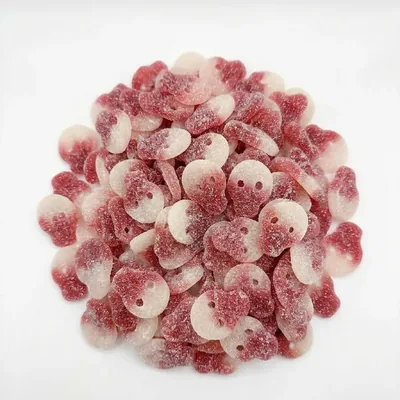
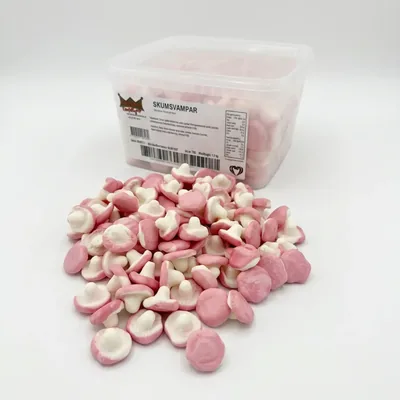
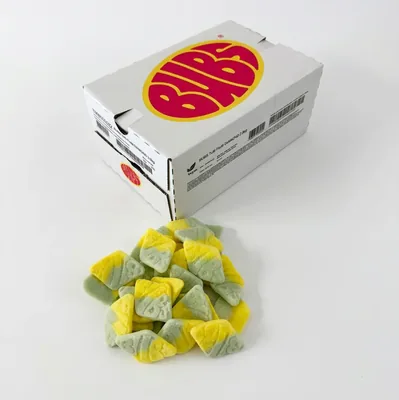
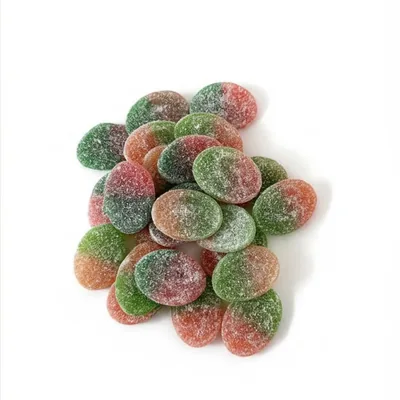
Danish and Norwegian candy traditions differ from the Swedish one in ways worth knowing if you are stocking a shelf. See the Danish candy guide and the Norwegian candy guide for the differences, and Scandinavian food for the wider culinary picture.
The sweet half of the tradition
We import Swedish and European candy direct into Santa Fe Springs, California and ship across the US and Canada. Browse the store if you want the godis half of a Scandinavian table, or read what is Swedish candy first. Shops, cafes and grocers can apply for a wholesale account.
Frequently asked questions
What is the most traditional Scandinavian dish?+
There is no single one, but the three national anchors are Swedish meatballs with lingonberry, Danish stegt flæsk with parsley sauce, and Norwegian fårikål. All three are cheap cuts, long cooking, and a sharp or sour counterpoint on the plate.
What is husmanskost?+
The Swedish term for traditional everyday home cooking: meatballs, pea soup, potato pancakes, pyttipanna, pickled herring. It is still the standard weekday lunch menu across Sweden, usually served with salad, crispbread and milk.
What do Scandinavians eat for Christmas?+
A large cold and warm spread. Sweden and Denmark set a julbord or julefrokost of herring, cured ham or roast pork, meatballs, sausages and rice porridge. Norway serves pinnekjøtt or ribbe. Candy and baked goods run alongside the whole month, as we cover in [Swedish candy at Christmas](/journal/swedish-candy-christmas).
Do Scandinavians eat dessert after dinner?+
Not usually on a weekday. Sweetness lives at the afternoon coffee break and, in Sweden, in Saturday candy. Proper desserts are tied to festivals: semlor before Lent, rice puddings at Christmas, apple cake in autumn.
What is fika?+
A scheduled coffee break with something baked, taken with other people. It is a social unit of time as much as a snack, and refusing one is mildly antisocial. Cinnamon and cardamom buns are the default accompaniment.
Is Scandinavian food spicy?+
Rarely hot, but it is not bland. The seasoning vocabulary is dill, caraway, juniper, allspice, mustard, horseradish and vinegar, and the plate is usually balanced by something sour: pickles, lingonberry, or red cabbage.

Gustav Lindqvist · Candy Master
Gustav grew up in Sweden on a strict Saturday-candy schedule, mixing his lördagsgodis bag at the lösgodis wall before he could spell salmiak. He has spent years tasting his way across Scandinavian candy, and now curates the range at TheSweetsTruck, from BUBS sour skulls to the saltiest licorice most people cannot finish.
Last updated 8/23/2026