White Licorice Candy: What It Means in Each Market
White licorice is not licorice colored white. It usually means a cream or coconut filling, a white coating, or an anise candy. Here is what each market means by it.
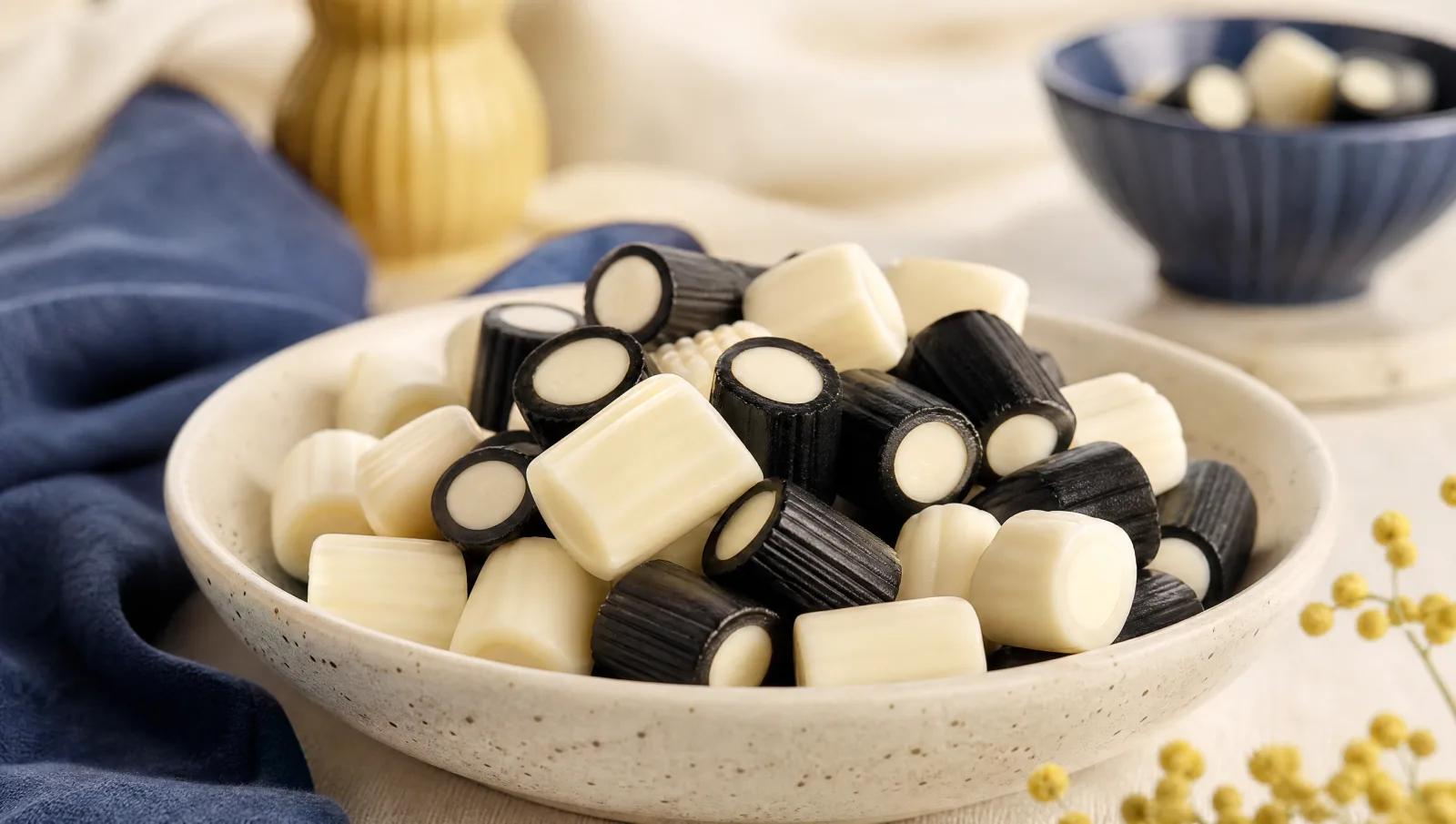
White licorice is not licorice that has been colored white. The term almost always means one of three things: a licorice piece with a pale cream or coconut filling, a licorice center under a white chocolate or coconut coating, or an anise-flavored white candy sold as licorice. Real licorice root extract is always dark. We import Nordic and European candy, so we get asked about licorice styles constantly, and "white licorice" is the one where the answer genuinely changes depending on which country the shopper grew up in. Here is the whole picture.
Why licorice is never naturally white
Licorice flavor comes from the root of *Glycyrrhiza glabra*. The extract pressed from that root is a dark, near-black, slightly bitter syrup. Put enough of it in a candy to taste it and the candy goes dark. That is the entire reason black licorice is black. Makers often deepen the color further with added coloring, but the base color is already there in the ingredient.
So anything sold as white licorice gets its color from something that is not licorice extract: coconut, fondant, sugar shell, white chocolate, or in the Nordic case, salmiak powder, which is a white crystalline salt.
There is a second route to a pale "licorice" candy, and it is worth knowing about. Anise and star anise carry a flavor compound that reads as licorice to most people, without the dark color and without the root. A large share of candy sold as licorice in the US and Australia is anise-flavored, which is why you can find it in white, red, pink, or any other color.
The four things "white licorice" usually means
Style: What it actually is: Where you hear the term: How it tastes
Filled licorice: A dark licorice casing around a soft pale fondant or cream center: Sweden, Denmark, Netherlands: Licorice on the outside, sweet and mellow in the middle
Coconut licorice: A licorice layer paired with coconut fondant, sometimes as a coating, sometimes as a stripe: Netherlands (kokosdrop), UK (the pale layers in licorice allsorts are typically coconut fondant): Sweet and creamy against a savory licorice base
White-coated licorice: A licorice center inside a white chocolate or yogurt-style shell, most familiar as Australian white licorice bullets: Australia, UK: The coating leads, licorice arrives second
Anise white candy: A white or pale candy flavored with aniseed rather than licorice root: US, Australia: Clean licorice-adjacent flavor, no earthiness
If someone asks for white licorice without saying more, filled licorice is the safest guess in a Nordic context and the white chocolate bullet is the safest guess in an Australian or British one.
What "white" tells you about sweetness
Quite a lot, as it happens. In every one of the styles above, the white part is the sweet part. Fondant centers, coconut layers, and white chocolate shells all sit at the sugary end, and they exist precisely to soften the licorice.
That makes white and filled licorice the standard entry point for anyone who finds straight Nordic licorice too intense. It is the same logic as a filled chocolate: the shell carries the character, the center carries the comfort. If you are working your way into the category, our guide on how to eat salty licorice walks through the sequence, and is salty licorice an acquired taste is honest about who never gets there.
White licorice is not the same as salty licorice
This is the confusion that causes the most disappointed faces at a candy counter. Salty licorice gets its bite from salmiak, which is ammonium chloride. Salmiak in its raw form is a white powder, so some Nordic products do have a white salmiak core or a white salmiak dusting, and a shopper who sees white assumes sweet.
They are close to opposites. A white cream filling is there to dial the licorice down. A white salmiak center is there to dial it up, sharply. If you are buying for someone else and you are not sure which you are holding, read the pack. Our explainers on what salmiak is and salty black licorice cover the difference properly.
The Dutch and Nordic split
The Netherlands and the Nordic countries are the two great licorice cultures in Europe, and they diverge on exactly this point. Dutch drop leans heavily on filled, coated, and coconut-paired styles, and the sweet end of the Dutch range is very sweet indeed. Nordic licorice keeps more of the raw root character and is far more willing to go salty.
Both traditions produce something a US shopper would call white licorice, but they arrive at it from different directions. We compare the two ranges in Swedish vs Dutch licorice.
What we actually import
Straight answer, because this is the part most licorice articles skip: we do not currently import a filled white licorice or a salmiak line. If you are a buyer looking for either, tell us and we will say honestly whether we can source it rather than sell you something adjacent.
What we do carry in the licorice format is the rolled and sliced style. These are licorice-shaped rather than licorice-flavored: bright fruit flavors built in the layered roll and slice construction that the licorice trade uses.
Rainbow Rolls, a layered roll in a 6.6 lb case, which adds height and color to a bulk wall
Blue Raspberry Licorice Slices, the slice format in blue raspberry
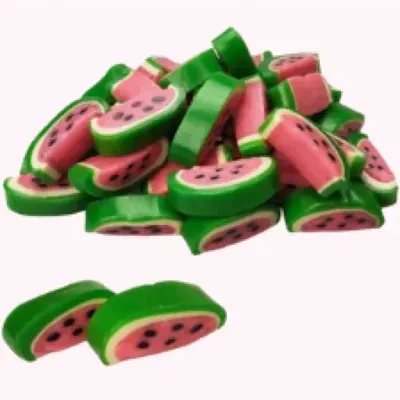
Watermelon Licorice Slices, the same format in watermelon
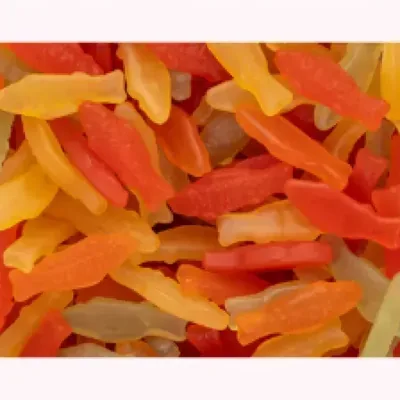
Pastel Fish, which is not licorice at all but is the pale, soft-colored piece buyers usually pair with these on a wall
Licorice-format cases we stock


For retailers
White and filled licorice sells to a different shopper than black licorice does, and it is worth separating them on the wall. Black licorice buyers know what they want and go straight to it. Pale and filled styles get picked up by people who are curious but cautious, which means they need to sit where browsing happens, not in the licorice corner.
Label plainly, in words rather than color coding. "Licorice with a cream center" moves more product than a bin labeled "white licorice", because the second one makes the shopper guess.
Our cases ship from Santa Fe Springs, California, on UPS Ground or UPS Express in the US, and DDP to Canada with duties paid at checkout in 3 to 5 days. Order by the case, mix and match, no order minimum. Tier 1 wholesale pricing is public, so you can cost a wall before you talk to anyone.
Frequently asked questions
What is white licorice candy?+
White licorice is a catch-all term for licorice with a pale element: a cream or fondant filling, a coconut layer, a white chocolate coating, or an anise-flavored white candy sold under the licorice name. It is never licorice extract that has been made white, because the extract itself is dark.
Is white licorice real licorice?+
Sometimes. Filled, coconut, and white-coated styles usually do contain licorice root extract in the dark part of the piece. Anise-flavored white candy generally does not contain licorice root at all, it just tastes similar. Check the ingredient list if it matters to you.
What is the white layer in licorice allsorts?+
The pale pink and white layers in British licorice allsorts are typically a coconut fondant pressed against black licorice. That coconut layer is the reason allsorts taste sweeter and creamier than a plain licorice piece.
Is white licorice sweeter than black licorice?+
Yes, as a rule. The white component in every common style is the sugary one, and it exists to soften the licorice. The one exception is salmiak, which is also white and does the opposite by making the piece sharper and saltier.
Do you sell white licorice?+
Not at the moment. We do not import a filled white licorice or a salmiak range. We carry the licorice roll and slice format in fruit flavors, and if you are a wholesale buyer who needs true filled licorice, ask us directly and we will give you a straight answer on sourcing.
Is white licorice the same as salty licorice?+
No, and they are close to opposites. White and filled licorice softens the licorice hit with sweetness. Salty licorice adds salmiak to intensify it. Both can look pale, which is exactly why people get caught out.

Gustav Lindqvist · Candy Master
Gustav grew up in Sweden on a strict Saturday-candy schedule, mixing his lördagsgodis bag at the lösgodis wall before he could spell salmiak. He has spent years tasting his way across Scandinavian candy, and now curates the range at TheSweetsTruck, from BUBS sour skulls to the saltiest licorice most people cannot finish.
Last updated 9/25/2026