Australian Licorice vs Nordic Licorice: A Head-to-Head
Australian soft licorice is sweet, mild and chewy. Nordic licorice is firmer and often salty with salmiak. Texture, sweetness and who each style suits.
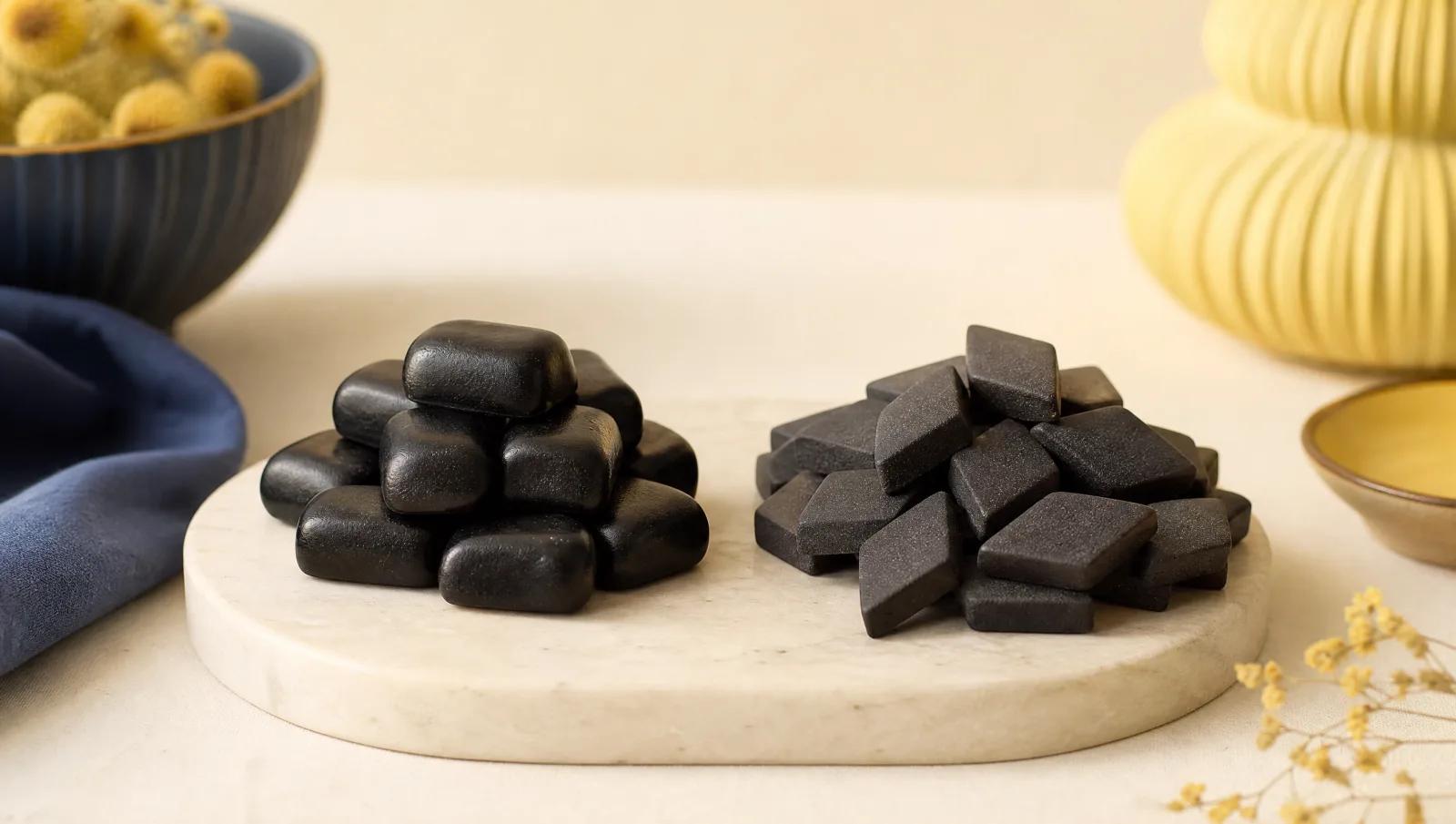
Australian licorice is soft, sweet and mild, built on wheat flour and molasses and usually sold as a chewy rope or a bite-size log. Nordic licorice is firmer, more concentrated, and often salty because it carries salmiak (ammonium chloride). Australian style suits newcomers and kids. Nordic style suits people who want licorice to bite back. Both are called licorice in English, and that single shared word hides two genuinely different confectionery traditions. Here is the comparison, from someone who moves cases of Nordic candy for a living rather than from a taste-test blog.
The two styles side by side
: Australian soft licorice: Nordic licorice
Texture: Soft, pliable, almost bread-like chew: Firmer and denser, more elastic, longer chew
Sweetness: High, sugar forward: Low to moderate, sweetness sits behind the flavor
Salmiak: None: Common, from a faint edge to the dominant note
Flavor lead: Molasses and caramel, licorice in the background: Licorice root front and center
Typical base: Wheat flour, molasses or golden syrup, licorice extract: Licorice extract with wheat flour or starch, plus salmiak in the salty styles
Common formats: Ropes, logs, bullets, bite-size blocks: Pipes, coins, discs, filled pieces, hard boiled salmiak sweets
First reaction from a US shopper: Familiar, reads as a chewy candy rope: Polarizing, sometimes on the first bite
Texture is the real difference
If you only remember one thing, remember this. Australian licorice is soft because it carries more flour and more moisture, which gives it that yielding, slightly cakey chew. You can bend a rope of it around your finger. It gives way quickly and the flavor arrives all at once.
Nordic licorice is worked firmer. It resists, then releases flavor slowly over a longer chew. That is deliberate. When the flavor is the point, you want it delivered over twenty seconds, not two.
This carries straight into retail. Australian style is an easy impulse buy because the texture is forgiving. Nordic style rewards the customer who is paying attention, which is a smaller group but a much more loyal one. If texture is how you think about candy generally, our Swedish candy textures guide maps the whole spectrum.
Sweetness and where the flavor comes from
Both traditions use licorice root extract, but they use it at very different volumes and against very different backdrops.
Australian licorice is sweetened heavily with molasses or golden syrup, which contributes its own caramel and treacle notes. The licorice extract sits underneath as a background note rather than the headline. This is also the tradition that produced fruit "licorice", strawberry and raspberry ropes with the same soft texture and no licorice root in them at all. Nobody in Australia finds that confusing. Plenty of visitors do.
Nordic licorice puts the extract forward. Glycyrrhizin, the compound that gives licorice root its character, is sweet on its own but carries an earthy, faintly bitter edge that plain sugar does not. Nordic makers lean into that edge instead of covering it.
One practical health note, because it belongs in an honest comparison: the US Food and Drug Administration has published a consumer advisory on black licorice, noting that eating large amounts (it cites two ounces a day for two weeks, in people over 40) can lower potassium levels and cause heart rhythm problems. That applies to real licorice root, not to anise-flavored candy. It is a moderation point, not a scare, but retailers who sell heavy black licorice should know it exists.
Salmiak is the dividing line
Salmiak is ammonium chloride, and it is the single ingredient that makes Nordic licorice unlike anything in the Australian range. It is salty, sharp, and slightly numbing on the tongue, and it does not taste like table salt.
The Nordic countries do not agree on intensity either. Sweden covers the full range from mild sweet licorice to serious salmiak. Denmark and Finland push harder, and Finland is the country that has produced the fiercest salmiak products on the market. There is no Australian equivalent at any point on that scale.
If salmiak is new to you, start with what is salmiak and salty licorice and salmiak, then read how to eat salty licorice before you buy a bag for someone else.
Who each style suits
Australian soft licorice suits: shoppers new to licorice, families with kids, gift and souvenir shops where the buyer will not be tasting first, and any shelf where you need a licorice presence without the risk of a customer pulling a face. It is the safe end.
Nordic licorice suits: Scandinavian-focused stores, specialty candy shops with a knowledgeable counter, expat customers who already know exactly what they want, and any pick-and-mix wall aiming for genuine range rather than a wall of sours. It is the end that builds reputation.
Most shops that carry licorice properly carry both, and separate them clearly on the shelf. Mixing a mild rope next to a salmiak coin with no label is how you generate returns and bad reviews.
Which should a beginner try? Australian style, or a Nordic filled licorice with a sweet cream center. Both give you the flavor without the salt. Jumping straight to Finnish salmiak is the licorice equivalent of starting with the hottest sauce on the shelf. Our guide to white and filled licorice covers the softer entry points.
What we import, honestly
We do not currently import Australian licorice, and we do not currently import a Nordic salmiak line. If you are a wholesale buyer who needs either, tell us and we will give you a straight answer on whether we can source it.
What we do carry in the licorice format is the layered roll and slice construction in fruit flavors, plus the soft chew styles that appeal to the same shopper who likes a soft Australian rope.
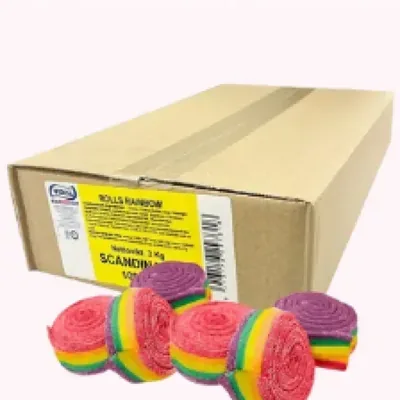
Rainbow Rolls in a 6.6 lb case, the layered roll format
Blue Raspberry Licorice Slices, the slice format
Lonka Soft Bites Strawberry Bon Bon from Lonka, a genuinely soft chew for the shopper who buys texture
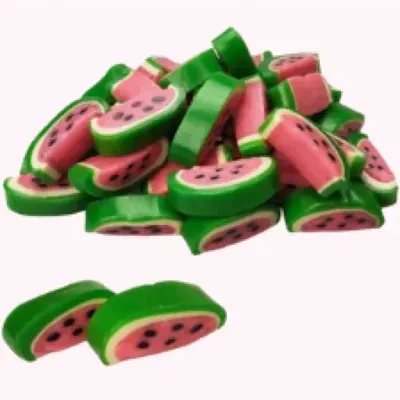
Watermelon Licorice Slices, the same slice format in watermelon

Frequently asked questions
What is the difference between Australian and Nordic licorice?+
Australian licorice is soft, sweet and mild, with molasses leading and licorice sitting behind it. Nordic licorice is firmer, less sweet, and puts licorice root forward, and much of it contains salmiak (ammonium chloride) for a salty, sharp finish. The textures are as different as the flavors.
Is Australian licorice real licorice?+
The classic black Australian style does contain licorice root extract, so yes. The fruit versions, strawberry and raspberry ropes in the same soft texture, generally contain no licorice root and are licorice only in shape and chew.
Why is Nordic licorice salty?+
Because of salmiak, which is ammonium chloride. It is added deliberately for a salty, sharp, faintly numbing note. It is a long-standing Nordic taste, not a manufacturing accident, and Finland and Denmark push it hardest.
Which licorice is better for beginners?+
Australian soft licorice, or a Nordic filled licorice with a sweet cream center. Both deliver licorice flavor without salmiak. Save the salty styles until you already know you like the base flavor.
Is Australian licorice softer than Nordic licorice?+
Yes, noticeably. Higher flour and moisture content give it a yielding, almost bread-like chew, while Nordic licorice is worked firmer so the flavor releases slowly over a longer chew.
Do you sell Australian licorice?+
Not currently. We import Swedish and European candy, and neither Australian licorice nor a Nordic salmiak line is in the range today. We do carry the licorice roll and slice formats in fruit flavors, and we will tell you plainly if we cannot source something you ask for.

Gustav Lindqvist · Candy Master
Gustav grew up in Sweden on a strict Saturday-candy schedule, mixing his lördagsgodis bag at the lösgodis wall before he could spell salmiak. He has spent years tasting his way across Scandinavian candy, and now curates the range at TheSweetsTruck, from BUBS sour skulls to the saltiest licorice most people cannot finish.
Last updated 8/23/2026