Swedish Chocolate Brands: Who Makes What, Bar by Bar
A brand-by-brand guide to Swedish chocolate makers: Marabou, Cloetta, Daim, Kexchoklad, Plopp and the craft end, plus what each one is known for.
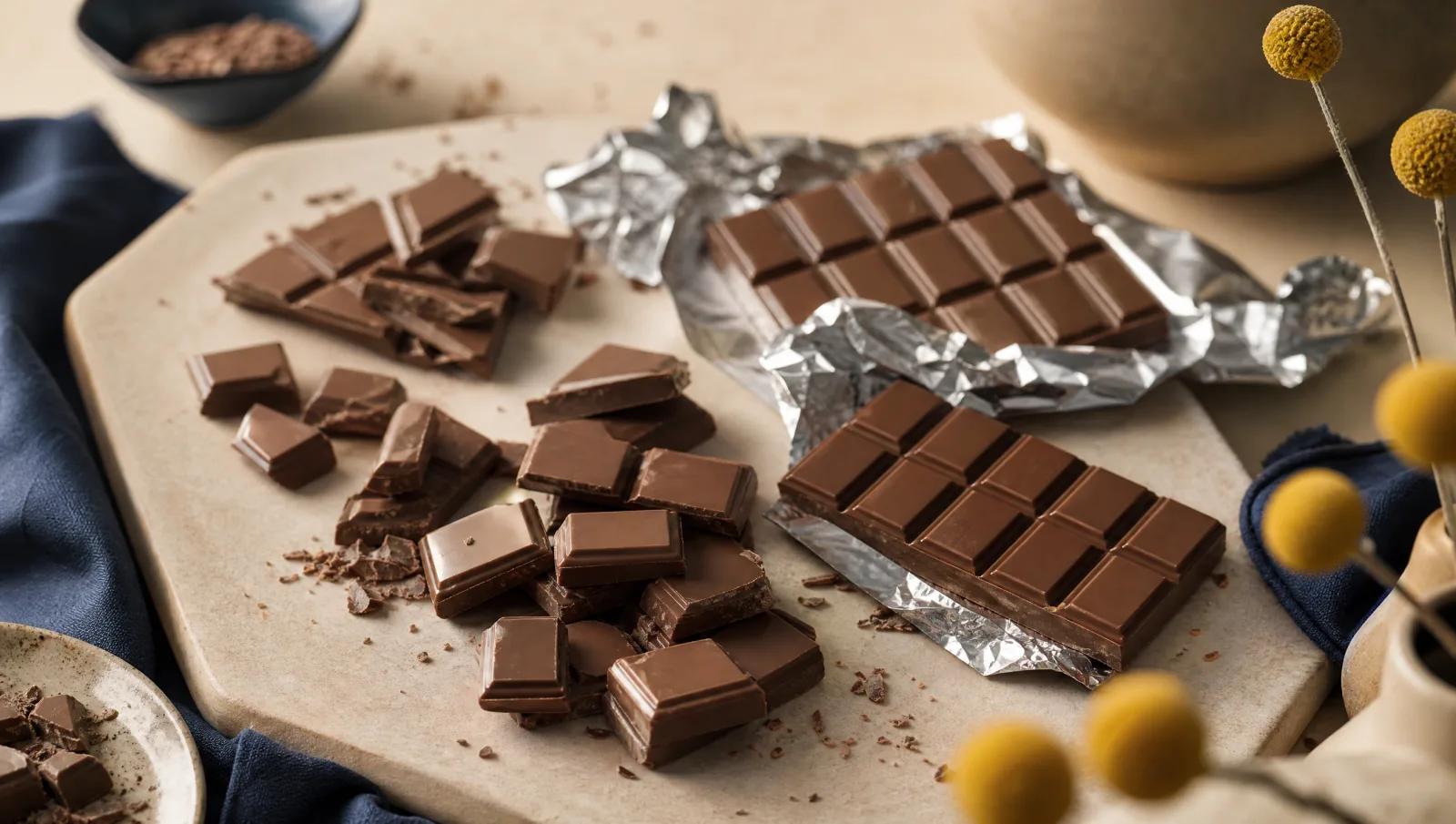
Two houses dominate Swedish chocolate. Marabou, founded in Sundbyberg in 1916 and now owned by Mondelez, holds the milk chocolate block, Japp and Daim. Cloetta, founded in 1862 and still an independent Swedish company, holds Kexchoklad, Plopp, Center and Polly. Everything else is craft scale. If you want the wider story of how Swedish chocolate tastes and why, start with our [Swedish chocolate](/journal/swedish-chocolate) overview. This page is the brand-by-brand version: who owns what, and which bar each name is actually known for.
The map, at a glance
Brand: Owner today: Signature products: Deeper dive
Marabou: Mondelez International: Mjolkchoklad block, Schweizernot, Japp, Non Stop: Marabou
Daim: Mondelez, sold under Marabou in Sweden: Almond caramel in milk chocolate: Daim
Cloetta: Cloetta AB, Swedish listed: Kexchoklad, Plopp, Center, Polly: Kexchoklad
Fazer: Fazer, Finnish: Fazer Blue milk chocolate: Fazer
Marabou
Marabou is the default. If a Swedish household has chocolate in the cupboard, it is almost certainly a Marabou Mjolkchoklad block, and the 200 g slab in the yellow wrapper does the same cultural job that a Hershey's bar does in the US.
The company was founded in Sundbyberg, outside Stockholm, in 1916, by the Norwegian family behind Freia, which is why the two brands have always felt like siblings. It sits inside Mondelez International today.
Beyond the plain milk block, the range worth knowing is:
Schweizernot, the milk block studded with whole hazelnuts, which is the second most reflexive purchase in the category.
Japp, a caramel and nougat filled bar, sold as a countertop single.
Non Stop, sugar-shelled chocolate lentils in a tube, the Swedish answer to a bag of M&Ms.
Aladdin, the boxed praline assortment that appears in December and starts arguments about which shape is worth taking.
The house style is soft, sweet and heavy on milk. Whether you prefer it to American milk chocolate is a matter of taste, though the tangy note in Hershey's is the difference most people notice first. We compared the two traditions properly in Swedish candy vs American candy.
Daim
Daim is an almond caramel core in milk chocolate, invented in Sweden in the 1950s and now the most exported Swedish chocolate product there is, partly because IKEA put it in front of the whole world. British readers will know it as Dime, the name it carried in the UK for years. It sits under the Mondelez umbrella alongside Marabou. Our Daim bar piece covers the texture and the history.
Cloetta
Cloetta is the older company. It was founded in 1862 by three Swedish brothers, moved its operations to Sweden a decade later, and built its main factory at Ljungsbro, which is still the spiritual home of the brand.
Cloetta's chocolate names are the ones Swedes get sentimental about:
Kexchoklad, a chocolate covered wafer bar from 1938, and the single most Swedish item on this list. It is sold in multipacks and eaten with coffee, in the car, at hockey, everywhere.
Plopp, from 1949, a small milk chocolate bar with a soft caramel centre. The name is onomatopoeia and nobody in Sweden finds it funny any more.
Center, a chocolate bar with a soft filling, the sort of item that survives on habit rather than marketing.
Polly, chocolate coated foam, which is really a candy in a chocolate coat and one of the clearest bridges between the two aisles.
Sportlunch, a wafer bar with a coarser, more caramelised character than Kexchoklad.
Cloetta also owns a large share of the Swedish candy shelf, which is why the name turns up constantly on the godis side: Malaco, Lakerol and Ahlgrens Bilar all sit in the same group. See Malaco classics and Ahlgrens Bilar for those.
Fazer, and the Nordic neighbours
Fazer gets included in Swedish chocolate lists constantly, and it is Finnish. The company was founded in Helsinki in 1891, and Fazer Blue is its milk chocolate flagship. It is sold widely in Sweden and eaten without anyone thinking twice about the border, but if you are writing shelf tags, label it Finnish. More in our Fazer guide.
The same applies in the other directions. Freia is Norwegian and shares family history with Marabou. Anthon Berg and Toms are Danish. If you are building a Nordic set and want the regional differences straight, Nordic candy comparison lays them out.
The craft end
Below the two big houses, Sweden has a small bean-to-bar and confectionery scene rather than a large one. Malmo Chokladfabrik has been making chocolate in Malmo since the late nineteenth century and still runs at boutique scale. Parlans Konfektyr in Stockholm works in caramels rather than bars. Akesson's, founded by a Swede, makes single-origin bars from its own cacao plantations.
These are worth knowing if you visit Sweden. They are mostly not worth planning a US wholesale programme around, because the volumes and the export logistics are not built for it.
What this means if you are stocking a Swedish set
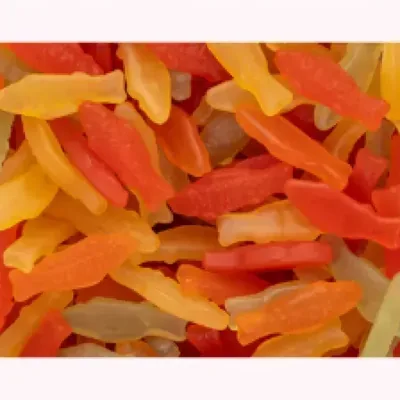
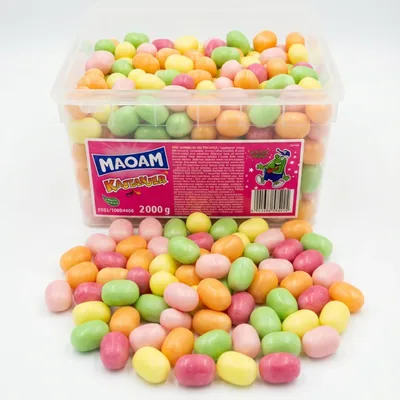
Our own catalogue is godis, not chocolate: gummy, foam, sour, chews and layered fruit slices. We do not import Marabou, Cloetta or Daim, and we would rather say so plainly than imply otherwise.
In practice most US retailers source a Swedish chocolate shelf from a general European grocery distributor, then build the candy wall separately, because the candy is where the margin, the theatre and the repeat visits live. How to stock Swedish candy covers that side, and how to run pick and mix covers the wall itself.
What we carry alongside a Swedish chocolate shelf

Frequently asked questions
What is the most popular chocolate brand in Sweden?+
Marabou, comfortably. The plain Mjolkchoklad milk block is the reflex purchase in Swedish supermarkets, and the brand also covers Schweizernot, Japp and Non Stop. Cloetta is the strong second, with Kexchoklad and Plopp as its best known bars.
Is Daim Swedish?+
Yes. Daim was created in Sweden in the 1950s and is an almond caramel centre coated in milk chocolate. It is owned by Mondelez today and sold under the Marabou name in Sweden. It was marketed as Dime in the United Kingdom for many years.
Who owns Marabou?+
Mondelez International. Marabou was founded in Sundbyberg in 1916 by the Norwegian family behind Freia, remained a Swedish institution through the twentieth century, and passed into the Kraft and later Mondelez group.
Is Fazer a Swedish chocolate brand?+
No, Fazer is Finnish, founded in Helsinki in 1891. It is sold everywhere in Sweden, so it is frequently mislabelled as Swedish. Fazer Blue is its milk chocolate flagship.
What is Kexchoklad?+
A chocolate covered wafer bar made by Cloetta since 1938, and the most distinctly Swedish item in the chocolate aisle. It is sold in multipacks rather than as a single countertop bar, and it is eaten with coffee more than as a snack.
Does TheSweetsTruck sell Swedish chocolate wholesale?+
No. We import Swedish and European candy, meaning gummy, foam, sour, chews and fruit slices, not chocolate bars. If you are building a Swedish section, we can supply the candy half of it by the case from California.

Gustav Lindqvist · Candy Master
Gustav grew up in Sweden on a strict Saturday-candy schedule, mixing his lördagsgodis bag at the lösgodis wall before he could spell salmiak. He has spent years tasting his way across Scandinavian candy, and now curates the range at TheSweetsTruck, from BUBS sour skulls to the saltiest licorice most people cannot finish.
Last updated 8/23/2026