Easter Candy for Retailers: A Moving Date and a Three-Week Window
How to buy Easter candy when the date moves every year: dating the season backwards, pastel assortments, the short selling window, and avoiding the post-Easter markdown.
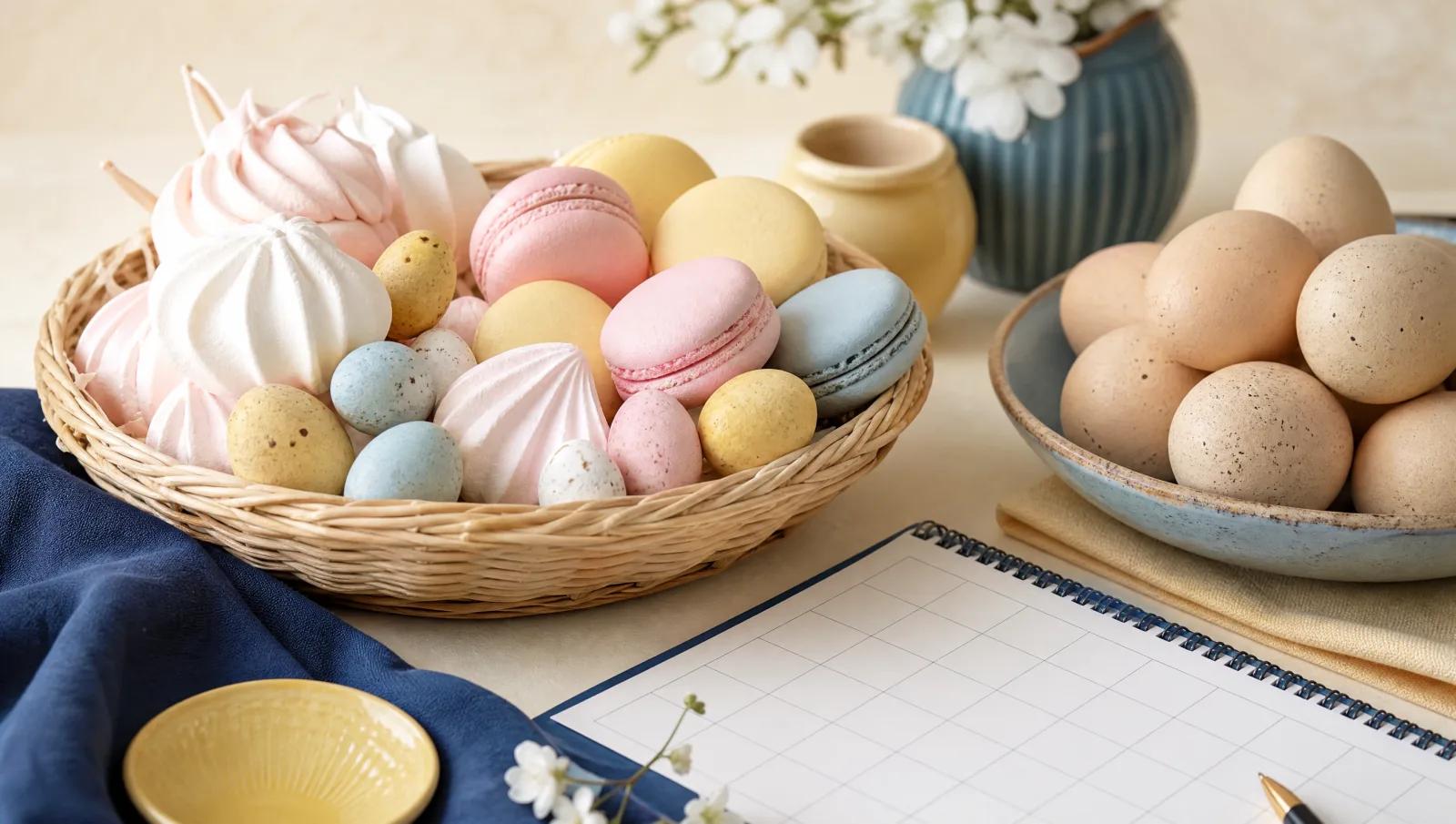
Easter moves between March 22 and April 25, so date the season backwards from the Sunday rather than reusing last year's calendar. Real volume runs about three weeks, and roughly half of it lands in the final week. Buy pastel loose candy rather than Easter packaging, and the markdown risk mostly disappears. Easter is the awkward one. Christmas is on the same day every year and Halloween never moves, so both can be planned once and repeated. Easter has to be recalculated annually, and getting it wrong by two weeks costs you either a fortnight of empty shelf or a fortnight of stock arriving late.
The date moves, and it moves a lot
Easter Sunday is the first Sunday after the first ecclesiastical full moon on or after March 21. In practice that puts it anywhere from March 22 to April 25, a spread of five weeks.
Year: Easter Sunday: Practical effect on the buy
2027: March 28: Early. Compresses hard against Valentine's clearance
2028: April 16: Late. Comfortable gap, runs into spring events
2029: April 1: Early. Order in January
2030: April 21: Very late. Long empty stretch in March to fill
2031: April 13: Mid. The easiest shape to plan
2032: March 28: Early again
The two failure modes are different and both are avoidable.
An early Easter (late March) collides with the Valentine's clear-out. You are pulling pink and red off the floor and putting pastel on it in the same week, and your Easter stock has to be landed while you are still selling Valentine's. Order in January.
A late Easter (mid to late April) leaves a hole. March has no holiday in it, your Valentine's set is gone, and a shop that flips to Easter on March 1 for an April 21 Sunday spends seven weeks looking like it is waiting for something. Fill March with a spring reset instead, then flip to Easter about three weeks out.
Dating the season backwards
Take the Sunday and count back. This is the whole planning method.
Milestone: Timing
Main order placed: 8 to 10 weeks before Easter Sunday
Stock landed and floor flipped: 3 weeks before
First real volume: 2 weeks before
Top-up order placed: 10 to 12 days before
Peak week: The 7 days before Easter Sunday
Season over: Easter Monday
The top-up milestone is the one worth protecting. Ten to twelve days out you know which pastel bins are moving, and a UPS Ground order from our Santa Fe Springs warehouse is on your shelf in about two business days. Canadian buyers should add a few days, since Canada ships DDP with duties paid at checkout and typically runs three to five days.
The wider quarter-by-quarter version of this sits in the Swedish candy buying calendar, and the operational full-year view is in seasonal candy planning.
The window really is that short
Easter has roughly three weeks of trading, against six or seven for Christmas, and it is more lopsided than any other peak. The final week before Easter Sunday does the heavy lifting, because Easter shopping is basket shopping and baskets get assembled at the last minute.
That has two operational consequences.
Do not run the shelf down early. A bin that looks picked-over on Palm Sunday is losing you the best week of the season. Under-fill and refill daily rather than letting bins drain.
Do not chase a slow start. The first ten days of an Easter set always look disappointing. Discounting in week one is throwing away margin you would have collected in week three.
What the assortment should be
Easter is a colour season more than a flavour season. The pieces themselves barely matter. The palette does.
Pastels are the whole brief. Pale pink, yellow, green, blue and cream. If you build the set from loose candy chosen on colour, you get an Easter display without buying a single printed egg.
Soft textures over hard. Foam (skum), soft bon bons and light gummies read as spring. Heavy dark licorice and neon sours do not, though a small sour bin is worth keeping for the teenage shopper who has no interest in pastel anything.
Small pieces beat large. Easter buying is basket-filling and egg-filling. A basket needs to look full, and small pieces fill volume for less weight. Large XL gummies work against you here.
Novelty shapes carry the theme. Foam mushrooms, ice cream cones, fish and flower shapes all read as spring without being Easter-specific, which is exactly the point.
The Swedish angle worth stealing
Swedish Easter runs on a format that solves the markdown problem outright. Children dress as påskkärringar, Easter witches, and go door to door around Maundy Thursday. The candy comes in a påskägg, a decorated cardboard egg that is sold empty and filled from the pick-and-mix wall.
For a bulk retailer that is close to ideal. You buy empty eggs as packaging, which is cheap and does not spoil, and you sell the contents by weight from bins you were going to stock anyway. The seasonal spike converts into loose-candy volume with no seasonal SKU behind it. The full tradition is in Swedish candy at Easter, and the mechanics of running the wall are in the pick and mix guide and the lösgodis bag.
Even if you never mention Sweden on the sign, "fill your own egg, priced by weight" is a better Easter offer than a shelf of pre-filled plastic.
Post-Easter markdown risk, and how to not have any
Easter has the worst markdown reputation of any candy season, and it is deserved for one reason: most Easter candy is Easter-shaped. A foil bunny is worth nothing on Easter Monday. That is not true of a bin of pale pink foam.
Three rules:
Buy pastel, not Easter. Colour survives the season. Packaging does not.
Know where the leftovers go. Pastel candy has a second season. Spring showers, weddings and graduation run from April through June and use exactly the same palette, so a pastel case that outlives Easter is not dead stock, it is early event stock. That link is covered in wedding and event candy bars.
Cap the seasonal-packaging line of the buy. Whatever fraction you decide on, decide it deliberately and write it down before you place the order, because it is the only part of the buy that has a hard expiry date attached to it.
If a bin does stall on Easter Monday, bag it rather than discount it. Scoop it into a mixed spring bag with two movers and price the bag. The reasoning is in candy profit margins.
Cases that do Easter work
Tier 1 list prices below, current at the time of writing. The product page is always the authority.
Case: Case size: Tier 1 price: Role in the set: Dietary flags we publish
Pastel Fish: see product page: $45: The pastel anchor, small pieces, fills a basket: None on file
Bulgari Marshmallow Ice Cream Cones: 1.98 lb: $17: Novelty foam shape, pale, very light per piece: None on file
Franssons Foam Strawberries: 2.65 lb: $17: Soft pink and white, classic spring texture: None on file
Strawberry Dreams: 2.2 lb: $20: Small case, low risk, pale palette: None on file
Bulgari Fruits: 2.2 lb: $20: Mixed fruit colour for the basket layer: None on file
None of those five carry dietary flags in our supplier data, so we publish no claim on any of them. No vegan sign, no gelatin-free sign, nothing. If you want a bin in the Easter set you can label confidently, use the Matthijs line, which is flagged gluten-free, halal, vegan and vegetarian, or a BUBS case flagged gelatin-free and vegan.
A pastel Easter set in four cases



Sizing the buy
Easter is smaller than Christmas for almost every candy retailer, and buying it as though it were the same size is the second most common mistake after the date. If Christmas is your benchmark, plan Easter at a fraction of it and let the top-up order cover you if you are wrong. That is only possible because there is no order minimum, so you can order by the case, mix and match, and go back for more twelve days out.
The deeper assortment argument, including which shapes to stock and how to build the basket layer, is in bulk Easter candy: a retailer's buying guide.
Ordering
Order by the case, mix and match across brands, with no order minimum. Place the main buy 8 to 10 weeks before Easter Sunday and keep budget back for a top-up at 10 to 12 days out.
We ship from Santa Fe Springs, California, by UPS Ground or UPS Express, about two business days across the US. Canada ships DDP with duties paid at checkout, typically three to five days. Orders of $2,000 or more can go by pallet, arranged by email. Tier 1 pricing is public, wholesale accounts approve automatically when you apply, and NET payment terms are offered to selected partners based on order history.
Frequently asked questions
When should retailers order Easter candy?+
Eight to ten weeks before Easter Sunday for the main buy, with a top-up placed ten to twelve days out once you can see which bins are moving. Because Easter moves, recalculate from the actual date each year rather than reusing last year's dates.
Why does the Easter date change every year?+
Easter Sunday is the first Sunday after the first ecclesiastical full moon on or after March 21, which places it between March 22 and April 25. That five-week spread is why Easter buying has to be dated backwards from the Sunday.
How long does the Easter candy selling window last?+
About three weeks of meaningful trade, with roughly half the volume in the final week before Easter Sunday. It is shorter and far more lopsided than Christmas, so keeping shelves full through the last week matters more than a strong start.
How do I avoid marking down Easter candy?+
Buy pastel loose candy rather than Easter-shaped packaging. Colour carries over into the spring shower, wedding and graduation season from April to June, so unsold pastel becomes event stock instead of a markdown.
What colours should an Easter candy display use?+
Pale pink, yellow, green, blue and cream, with soft textures like foam and light gummies. Keep one small sour bin for shoppers who want nothing to do with pastel, and skip heavy dark licorice for the season.
Is there a minimum order?+
No. Order by the case, mix and match, with no order minimum, which is what makes the small main buy plus late top-up approach workable.

Gustav Lindqvist · Candy Master
Gustav grew up in Sweden on a strict Saturday-candy schedule, mixing his lördagsgodis bag at the lösgodis wall before he could spell salmiak. He has spent years tasting his way across Scandinavian candy, and now curates the range at TheSweetsTruck, from BUBS sour skulls to the saltiest licorice most people cannot finish.
Last updated 8/23/2026